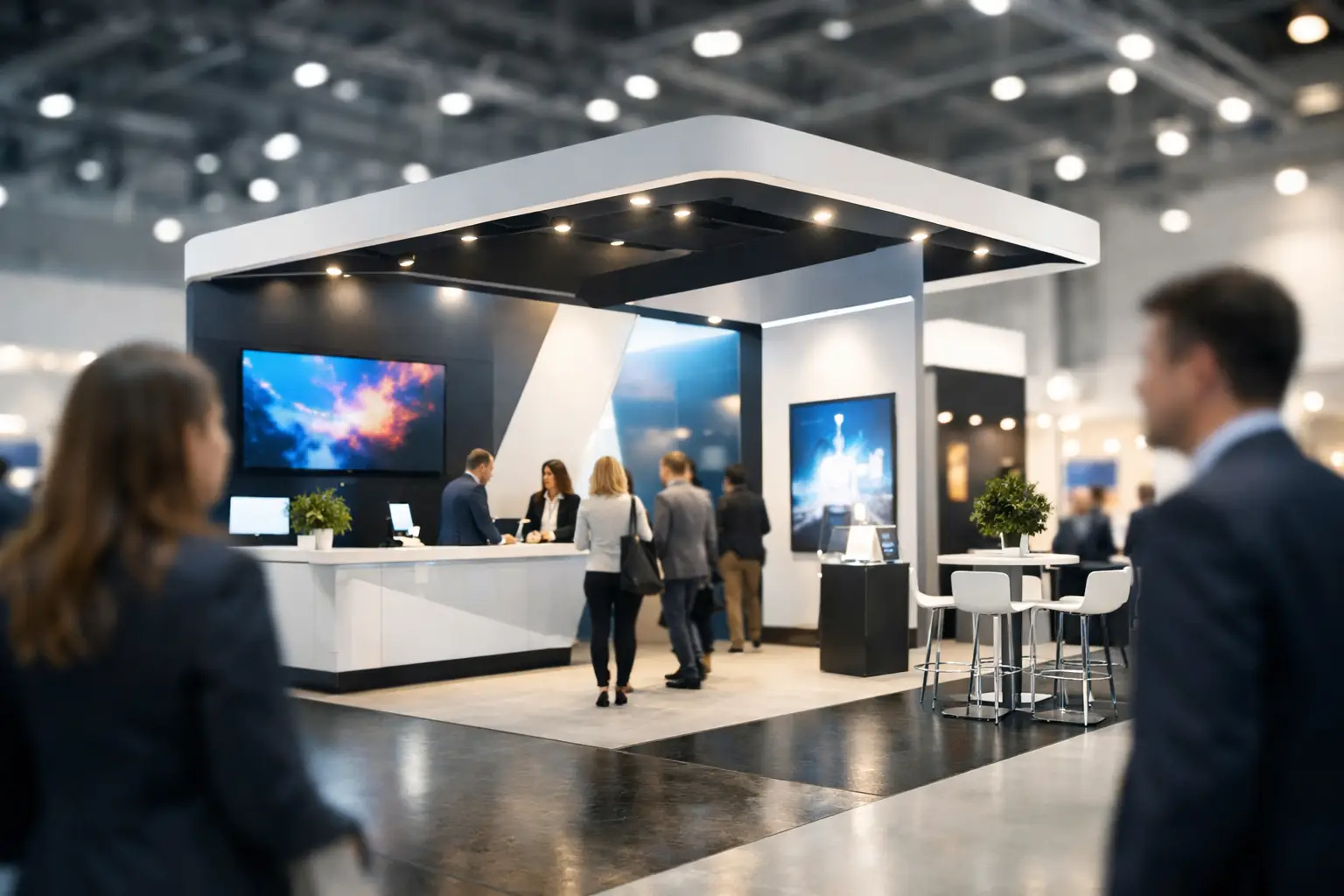
A crowded expo hall gives you about three seconds to answer one question: why should anyone stop here? That is what good trade show display design solves. It helps your booth get noticed fast, explain what you do clearly, and make your business look credible before your team says a word.
For small to mid-sized businesses, that matters more than most people realize. Trade shows are expensive. You are paying for floor space, travel, staffing, printed materials, shipping, and time away from daily operations. If your display looks generic, cluttered, or disconnected from the rest of your brand, you are making that investment work harder than it should.
What strong trade show display design actually does
A display is not just a backdrop. It is a sales tool. The best designs pull people in, set expectations, and support conversations without forcing your team to overexplain everything.
When a booth works, visitors can quickly understand three things: who you are, what you offer, and why they should care. That may sound simple, but many displays miss at least one of those points. Some look attractive but say very little. Others are packed with text, logos, and product photos that compete for attention instead of guiding it.
Strong design balances visibility with clarity. It gives your brand a polished presence while helping attendees scan the message in seconds. That is especially important in busy halls where every booth is fighting for the same attention.
Start with the goal, not the graphics
Before colors, banners, or booth accessories enter the conversation, define what the display needs to do. A company trying to book demos needs a different setup than one launching a new product. A local service provider attending a regional event may need to build trust quickly, while a national B2B firm may focus on lead quality over booth traffic.
That is where many projects get off track. Businesses jump into visuals before they decide what success looks like. Then they end up with a display that looks decent but does not support the event strategy.
A practical trade show display design process starts with a few direct questions. Are you trying to generate leads, schedule follow-up meetings, sell products on-site, or reinforce brand awareness? Who are you trying to attract? What is the single message they need to remember after they walk away?
Once those answers are clear, design decisions become easier. The booth can be built around outcomes instead of guesswork.
The most effective message is usually the simplest
Trade show attendees do not read displays the way they read brochures or websites. They glance, decide, and move on. That means your headline has to work hard.
Most booths benefit from one clear primary message, not five competing statements. If your display tries to explain every service, every feature, and every industry you serve, your audience will likely absorb none of it. Clear beats comprehensive in a trade show environment.
The strongest booth messaging usually includes a concise headline, a supporting line that adds context, and visual elements that reinforce the offer. Think less like a catalog and more like a billboard. You can fill in the details during the conversation.
This does not mean every company needs a stripped-down design. Some businesses have more complex offerings and need a bit more explanation. But even then, the hierarchy matters. Your biggest message should be obvious from a distance. Secondary details should support it, not compete with it.
Brand consistency matters more than people think
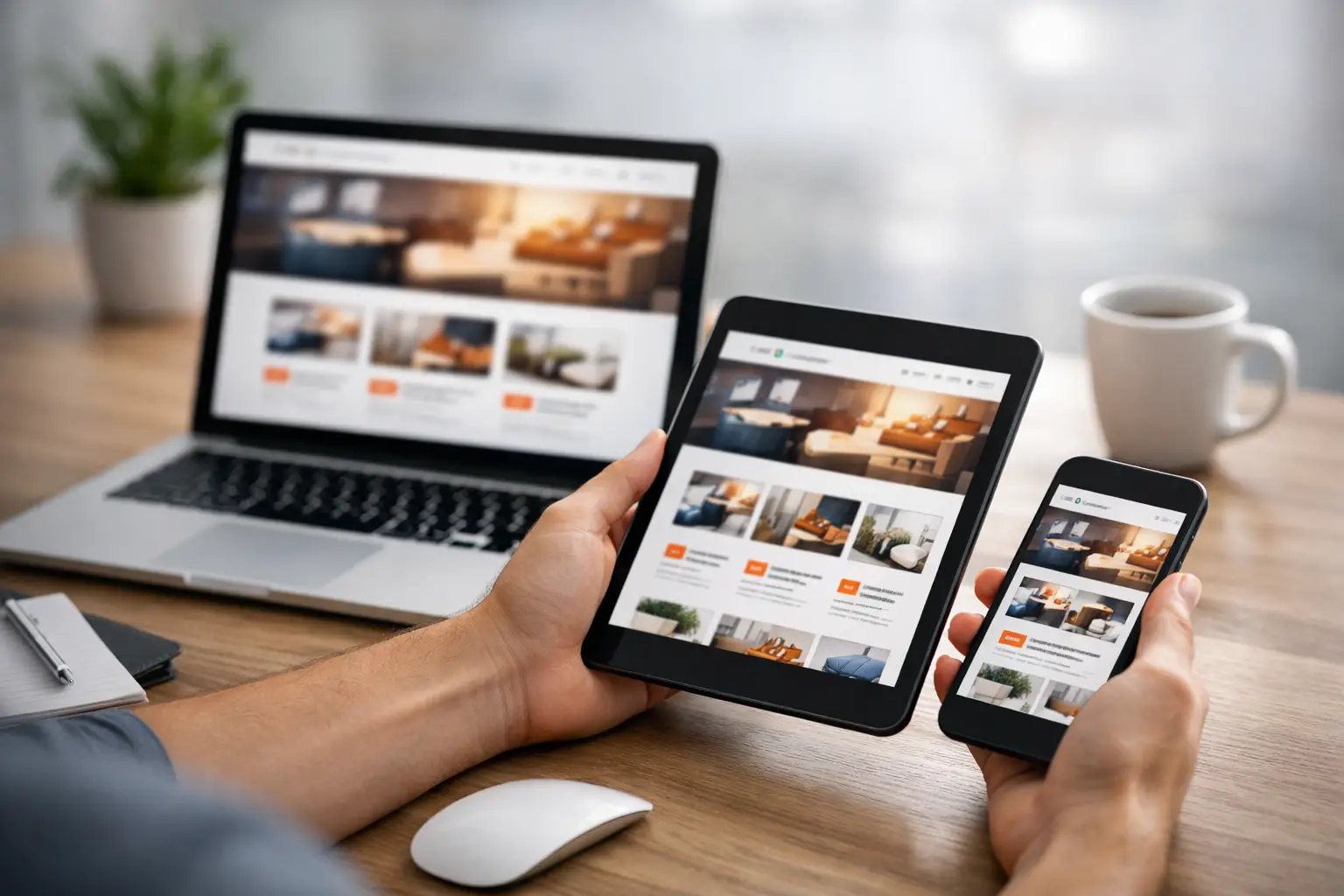
One of the fastest ways to lose credibility at an event is to show up with a booth that feels disconnected from the rest of your marketing. If your website looks modern but your display looks dated, or your printed materials use different colors and messaging than your signage, people notice. They may not mention it directly, but it affects trust.
That is why trade show display design should not happen in isolation. Your booth should reflect the same brand identity people see on your website, business cards, brochures, sell sheets, and promotional materials. Consistency makes your business look established and organized. It also makes you easier to remember after the event.
For businesses managing multiple vendors, this is where problems often show up. One provider handles banners, another prints brochures, someone else built the website, and nobody is aligning the visual system. The result is a patchwork brand presence that creates extra work and more chances for mistakes.
A coordinated approach saves time and usually produces a stronger final result.
Layout matters just as much as artwork
A beautiful display can still fail if the booth itself is difficult to navigate. Design is not only about what appears on the panels. It is also about how people move through the space and where attention naturally lands.
If the front of the booth is blocked with tables or product clutter, people may hesitate to step in. If key messaging is placed too low or too high, it gets missed. If every panel is equally loud, nothing stands out. Good layout creates a visual path. It gives the eye a place to start and supports a natural conversation flow.
This is one of those areas where it depends on booth size and event type. A compact 10×10 space needs disciplined messaging and clean use of vertical space. A larger booth may allow for zones such as product displays, meeting space, and interactive elements. But in both cases, the principle is the same: keep the design intentional and easy to process.
Materials, scale, and portability are part of the design
A display may look great in a mockup and become a headache in real life. That is why practical execution matters. Portability, setup time, durability, and print quality all affect whether your booth delivers value over multiple events.
For some businesses, a lightweight modular system makes the most sense because it is easier to ship and reuse. For others, a more custom build is worth the investment because they attend high-stakes shows where presentation carries more weight. Neither option is automatically better. The right choice depends on budget, event frequency, storage, and who will be setting everything up.
The same goes for accessories. Monitor stands, counters, flooring, literature racks, and branded table covers can improve the booth, but only if they support the experience instead of making the space feel crowded. More pieces do not always mean more impact.
Common trade show display design mistakes
Most weak booths do not fail because of one huge problem. They fail because of several small decisions that add up.
Too much text is one of the biggest issues. Another is relying on low-resolution images or printing graphics that looked fine on a laptop but not at full size. Weak contrast can also hurt readability, especially under trade show lighting. So can vague messaging that sounds polished but does not actually say anything useful.
Then there is the operational side. Displays get approved too late, files are rushed to print, and nobody checks whether brochures, signage, and giveaways match. These issues cost money and create stress right before the event.
A better process includes enough time for design, proofing, production, and coordination across all supporting materials. That reduces headaches and improves consistency.
How to make your booth work harder
A trade show display should not stand alone. It should support the rest of your event marketing. If someone visits your booth, takes a handout, scans a QR code, or looks you up later, the experience should feel connected.
That means your follow-up materials should echo the same message and visual identity. Your landing page should look like the booth. Your business cards should feel like part of the same brand system. Even your branded apparel can help reinforce professionalism when it is designed with the same standards in mind.
This is where having one partner manage design, print, and related assets can make life much easier. Instead of juggling separate vendors and hoping everything lines up, you get a more unified result with fewer production gaps. For companies that do not have an in-house marketing department, that kind of coordination can save real time and reduce avoidable mistakes.
At Echo Brand Geeks, that practical side of branding matters because businesses do not need more moving parts. They need materials that look professional, work together, and help produce better results.
A good display earns attention. A smart one supports sales.
The best booths are not always the biggest or most expensive. They are the ones that communicate clearly, look credible, and make it easy for the right people to engage. Good trade show display design is not about decorating a space. It is about giving your business a stronger chance to be remembered, trusted, and chosen.
If you are preparing for an event, treat your display like part of your sales process, not an afterthought. A cleaner message, stronger brand consistency, and better execution can change how people respond before the conversation even starts. That is a small shift that can make the whole event more profitable.