
A busy trade show floor can make every booth look the same: a tablecloth, a banner, a bowl of candy, and someone waiting for foot traffic. Event marketing changes that equation. It gives people a clear reason to stop, start a conversation, and remember your business after the room clears out.
For small and mid-sized businesses, an event is rarely just a branding exercise. It costs time, staff hours, travel, printed materials, display equipment, and often a booth fee. The goal is not simply to look polished. The goal is to create credibility, collect qualified leads, support sales conversations, and give prospects a consistent picture of who you are.
Event Marketing Starts Before the Event
The most effective event presence is planned well before setup day. A strong booth cannot rescue unclear messaging, rushed handouts, or a team that does not know what action they want visitors to take.
Start with one practical outcome. A local service business may want to book consultations. A lender may want to build referral relationships. A developer may want to demonstrate a new product. A B2B company may need meetings with decision-makers rather than a stack of unqualified badge scans.
That single outcome shapes the rest of your event marketing. It determines your call to action, the type of giveaway you choose, what goes on your signage, and the questions your staff should ask. Trying to accomplish everything at one event usually leads to vague messaging that accomplishes very little.
Build a Message People Can Understand Quickly
Most attendees will decide whether to engage in a few seconds. Your main display should answer three questions without requiring a long explanation: What do you do? Who do you help? Why should they care?
Avoid filling banners with every service, certification, and company detail. A display is not a brochure. Use a direct headline that names the benefit, then support it with a short explanation and a clear next step. For example, “Professional websites built to generate leads” is easier to absorb than a crowded list of web design features.
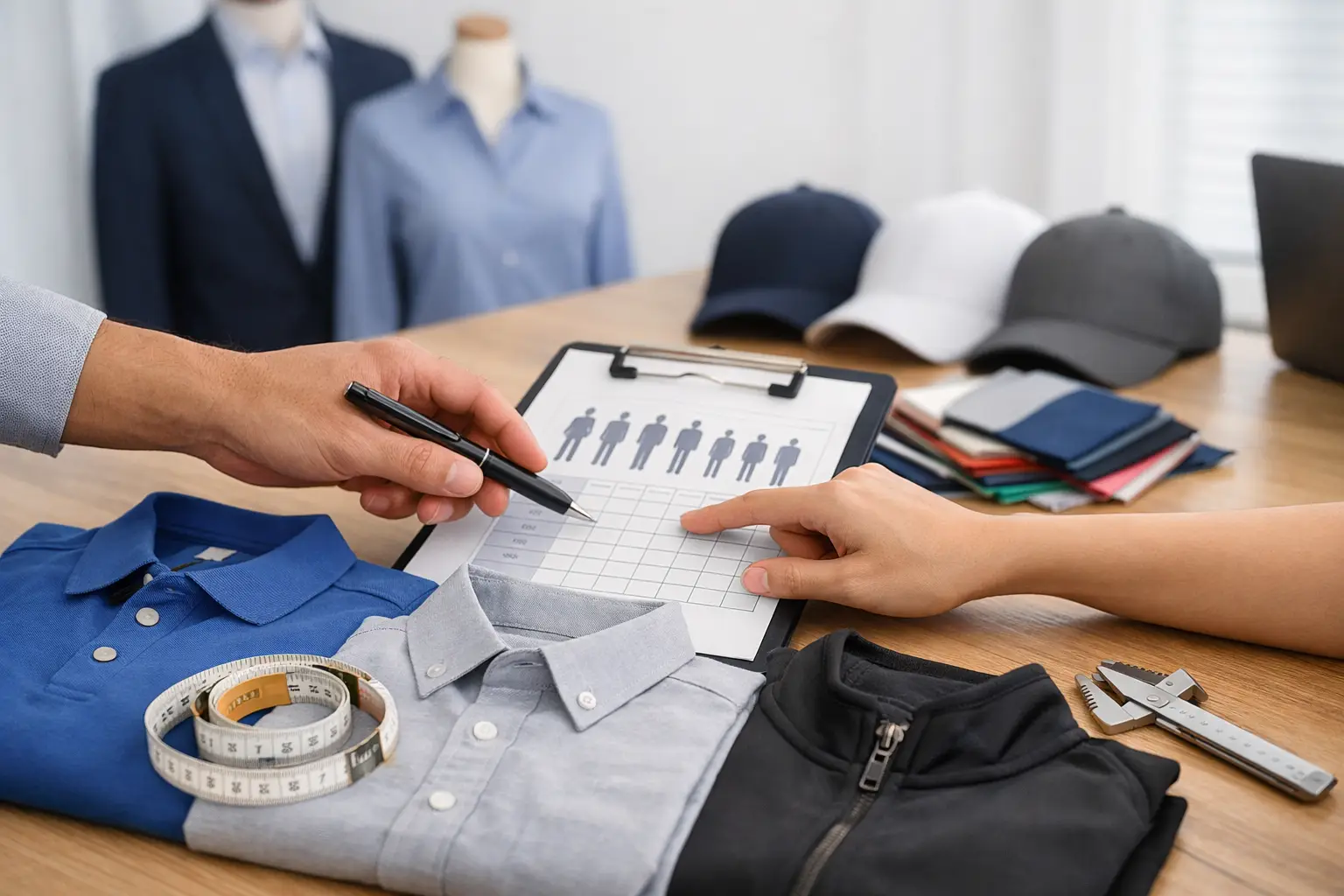
Your business cards, postcards, brochures, landing page, apparel, and promotional items should reinforce the same message. When each piece uses different colors, headlines, or promises, prospects have to work harder to understand the brand. Consistency makes your business look established and easier to trust.
Choose Materials That Do a Job
Event materials should earn their place in the booth. Before ordering anything, ask what role it plays in moving a visitor from interest to action.
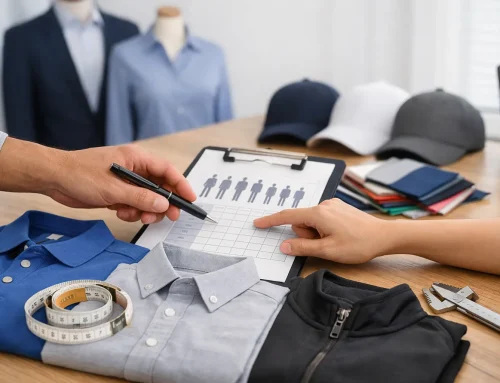
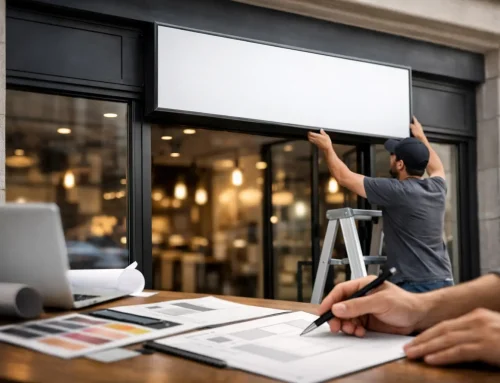
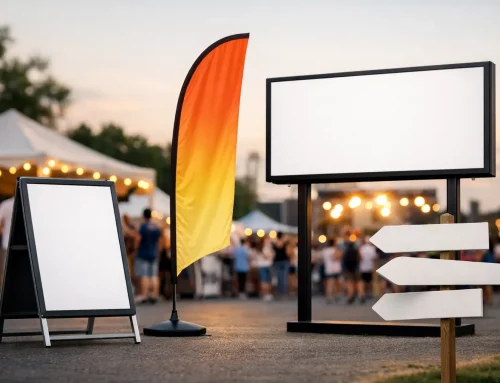
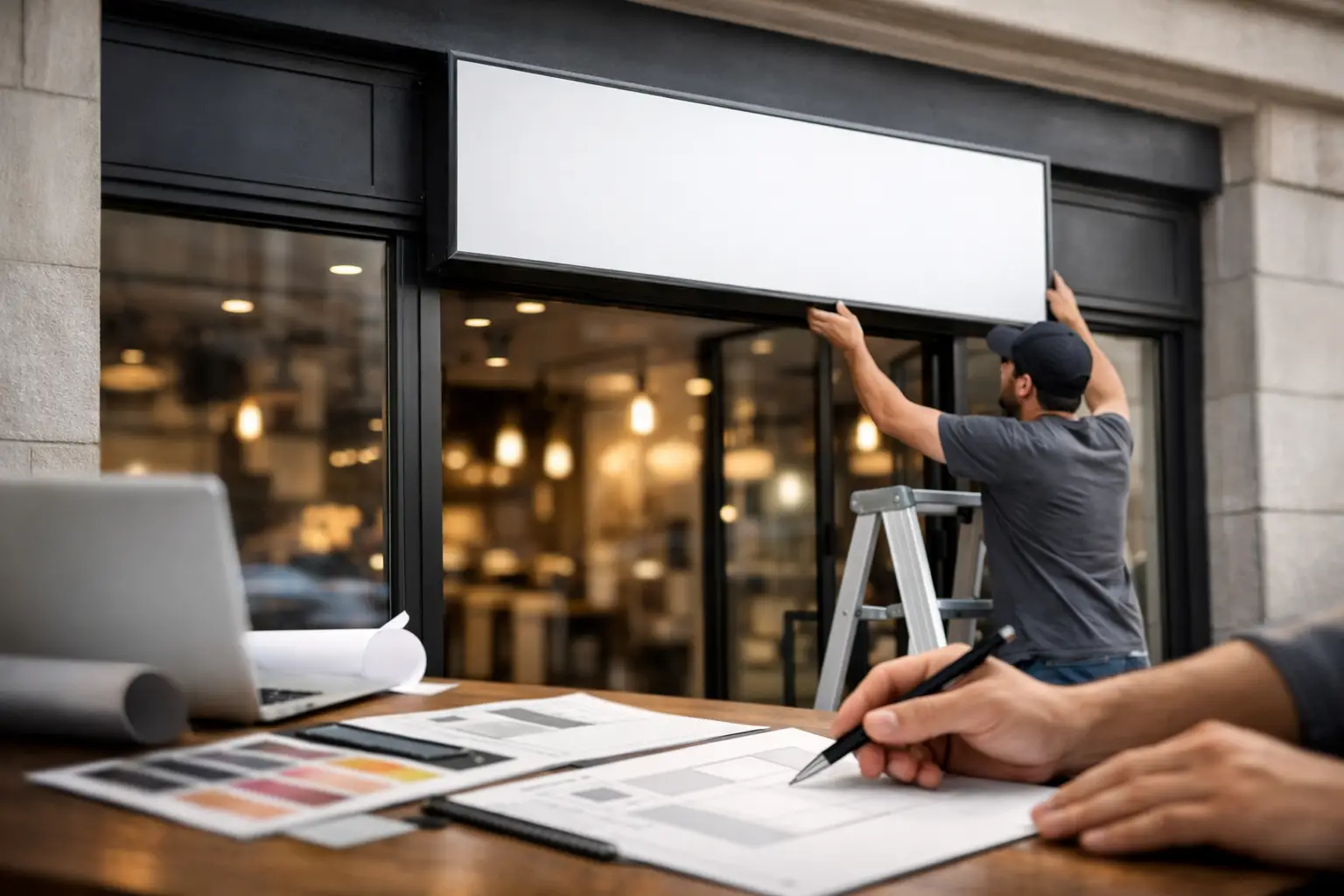
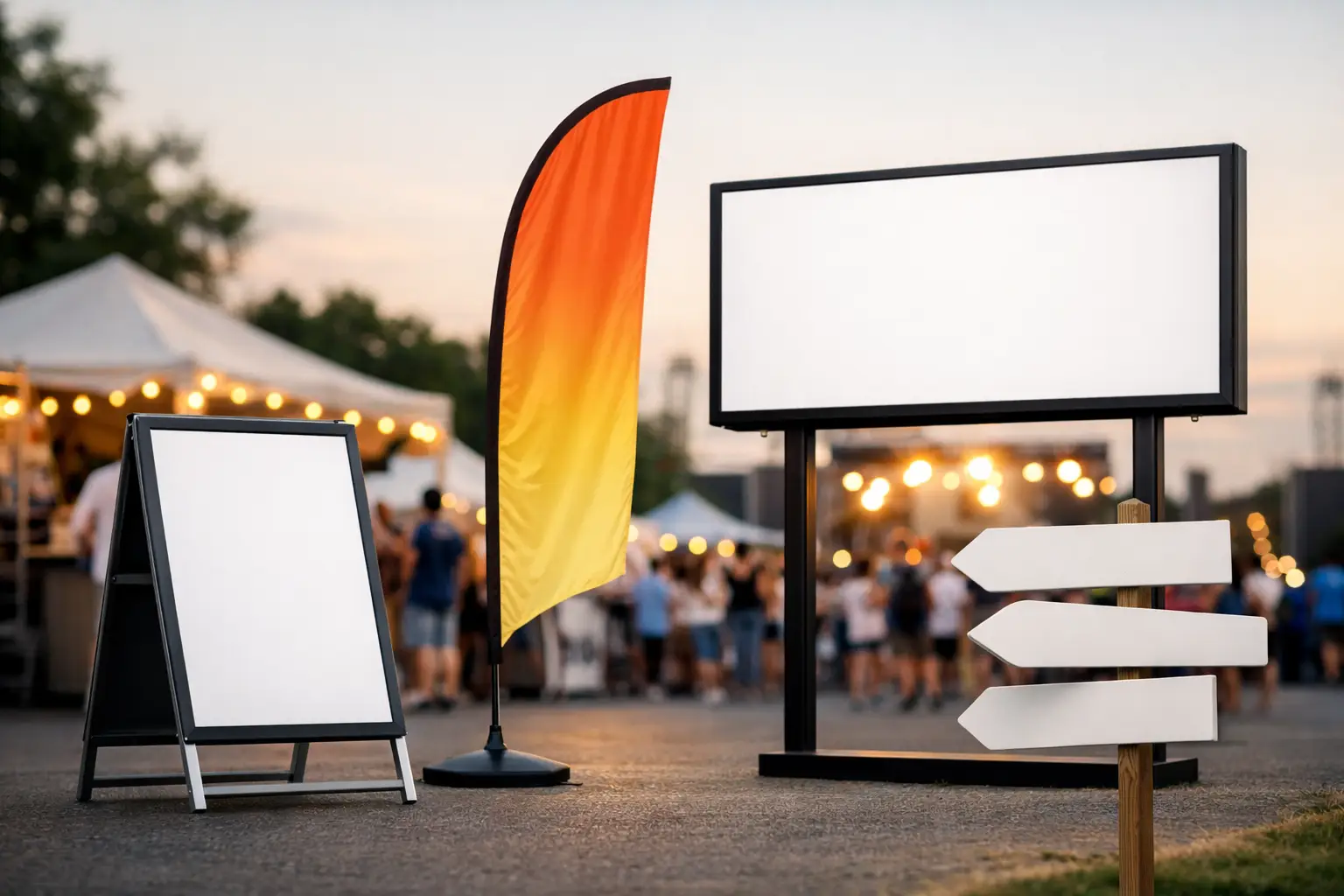
A large-format backdrop or retractable banner creates visibility from a distance. A branded tablecloth and coordinated apparel make the space feel intentional. Brochures provide details for people who want to compare options later. Business cards make one-to-one follow-up easy. A dedicated landing page can capture leads and track what happens after the event.
Promotional products can be useful, but only when they fit the audience and the goal. A useful, well-made item keeps your name in view longer than a throwaway giveaway. For a contractor, that may be a practical measuring tool. For an office-based B2B audience, it could be a quality notebook or desk accessory. The lowest-cost item is not always the best value if it is forgotten in a hotel room.
The trade-off is budget. A first-time exhibitor does not need the largest booth or a warehouse of merchandise. It is often smarter to invest in one clear display system, excellent printed collateral, and a focused follow-up plan. Those assets can serve multiple events, sales meetings, and community functions.
Create a Booth That Invites Conversation
Your booth layout should make it easy for people to enter, look around, and talk. Keep the front open. Place tall displays toward the back or sides so they do not create a wall between your team and attendees. Make sure your most important message is readable from several feet away.
Screens, samples, demonstrations, and before-and-after visuals can work well when they explain your value fast. They should support the conversation, not become a distraction. If visitors need a five-minute tutorial to understand what you offer, simplify the presentation.
Staff behavior matters just as much as design. Team members sitting behind a table, looking at phones, or talking only to one another signal that the booth is closed. A simple greeting and a relevant question work better than an aggressive pitch. Try asking, “What brought you to the event today?” or “Are you looking for help with that area right now?”
Give Your Team a Simple Lead Process
Collecting names is not the same as generating leads. A list without context creates a follow-up headache and makes it hard to prioritize the people most likely to buy.
Before the event, decide what information your team needs to record. That may include the visitor’s business, role, current challenge, timeline, preferred contact method, and the specific service they discussed. Keep the process simple enough to use during a busy conversation.
A clear lead process usually includes these five steps:
- Greet visitors with a natural opening question.
- Identify whether there is a real need, not just casual interest.
- Explain the most relevant benefit or solution.
- Capture contact details and a short conversation note.
- Set the next step before the visitor walks away.
That next step may be a scheduled call, a demonstration, a quote, or a follow-up email with a specific resource. “We’ll be in touch” is not a plan. A specific commitment gives both sides a reason to continue the conversation.
Make Follow-Up Part of the Event Plan
The money spent on an event is often wasted after the event, not during it. Leads cool quickly, especially when attendees meet several vendors offering similar services. Prompt, personal follow-up is where a professional event presence begins to turn into revenue.
Contact high-priority leads within one or two business days. Reference the conversation they had with your team, rather than sending a generic message that could have gone to anyone. If someone mentioned an upcoming project, acknowledge the project. If they requested a quote, make the next action clear.
Not every contact will be ready to buy. Separate immediate opportunities from longer-term prospects, referral partners, and general brand contacts. This prevents sales-ready leads from getting buried while still giving the rest of the list a useful, appropriate follow-up path.
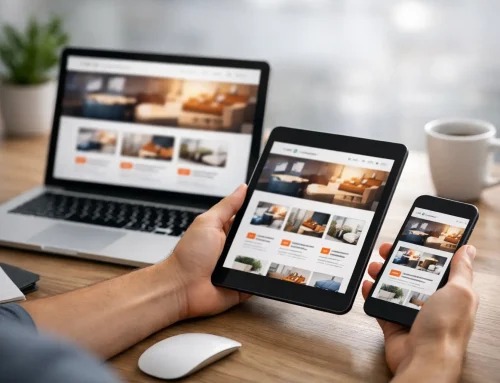
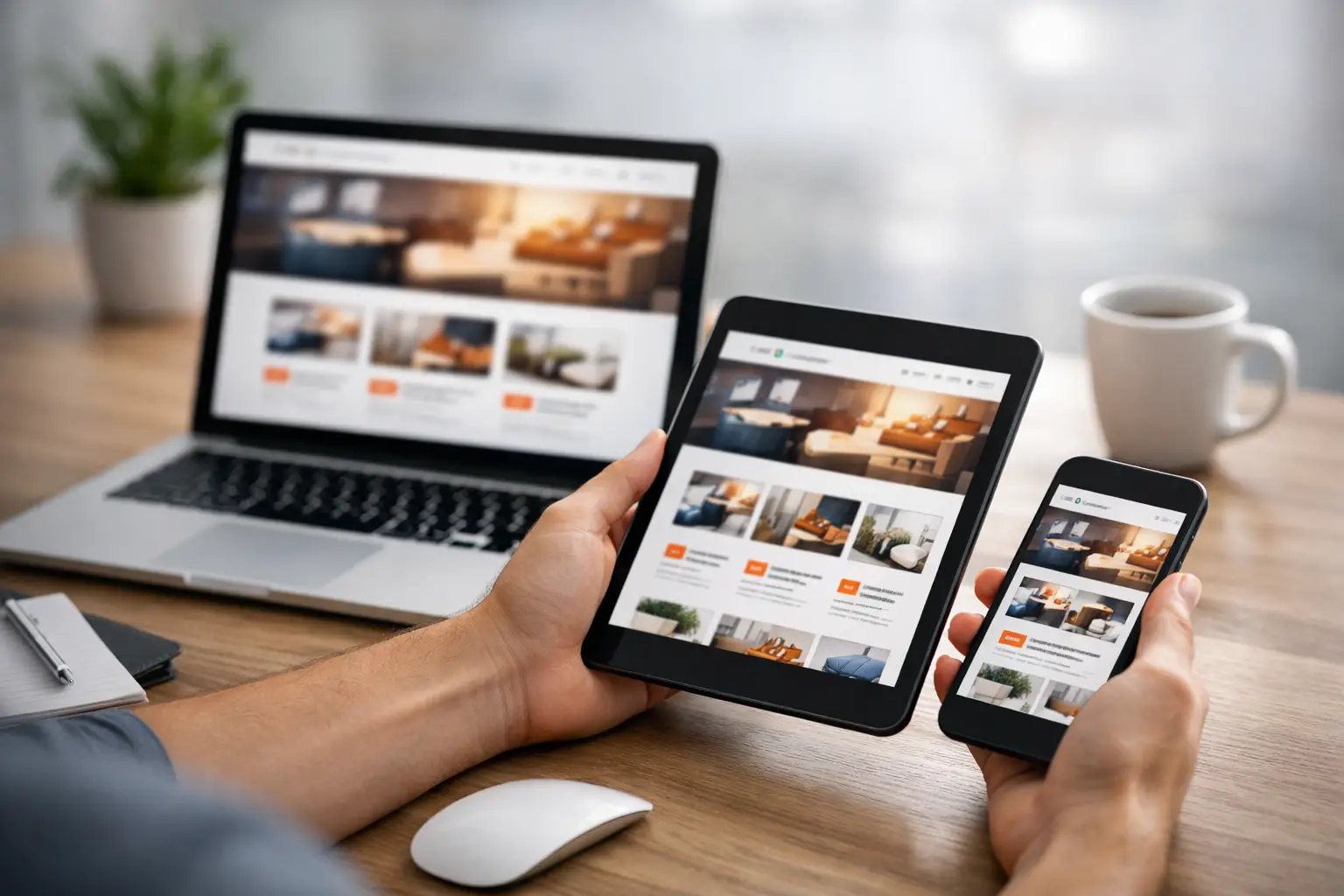
A dedicated event landing page or campaign tracking method can help you see which offers generated action. If attendees scan a QR code but do not complete a form, the issue may be the offer, the page, or the audience fit. That is valuable information for the next event.
Measure More Than Foot Traffic
A crowded booth can feel successful, but traffic alone does not show whether the event was worth the investment. Review results against the goal you set before the event.
Look at qualified leads, meetings scheduled, proposals requested, new referral relationships, sales generated, and follow-up conversion rates. Also track practical lessons: Which questions came up repeatedly? Which handout did people ask for? Did your main headline make sense without explanation? Were there materials left over because they were unnecessary, or because the team did not actively use them?
Some events deliver direct sales quickly. Others are better for building familiarity with a local market or strengthening relationships with existing customers. Both can be worthwhile, but they should be evaluated differently. A business that expects immediate contracts from every community event may be disappointed, while a company that treats a major trade show as purely a branding expense may miss valuable sales opportunities.
Keep Your Brand Consistent From Booth to Follow-Up
The strongest event experiences feel connected at every touchpoint. The signage that catches attention should match the brochure visitors take home. The landing page should look and sound like the booth. The follow-up message should continue the same promise, not introduce a completely different offer.
That level of consistency is easier when design, print, display materials, web assets, and promotional products are coordinated from the beginning. Echo Brand Geeks helps businesses bring those moving pieces together, reducing the production mistakes and vendor juggling that can weaken an otherwise strong event plan.
Your next event does not need more stuff. It needs a clear message, materials that support a purpose, and a dependable process for turning conversations into next steps. When those pieces work together, attendees do more than notice your booth. They remember why they should call you.