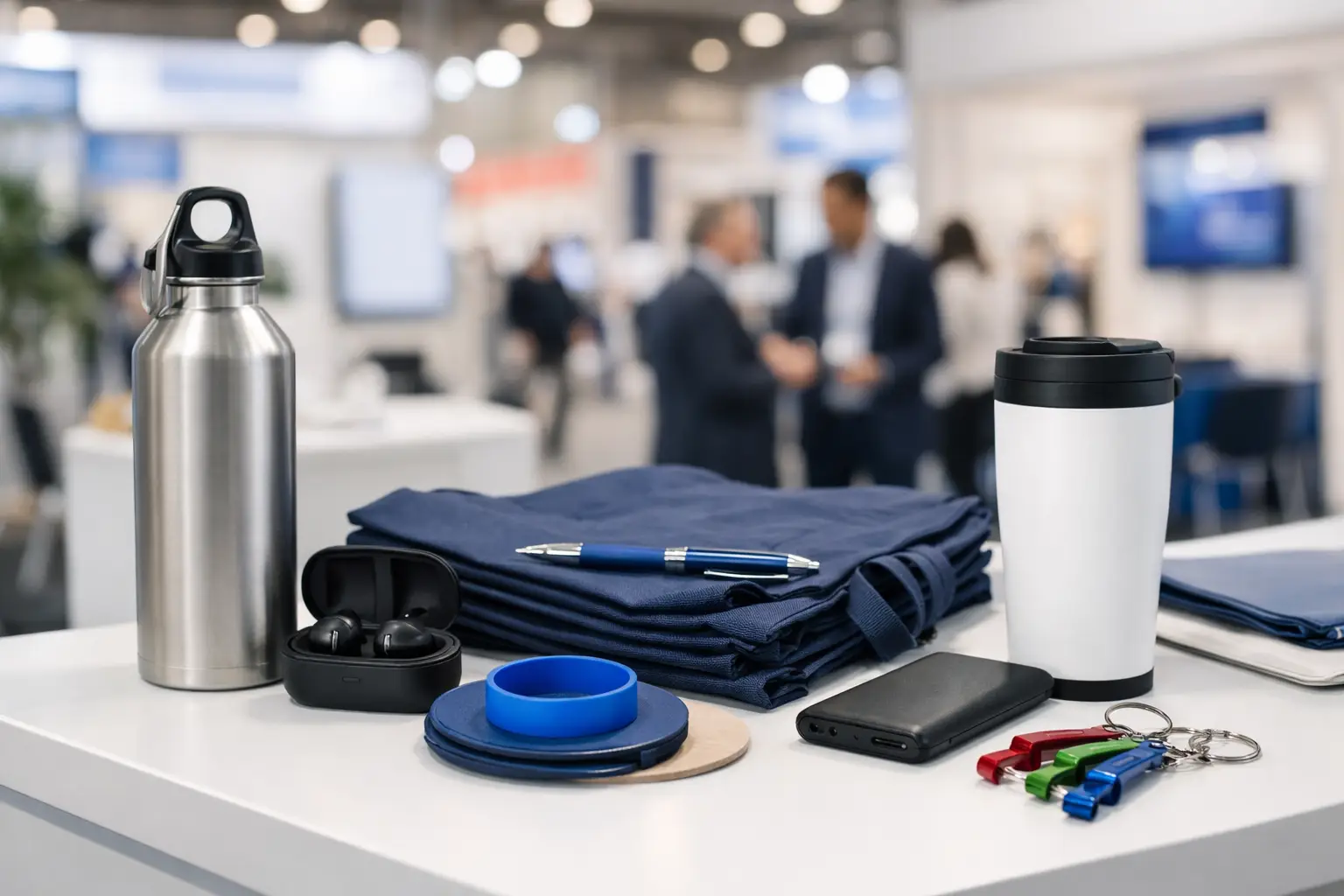
Trade show floors are crowded, loud, and full of businesses handing out things people forget by the time they reach the next booth. That is why promotional products for trade shows need to do more than display a logo. They need to support conversation, reinforce your brand, and give prospects a reason to remember you after the event.
A good giveaway is not just a free item. It is part of your sales process. The right product can start a conversation, keep your company visible after the show, and make your brand feel more established. The wrong product can waste budget, create clutter, and make your business look generic.
What makes promotional products for trade shows effective
The best trade show products sit at the intersection of usefulness, relevance, and brand fit. If an item is useful, people keep it. If it is relevant to your audience, it feels intentional instead of random. If it matches your brand, it helps build credibility rather than just adding another logo to the pile.
That sounds simple, but this is where many businesses miss the mark. They pick products based on unit cost alone, or they choose whatever is trending without asking whether it fits their customers. A cheap giveaway that gets tossed out is often more expensive than a better item that stays on a desk, in a bag, or in a vehicle for months.
There is also a practical side to it. Trade show giveaways have to travel well, fit your event setup, and be easy for staff to hand out without slowing down booth traffic. A product might look great in a catalog and still be a poor choice if it is bulky, fragile, or hard to store.
Start with the goal, not the product
Before choosing the item, decide what the giveaway needs to accomplish. Some businesses want booth traffic. Others want better lead quality. Some need to support a product launch, while others simply want to increase brand recognition in a local market. The product should match the goal.
If your biggest challenge is getting people to stop, lower-cost impulse items can help create quick interactions. If your priority is connecting with decision-makers, a more selective giveaway often works better. If your team has a follow-up strategy, then the product should support memory and recall after the event, not just attention in the moment.
This is also where brand consistency matters. If your booth graphics, business cards, print pieces, apparel, and giveaways all look disconnected, your company feels less polished. A trade show is one of the fastest ways to expose weak branding because every visual detail is in one place. When everything works together, your business looks organized and established.
The best types of trade show giveaways
Useful desk and office items remain strong performers because they stay in circulation. Pens still work, but only when the quality is good enough to keep. Sticky notes, notebooks, mouse pads, and phone stands can also perform well, especially with B2B audiences who spend time at a desk and value practical tools.
Drinkware is another reliable category, but quality matters even more here. A solid tumbler or reusable bottle often has a longer life than a low-cost cup that feels disposable. These items also offer better brand visibility because they tend to travel from office to car to meetings.
Tech accessories are popular because they feel current and useful. Charging cables, webcam covers, power banks, and screen-cleaning kits can be strong options when they align with your audience and budget. The trade-off is cost. Tech items usually require more investment, so they make more sense when you are targeting qualified leads instead of handing out products to everyone who walks by.
Tote bags can work well at trade shows because attendees need something to carry materials. They turn into moving brand exposure across the event floor. The downside is that everyone notices the bag first, but fewer people remember who gave it to them unless the design is strong and the branding is clear.
Apparel can be effective too, especially hats, T-shirts, or branded outerwear, but sizing and taste complicate things. Apparel works best when the design feels wearable, not overly promotional. If it looks like an ad, most people will not wear it.
Cheap is not always smart
Budget matters, especially for small and mid-sized businesses trying to get the most from every event. But lowest price should not be the deciding factor. A poor-quality item sends a message, and it is usually not the one you want. If the imprint rubs off, the zipper breaks, or the pen fails after one use, that reflects on your brand.
A better approach is to divide your promotional products into tiers. One item can be available to general booth visitors, while a more premium item is reserved for qualified prospects, scheduled meetings, or post-demo conversations. This helps you control cost while still creating value where it matters most.
That approach also gives your staff a better process. Not every visitor has the same potential. When your team has a clear system for who receives which item, giveaways become a tool for lead management rather than a bowl of random handouts.
Match the product to the audience
This is where trade show strategy becomes more practical. A giveaway for contractors, developers, or field service companies may look very different from one aimed at mortgage professionals, healthcare administrators, or software buyers. The more closely the item fits the daily habits of your audience, the more likely it is to stay useful.
For example, a local service business might do well with durable everyday items that live in trucks, offices, or job sites. A B2B firm targeting executives may be better served by fewer, higher-quality products with a cleaner presentation. Real estate and lending professionals often benefit from polished branded materials that support credibility, not novelty.
It also depends on the event itself. A large public expo may call for simple, high-volume items. A niche industry event with fewer but more valuable attendees may justify a more targeted giveaway strategy. The right answer is not universal. It depends on who is attending, what they care about, and what kind of follow-up you plan to do.
Design matters more than most companies think
A great product can still underperform if the design is weak. Too many businesses overcrowd promotional items with logos, taglines, phone numbers, websites, and tiny unreadable text. On a small item, that usually creates visual noise.
The best branded merchandise is clean and intentional. Your logo should be legible. Your colors should match your broader brand standards. If there is a message, it should be short enough to read in a second or two. The goal is recognition, not explanation.
This is one reason working with one partner across design, print, displays, and promotional merchandise can save time and reduce mistakes. If your booth backdrop, brochures, table cover, and giveaway all come from different vendors with no shared creative direction, inconsistencies show up fast. A cohesive presentation helps people trust that your business is established and detail-oriented.
Make the giveaway part of the booth experience
Promotional products work better when they support interaction. Instead of leaving items on the table for anyone to grab, tie them to a conversation, a demo, or a lead capture process. That makes the exchange more memorable and gives your team a reason to engage.
Simple execution makes a difference. Staff should know when to offer the item, how to introduce it, and what message it supports. If the giveaway connects to your service, product category, or campaign theme, it feels intentional. If it is random, it is easier to forget.
Presentation matters too. A premium item handed over after a strong conversation feels earned and valuable. The same item tossed into a pile on a crowded table loses impact. Small details like packaging, timing, and context can change how the product is perceived.
Common mistakes to avoid
One of the biggest mistakes is ordering too late. Rush production often limits your options, increases costs, and raises the chance of errors. Another is ignoring logistics. If you have to ship materials to a venue, carry them onto a plane, or store them in a small booth, product size and weight matter.
Another common issue is treating promotional products like a standalone decision. They should support the rest of your event marketing. If your signage says one thing, your handout says another, and your giveaway has an outdated logo, your brand feels fragmented.
Finally, many businesses fail to measure what worked. Ask your team which items started conversations, which ones people asked about, and whether certain giveaways led to better follow-up engagement. You do not need complex analytics to learn from an event. You just need to pay attention.
Choosing promotional products for trade shows is less about finding the most popular item and more about finding the right fit for your brand, audience, and sales process. When the product is useful, well-designed, and connected to a bigger strategy, it does more than fill a bag. It helps your business stay remembered when the show is over, and that is where real value starts.