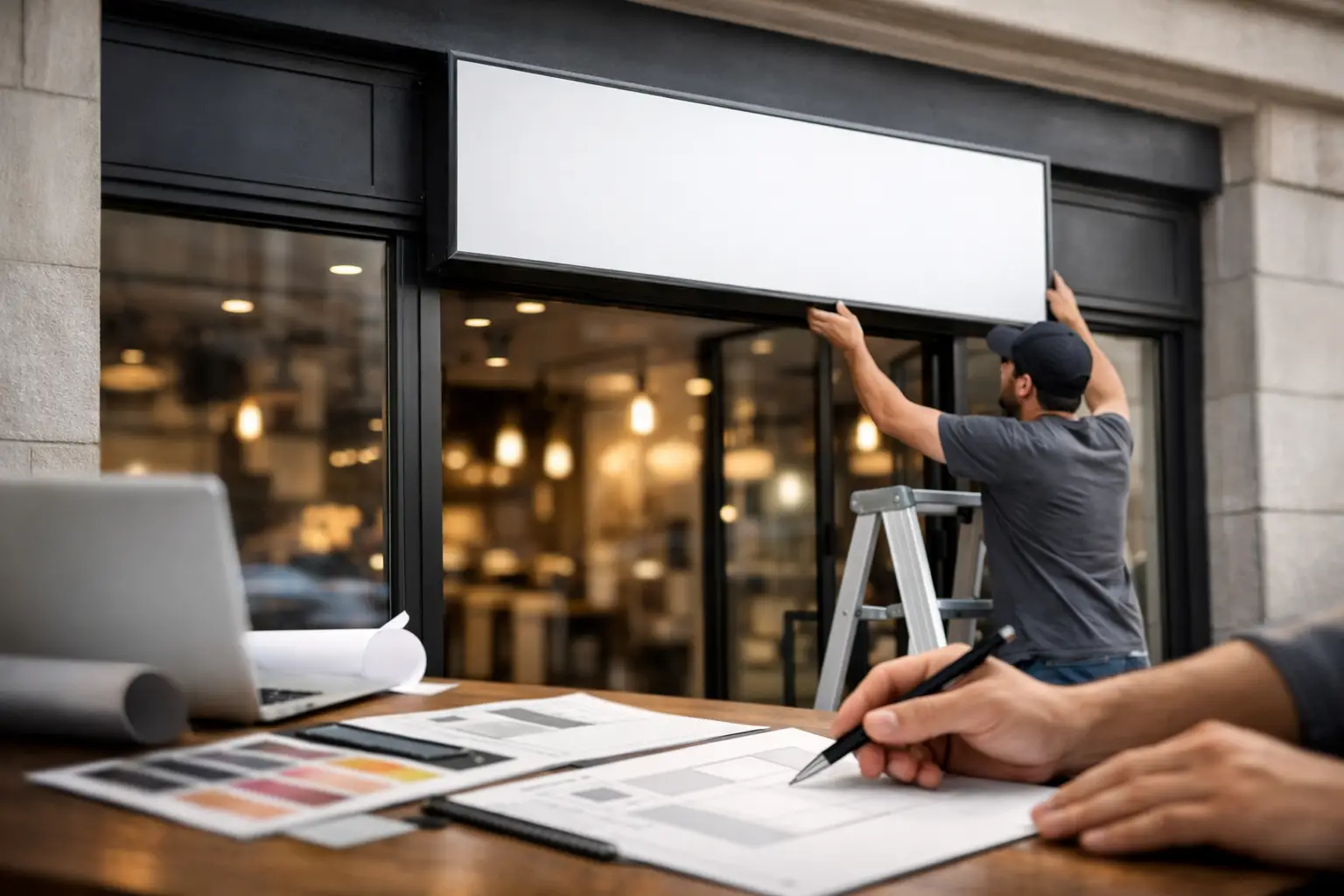
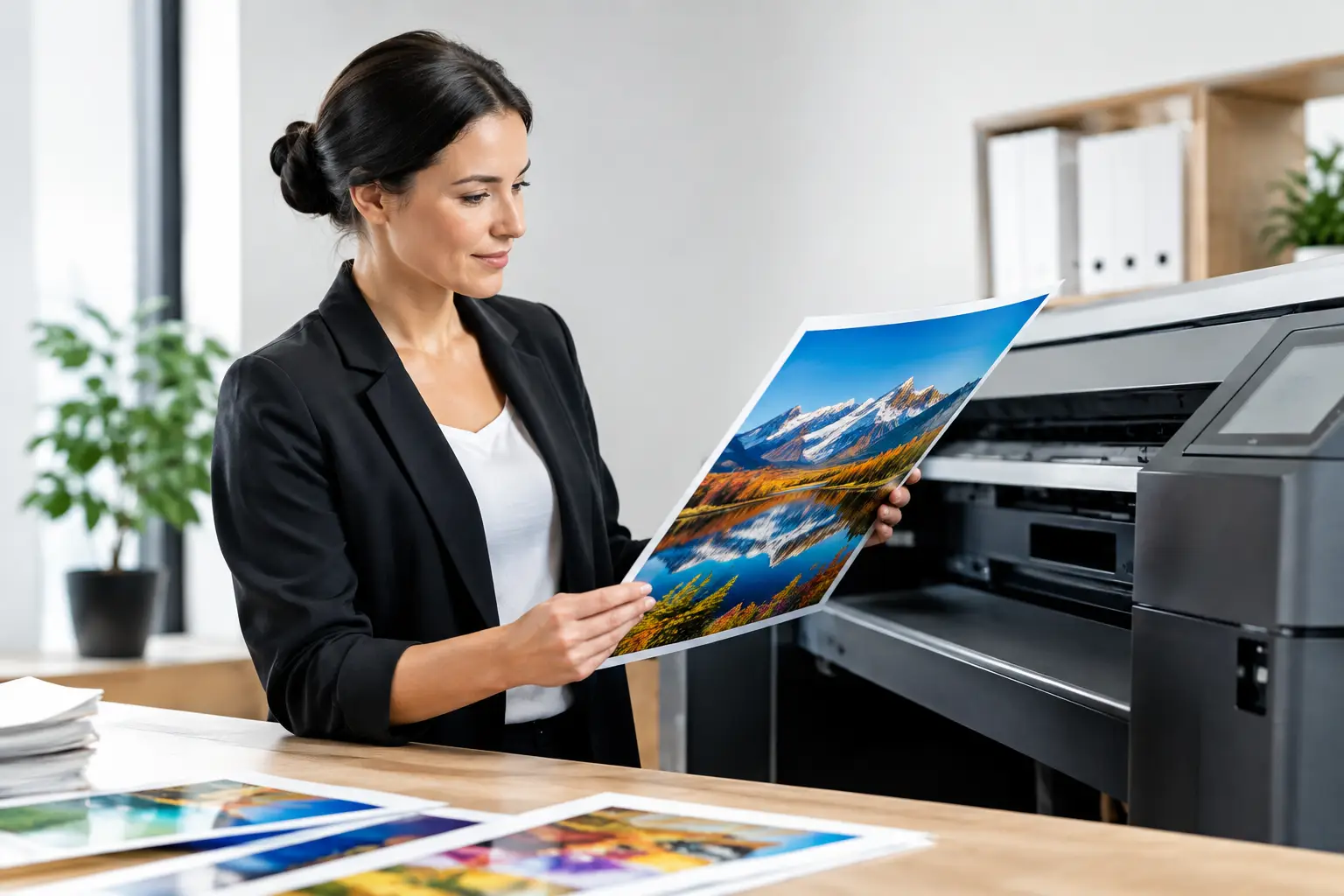
A new salesperson starts Monday. A trade show is two weeks away. Your team needs 300 postcards with a different offer for each neighborhood. These are the moments when is digital printing better becomes a practical business question, not a technical one.
Digital printing is often the smart choice when you need professional materials quickly, in targeted quantities, without paying for more inventory than you can use. It gives small and mid-sized businesses the flexibility to keep marketing moving while protecting the budget. But it is not automatically the best method for every job. The right choice depends on quantity, timing, personalization, color needs, and how long the piece needs to work for your brand.
When Is Digital Printing Better for Short Runs?
Digital printing shines when your quantity is relatively low. Unlike traditional offset printing, it does not require custom printing plates or a lengthy setup process. That means you can produce a small run of polished marketing materials without carrying the setup costs that make short offset runs less economical.
For many businesses, that includes a few hundred business cards, 250 event flyers, 500 postcards, or a limited batch of brochures for a sales meeting. You get a professional finished piece without ordering thousands simply to reach a better unit price.
That matters because low cost per piece is not always the same as low overall cost. Ordering 5,000 outdated brochures may look efficient on paper, but it becomes expensive if 3,000 sit in a storage closet after a phone number, service list, price, or team member changes. Digital printing helps you order closer to what you truly need.
It reduces expensive leftovers
Short-run printing works especially well for businesses that update their messaging often. Real estate professionals may need property-specific handouts. Contractors may refresh seasonal offers. A growing company may be adding staff, locations, certifications, or services throughout the year.
Instead of treating every update like a major production problem, you can make a controlled change and print the next batch. This keeps your materials accurate and your brand credible in front of prospects.
When Digital Printing Is Better for Speed
Deadlines rarely arrive at a convenient time. A networking event gets added to the calendar, a new location opens, or a sales opportunity requires a leave-behind by the end of the week. Digital printing typically moves faster because there are fewer prepress steps before production begins.
For time-sensitive pieces, that speed can be more valuable than saving a few cents per item. A flyer that promotes an event after the event is over does not create a return. A delayed business card can make a new employee look unprepared. A sign with an old offer can confuse customers and cost you leads.
Digital printing is a strong fit for rush business cards, postcards, sales sheets, menus, short-term signage, event materials, and updated presentation folders. It allows your marketing to respond to what is happening in the business now, rather than what was planned months ago.
Speed still requires a clean process. Finalize your copy, check phone numbers and URLs, confirm quantities, and approve the proof carefully. Fast production cannot fix an overlooked typo or the wrong event date.
Personalization Makes Digital Printing More Valuable
One of the clearest answers to when is digital printing better is when one message should not go to everyone.
Digital printing supports variable data, which means names, addresses, locations, offers, images, or calls to action can change from one printed piece to the next. A lender can send different messaging to first-time buyers and move-up buyers. A property manager can tailor postcards by neighborhood. A B2B company can create follow-up mailers that reference a prospect’s industry or previous interaction.
Personalization does not need to be overly complicated to work. Even a recipient’s name, a local market reference, or an offer matched to a known need can make a piece feel more relevant. Relevant marketing earns more attention than generic marketing, especially when your audience receives a full mailbox every week.
The key is to use accurate data and keep the design consistent. Personalization should make the message stronger, not make the piece look improvised. Your logo, brand colors, voice, and core promise should remain recognizable across every version.
Digital Printing Helps You Test Before You Commit
Marketing decisions should not be based on guesswork when a smaller test can provide a real answer. Digital printing makes it easier to test a headline, offer, design, or audience segment before placing a larger order.
A home services company, for example, might print two postcard versions for separate neighborhoods. One version focuses on a seasonal maintenance offer, while the other emphasizes financing. A professional services firm could test a direct, problem-focused headline against a credibility-focused message. The response gives the business useful information before it invests in a larger campaign.
This approach also works well when launching a new service or entering a new market. Start with a focused run, measure calls, scans, appointments, or redemptions, then refine the next version. You will make better production decisions with results in hand.
Where Offset Printing May Be the Better Choice
Digital printing is flexible, but offset printing can be the better value for large, stable runs. If you need tens of thousands of identical pieces and the design will remain unchanged, offset’s lower per-piece cost can become attractive.
Offset may also be preferable for projects with highly specific color matching requirements, certain specialty inks, or particular paper and finishing specifications. Brands that rely on precise corporate colors should discuss the project goals before choosing a process. Digital equipment delivers excellent color, but different materials, finishes, and printing methods can affect the final appearance.
The decision should be based on the full job, not just quantity. Consider how long the materials will stay relevant, whether you need multiple versions, your delivery deadline, and the cost of storing unused inventory. A larger offset run is only a bargain if you can use it.
Choose the Right Piece for the Job
Digital printing is commonly a strong match for everyday sales and marketing essentials: business cards for changing teams, postcards for targeted outreach, flyers for promotions, brochures for updated services, and event materials that must arrive on time.
It is also useful for consistency across campaigns. When your printed pieces need to match your website, trade show display, promotional products, and sales presentation, design and production should be coordinated. A disconnected process can create mismatched colors, old logos, conflicting offers, and unnecessary reprints.
Before sending a project to print, ask a few straightforward questions. How many do we realistically need? Will the information change soon? Does the message need to vary by recipient or location? Is timing more important than the lowest possible unit price? Are brand colors or specialty finishes central to the result?
Your answers will usually point you toward the right method. Digital printing is better when agility, accuracy, speed, personalization, and manageable quantities will help the piece do its job.
A printed piece should not become another marketing headache. It should help your business look prepared, credible, and easy to choose. Echo Brand Geeks can help you match the format, design, and production method to the result you need, so your next piece is ready to support the next opportunity.