A display can either make your booth, storefront, or event space look organized and credible – or make a strong brand feel like an afterthought. When comparing vinyl banners versus fabric displays, the right choice comes down to where it will be used, how often it will travel, and the impression your business needs to make.
Both options can carry bold graphics, clear calls to action, and professional branding. They do not perform the same way, though. Vinyl is a practical workhorse for many business applications. Fabric delivers a more polished, exhibit-style presentation. Understanding the trade-offs before production helps prevent wasted budget and last-minute event headaches.
Vinyl Banners Versus Fabric Displays: The Core Difference
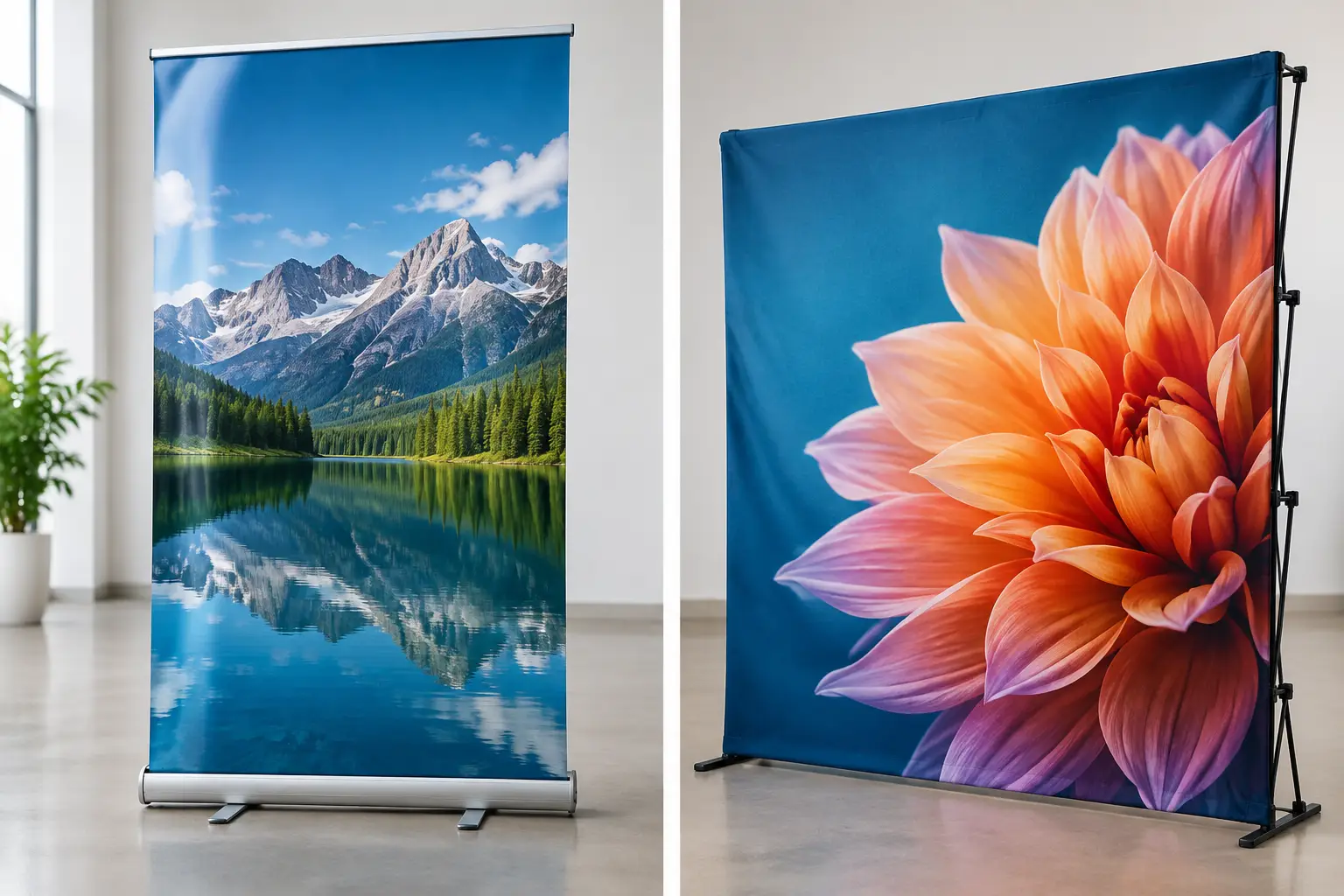
Vinyl banners are printed on durable vinyl material, typically with grommets, pole pockets, hems, or other finishing options that make them easy to hang. They are commonly used for storefront promotions, job sites, grand openings, outdoor events, directional signs, sponsor recognition, and temporary sales messaging.
Fabric displays are usually printed polyester graphics that fit over a lightweight frame or attach to a display system. They are popular for trade show backdrops, step-and-repeat walls, retail interiors, conference booths, recruiting events, presentations, and branded photo areas.
The simplest distinction is this: vinyl is built for practical visibility and tougher conditions, while fabric is built for a refined, high-end visual experience. That does not mean one is automatically better. A contractor promoting a new development and a financial firm exhibiting at a regional conference have very different needs.
When Vinyl Banners Make More Sense
Vinyl banners are a smart choice when durability, flexibility, and budget control matter most. They can be installed on fences, walls, exterior frames, tables, tents, and building facades without requiring a specialized display structure.
Better for outdoor use
Wind, sun, moisture, and changing weather are part of the equation for outdoor signage. Vinyl generally handles these conditions better than fabric, particularly when the banner is properly finished and installed. For windy locations, mesh vinyl can allow air to pass through, reducing stress on the banner and mounting points.
This makes vinyl a practical fit for real estate signs, construction projects, sports fields, community events, parking lot promotions, and exterior business announcements. A well-designed vinyl banner gives your message the space it needs to be seen from a distance.
Easier to size and install
Need a banner across a storefront window? A six-foot banner behind a registration table? A large announcement on a temporary fence? Vinyl is highly adaptable. It can be produced in a wide range of sizes and finished for the mounting method you plan to use.
That flexibility reduces headaches when a space does not fit standard display dimensions. It also allows businesses to create matching banners for multiple locations while keeping colors, messaging, and logo treatment consistent.
Lower cost for short-term campaigns
For promotions with a defined end date, vinyl usually offers strong value. Seasonal sales, open houses, special events, hiring announcements, and limited-time offers do not always need a premium trade show system. A clear vinyl banner can communicate the message effectively without putting unnecessary pressure on the marketing budget.
Vinyl does have a more utilitarian look, especially if it is hung with visible grommets or bungee cords. That is rarely a problem for outdoor advertising or functional signage. It can be a consideration in polished indoor environments where presentation is part of the sales experience.
Where Fabric Displays Stand Out
Fabric displays are designed to create an intentional environment. Rather than looking like a sign that was added to a space, they can make a booth, lobby, or event area feel branded from edge to edge.
A cleaner, more premium appearance
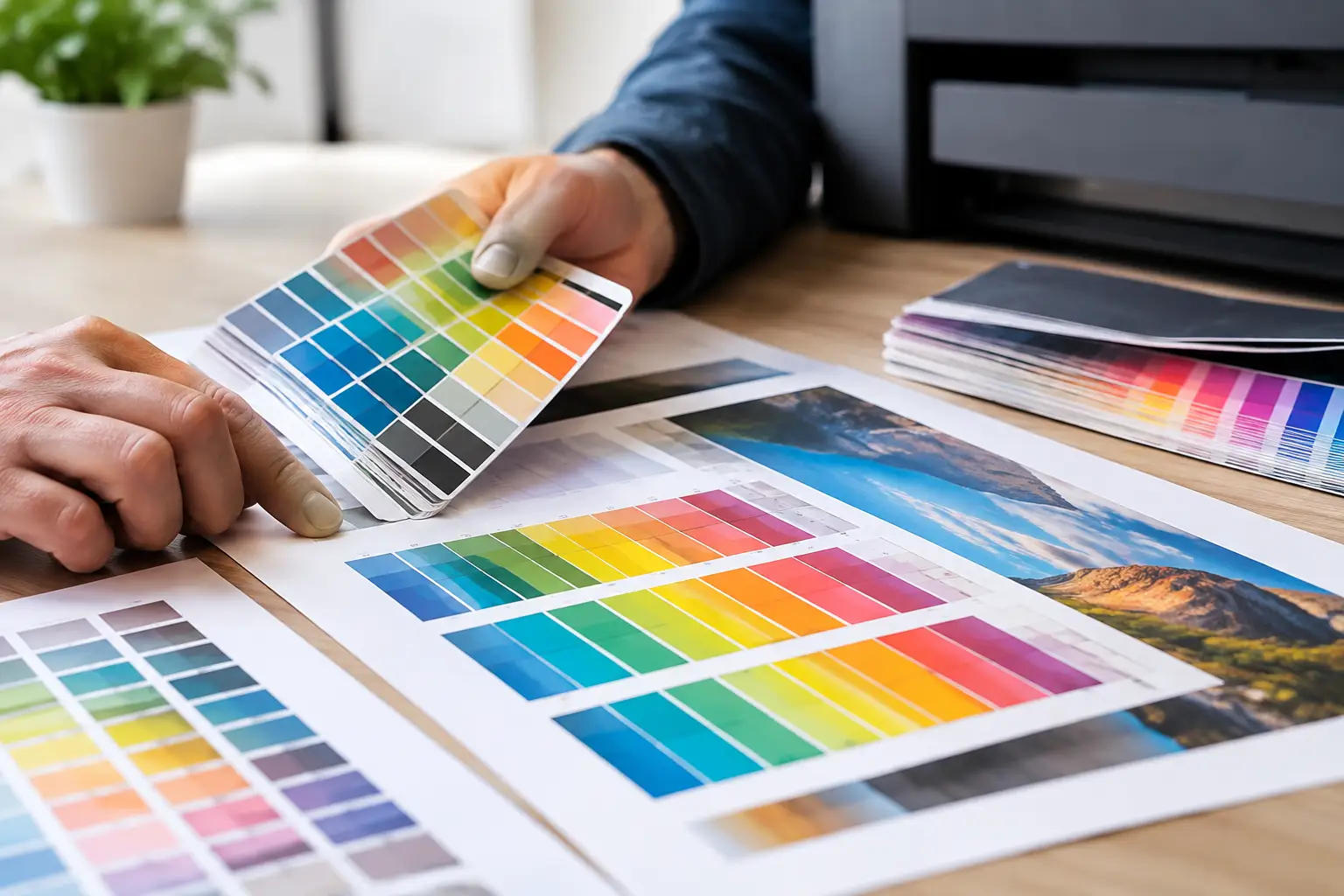
Fabric graphics typically have a matte finish, which reduces glare from overhead trade show lighting and makes photography easier. The material also creates a softer, more finished look than traditional banner vinyl. When stretched across a frame, fabric can provide a smooth graphic surface with no visible hardware on the front.
For businesses selling professional services, higher-value products, or expertise, this visual difference can matter. A consulting firm, lender, developer, healthcare provider, or B2B company often needs an exhibit space that reinforces credibility before the first conversation begins.
Better for repeat events and presentations
A fabric backdrop or tension display is often easier to transport than a large rigid sign. Many systems break down into lightweight components, while the printed fabric folds into a carrying case. That can be helpful for teams attending multiple conferences, job fairs, networking events, and client presentations throughout the year.
Fabric is also less prone to the obvious creasing that can distract from a rolled vinyl graphic. It still needs proper packing and care, but it is often the more convenient option for a display that gets used repeatedly.
Strong option for branded experiences
Fabric works especially well when the display is more than an announcement. Think product launches, photo backdrops, conference booths, pop-up environments, and retail installations where people will interact with the space or take photos in front of it.
In these settings, clean color reproduction, reduced glare, and a smooth finish help make your brand memorable. The display becomes part of the customer experience instead of simply delivering a message.
Consider the Hidden Costs, Not Just the Print Price
The least expensive print option is not always the least expensive decision. A vinyl banner may cost less upfront, but fabric can offer better long-term value if your business attends several events each year and needs a consistent, polished setup.
On the other hand, fabric display systems usually require a frame, stand, or hardware package. If you only need a one-day banner for an outdoor fundraiser or a temporary storefront message, that investment may not be justified.
Storage and setup matter, too. A vinyl banner can be rolled, stored, and rehung with minimal equipment. A fabric display needs its frame pieces accounted for, and the graphic must be fitted correctly for the best appearance. Neither process is difficult when planned well, but your team should be realistic about who will set it up and how much time they have.
Match the Display to the Job
Start with the environment. If the display will face weather, hang outdoors, or need unusual dimensions, vinyl is usually the practical choice. If it will anchor a booth, enhance an indoor event, or support a premium brand presentation, fabric is often worth the investment.
Then consider viewing distance. Vinyl banners are excellent for large, direct messages such as “Now Hiring,” “Grand Opening,” or a phone number that needs to be read across a parking lot. Fabric displays can handle bold messaging too, but they shine when viewers will stand closer and notice your logo, photography, details, and overall design quality.
Finally, consider how the display fits with the rest of your marketing. Your booth graphic, business cards, brochures, promotional products, website, and follow-up materials should all feel like they came from the same business. Mixed colors, outdated logos, and inconsistent messaging create friction at the exact moment you are trying to build trust.
Design Still Determines Results
Material matters, but design determines whether people understand the message. A banner or backdrop should not try to say everything about your business. Lead with one clear purpose, use a readable headline, keep critical information large enough for the intended viewing distance, and give your audience one next step.
For a vinyl banner, that next step might be visiting a location, calling a number, or scanning a QR code. For a fabric trade show display, it may be starting a conversation, scheduling a consultation, or recognizing your company among a crowded field of exhibitors.
Avoid treating the design as an afterthought. A great material cannot fix a cluttered layout, low-resolution logo, or message that takes too long to understand. The best display earns attention quickly and makes your business look prepared.
A good rule is to choose vinyl when the job calls for tough, flexible visibility and fabric when the moment calls for a more polished brand presence. If your display needs to do both, plan the campaign as a system rather than forcing one product to solve every problem. That approach keeps your marketing easier to manage and gives every customer-facing moment a more professional finish.