A uniform order can look simple on paper: pick a shirt, add a logo, place the order. In practice, knowing how to order custom employee uniforms means making several decisions that affect your budget, your team’s comfort, and the way customers see your business. A sharp, consistent uniform builds credibility the moment an employee walks through the door, arrives at a job site, or meets a client.
The goal is not just to put your logo on apparel. The goal is to give your team branded workwear they will actually wear, while keeping reorders, size changes, and production mistakes from becoming an ongoing headache.
Start With the Job, Not the Garment
Before choosing colors or apparel styles, consider what your employees do all day. A polo that works well for a real estate team may not hold up for a landscaping crew. A construction company may need high-visibility apparel, durable outerwear, and moisture-wicking layers. A medical office may prioritize easy-care fabrics and a clean, approachable appearance. A restaurant may need aprons, hats, and shirts that stand up to frequent washing.
Think through the daily environment: indoor or outdoor work, heat or cold, customer-facing interactions, physical activity, and safety requirements. These details narrow the options quickly and help you avoid ordering apparel that looks good in a mockup but performs poorly on the job.
Comfort matters more than many business owners expect. If a shirt is stiff, hot, too thin, or restrictive, employees may avoid wearing it whenever possible. That undercuts the entire investment. Ask for fabric details, care instructions, and available size ranges before you commit.
Define What the Uniform Needs to Accomplish
Custom uniforms can serve different business goals. For some teams, the priority is instant recognition. For others, it is creating a more polished and trustworthy customer experience. In certain industries, uniforms also help customers quickly identify the right person for assistance.
Set a clear purpose for the order. You may need one everyday uniform for all employees, different apparel by department, or a combination of customer-facing shirts and practical workwear. For example, office staff might wear embroidered polos while field technicians receive branded performance shirts, jackets, and hats.
This is also the right time to decide whether the uniform is required, optional, seasonal, or part of a new-hire package. A clear policy makes quantities easier to estimate and prevents confusion later.
Choose Apparel That Supports Your Brand
Your uniform should look like it belongs to your business, not like a generic shirt with a logo added at the last minute. Start with your existing brand colors, logo files, typography, and overall visual style. A clean logo treatment in the right location can make a modest garment look professional. Too many colors, oversized graphics, or competing design elements can have the opposite effect.
For most businesses, the left chest is a dependable location for an embroidered or printed logo. It is visible during conversations without overwhelming the garment. Larger back prints can work well for service businesses, event teams, and crews that spend time in public-facing work environments. Sleeve logos, names, or department identifiers may be useful, but only when they add a practical purpose.
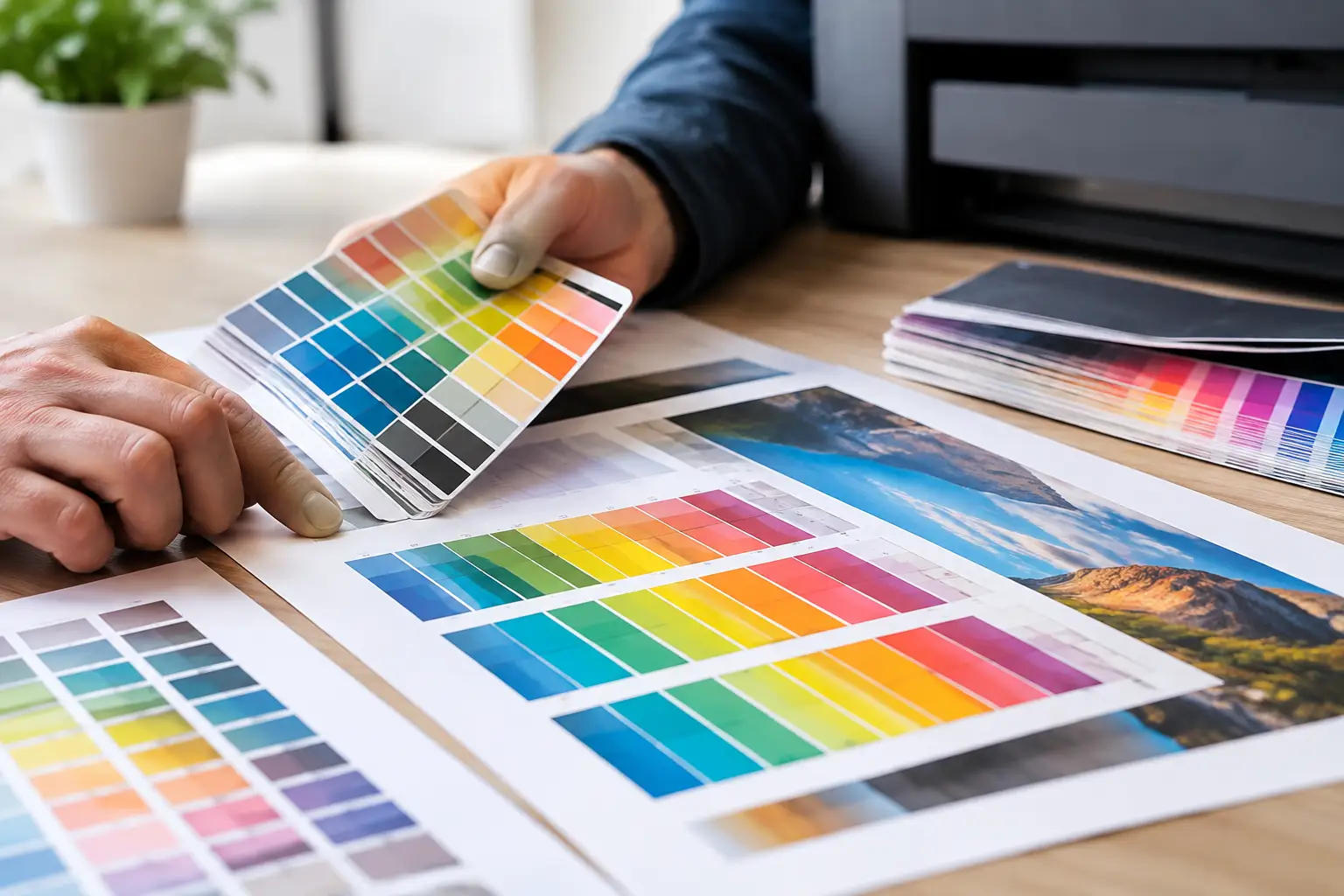
Color selection deserves careful attention. Dark shirts can hide stains and look polished, but a dark logo may disappear against them. Light garments feel clean and approachable, yet they may show wear faster in physical jobs. Your branding partner should provide a proof that shows contrast, placement, and scale before production begins.
Decide Between Embroidery, Screen Printing, and Other Methods
Decoration method affects the look, durability, cost, and production timeline of your order. There is no single best choice. It depends on the garment, logo, quantity, and how the apparel will be used.
Embroidery gives polos, button-downs, jackets, hats, and outerwear a classic professional finish. It is especially effective for smaller chest logos and often holds up well through repeated wear. Detailed logos with tiny text or color gradients may need to be simplified for a clean embroidered result.
Screen printing is a practical choice for larger designs, staff shirts, event apparel, and high-quantity orders. It can produce bold color and a smooth finish, especially on T-shirts and performance apparel. Pricing is usually more favorable as order quantities increase, although the number of ink colors can affect cost.
Heat transfers and digital print methods can be useful for smaller runs, highly detailed artwork, individual names, or designs with multiple colors. The right provider will recommend a method based on the actual job rather than pushing one decoration process for every order.
Build a Size and Quantity Plan Before You Order
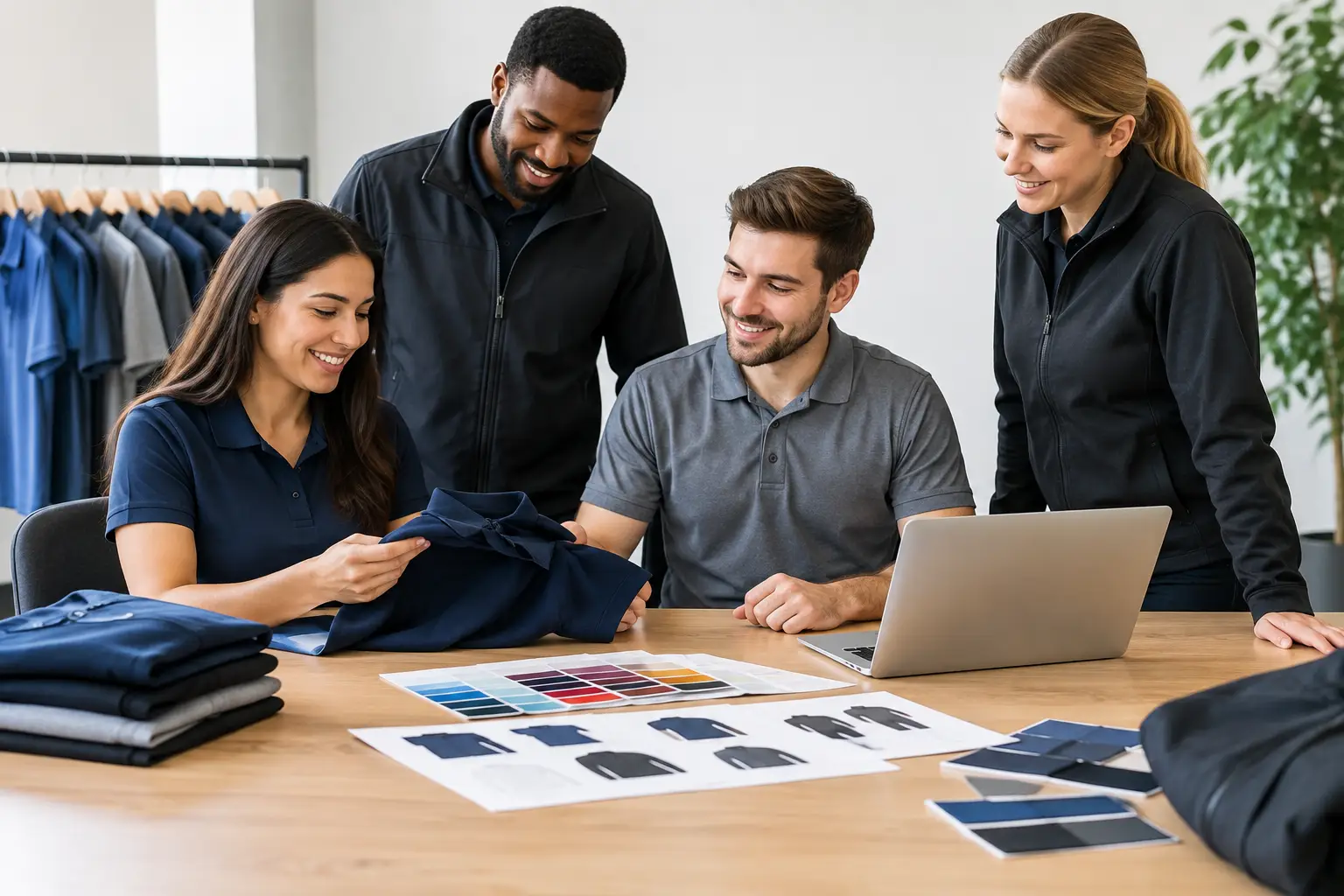
Sizing is one of the most common sources of uniform-order frustration. Avoid estimating sizes based on assumptions, especially if you are ordering fitted styles, women’s cuts, outerwear, or performance apparel. Collect sizes directly from employees using the manufacturer’s size chart. If possible, have samples available for staff to try on before the final order is submitted.
Plan for more than your current headcount. Ordering a few extra pieces in common sizes can save time and shipping costs when a new employee starts next month. It also gives you replacements for damaged garments or last-minute events.
A practical first order often includes the following:
- Two to four everyday uniform pieces per employee
- Extra units in common sizes for new hires and replacements
- Seasonal layers such as jackets, hoodies, or quarter-zips when needed
- Branded hats, aprons, or safety gear for roles that require them
The right quantity depends on your industry and laundry expectations. Employees who work outdoors, in food service, or in hands-on trades generally need more than an office-based team that wears branded apparel a few days each week.
Set a Budget That Accounts for the Whole Order
The lowest per-shirt price is not always the lowest overall cost. A cheaper garment that fades, shrinks, or needs replacement quickly may cost more over time. Look at garment quality, decoration method, setup charges, artwork preparation, quantity discounts, and expected reorder needs.
It helps to separate your budget into two parts: the initial rollout and ongoing replenishment. Your first order may include design setup, samples, and a broader size range. Future orders should be easier once artwork, garment choices, and logo placement are established.
If budget is tight, prioritize one strong everyday item rather than spreading the budget across too many garment types. A consistent, durable branded polo or work shirt can make a better impression than several lower-quality pieces that do not hold up.
Review the Proof Carefully
Never approve a uniform order based only on a verbal description. Review the digital proof for logo placement, garment color, print size, thread or ink colors, spelling, employee names, and quantities by size. This is where small issues become easy to catch.
Pay special attention to logos that contain fine lines, small lettering, or colors that are close together. What looks clear on a computer screen may need adjustment for embroidery or print. A good production partner will flag potential issues before the job goes into production, not after the finished uniforms arrive.
Ask about turnaround time and approval deadlines as well. Rush orders can be possible, but they often limit garment choices or increase costs. Ordering ahead gives you more control over both quality and budget.
Create a Simple Reorder System
Once your first order is complete, document the details. Save the approved artwork, garment brand and style number, colors, decoration locations, and size records. This turns future purchases into a straightforward reorder instead of a new project every time.
For growing businesses, a centralized ordering process keeps departments from choosing different shirts, logo versions, or colors. Consistency is what makes uniforms work as a brand tool. Whether a customer meets one employee or twenty, the business should look organized and recognizable.
Echo Brand Geeks can help businesses coordinate apparel design, decoration, and branded materials in one place, making it easier to keep uniforms aligned with business cards, signage, event displays, and other customer-facing marketing.
A well-planned uniform does more than identify your staff. It tells customers that your business pays attention to details, takes pride in its people, and is prepared to deliver a professional experience before the first conversation even begins.