A business card says one thing, your website says another, and your trade show banner looks like it came from a third company. That is usually the moment a business realizes it does not just need design help. It needs a print and digital branding package that keeps every customer-facing piece aligned, professional, and easy to manage.
For small to mid-sized businesses, brand inconsistency is rarely a creative problem alone. It is an operational problem. When logos vary, colors shift, messaging changes, and vendors work in silos, the result is wasted time, avoidable reprints, and marketing that feels disconnected. A coordinated package solves that by bringing the core brand system and the materials built from it into one plan.
What is a print and digital branding package?
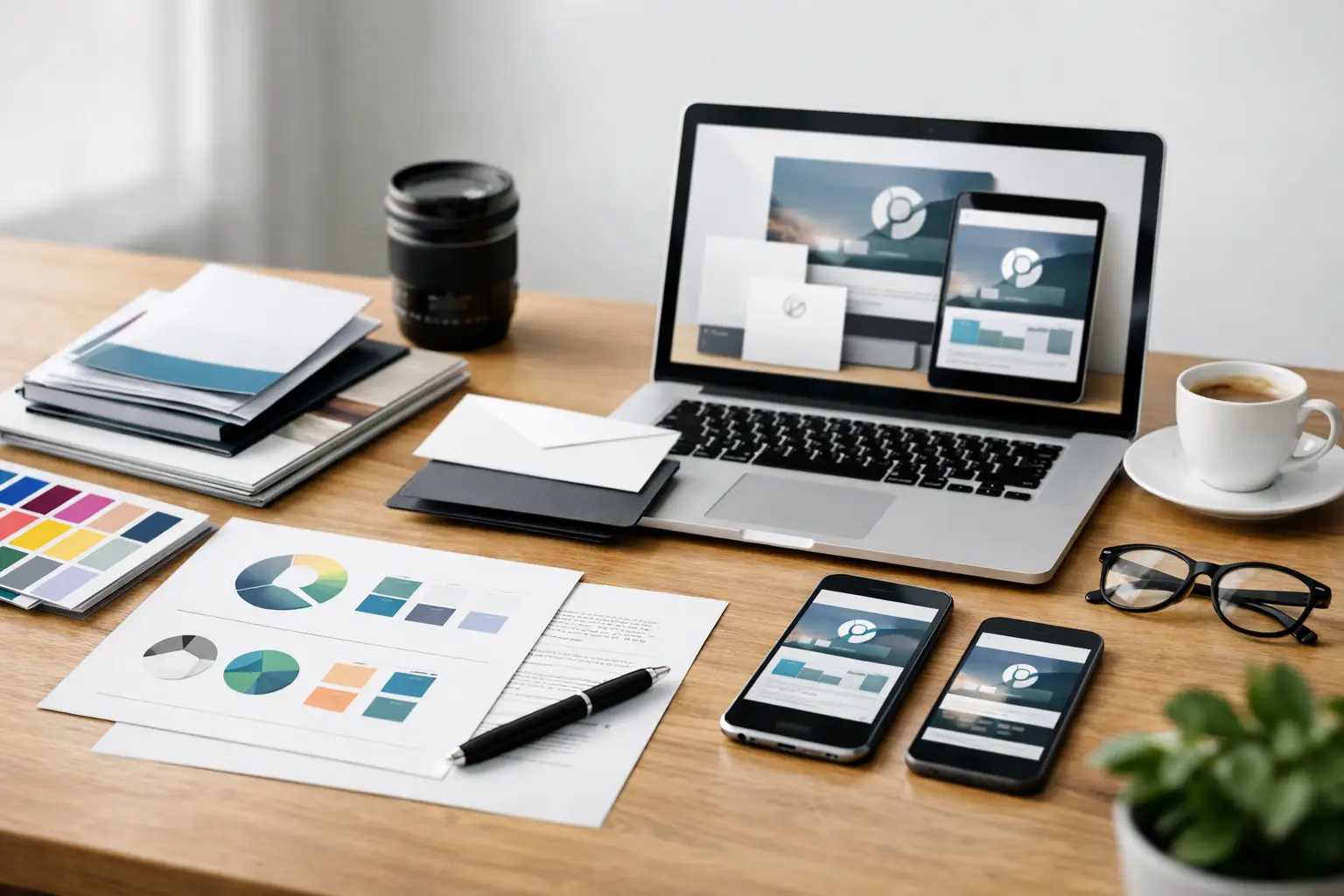
A print and digital branding package is a bundled set of brand assets, design standards, and marketing materials created to work together across physical and online channels. Instead of treating your business cards, website graphics, flyers, signage, and promotional items as separate jobs, the package ties them back to one visual identity and one message.
That sounds simple, but the value is in execution. A good package does not just hand you a logo and leave the rest up to chance. It creates the rules and the deliverables needed to present your business consistently wherever people find you.
For one company, that might mean logo files, brand colors, typography, business cards, email signatures, and website graphics. For another, it may expand to postcards, brochures, trade show displays, landing pages, social graphics, and branded apparel. The right scope depends on how you sell, where your customers interact with you, and how often your team needs to produce new materials.
Why businesses outgrow one-off design work
A lot of companies start by ordering assets as they need them. First a logo. Then a flyer. Later a website refresh. Then trade show materials from another vendor because the deadline is tight. That approach can work for a while, but it usually creates extra cost over time.
The problem is not that each piece is bad on its own. The problem is that nobody is managing the full brand across all touchpoints. Fonts get substituted. Colors print differently. Messaging drifts. Files are stored in five places. The salesperson uses one version of the logo while the office manager orders shirts with another.
This is where a print and digital branding package earns its keep. It reduces the back-and-forth, cuts down on mistakes, and gives your team a reliable set of approved assets. You spend less time chasing files and correcting inconsistencies, and more time putting your marketing to work.
What should be included in a print and digital branding package?
The strongest packages balance strategy with practical deliverables. They give you a brand foundation, then apply it to the materials your business actually uses.
Brand foundation
This usually starts with the visual identity system. That can include your primary logo, alternate logo versions, approved colors, typography, icon style, and file formats for both print and digital use. If this step is rushed, everything that follows becomes harder to manage.
A short brand guide is also important. It does not need to be bloated. It just needs to make clear how the brand should appear across different formats so your materials stay consistent even as your business grows.
Print collateral
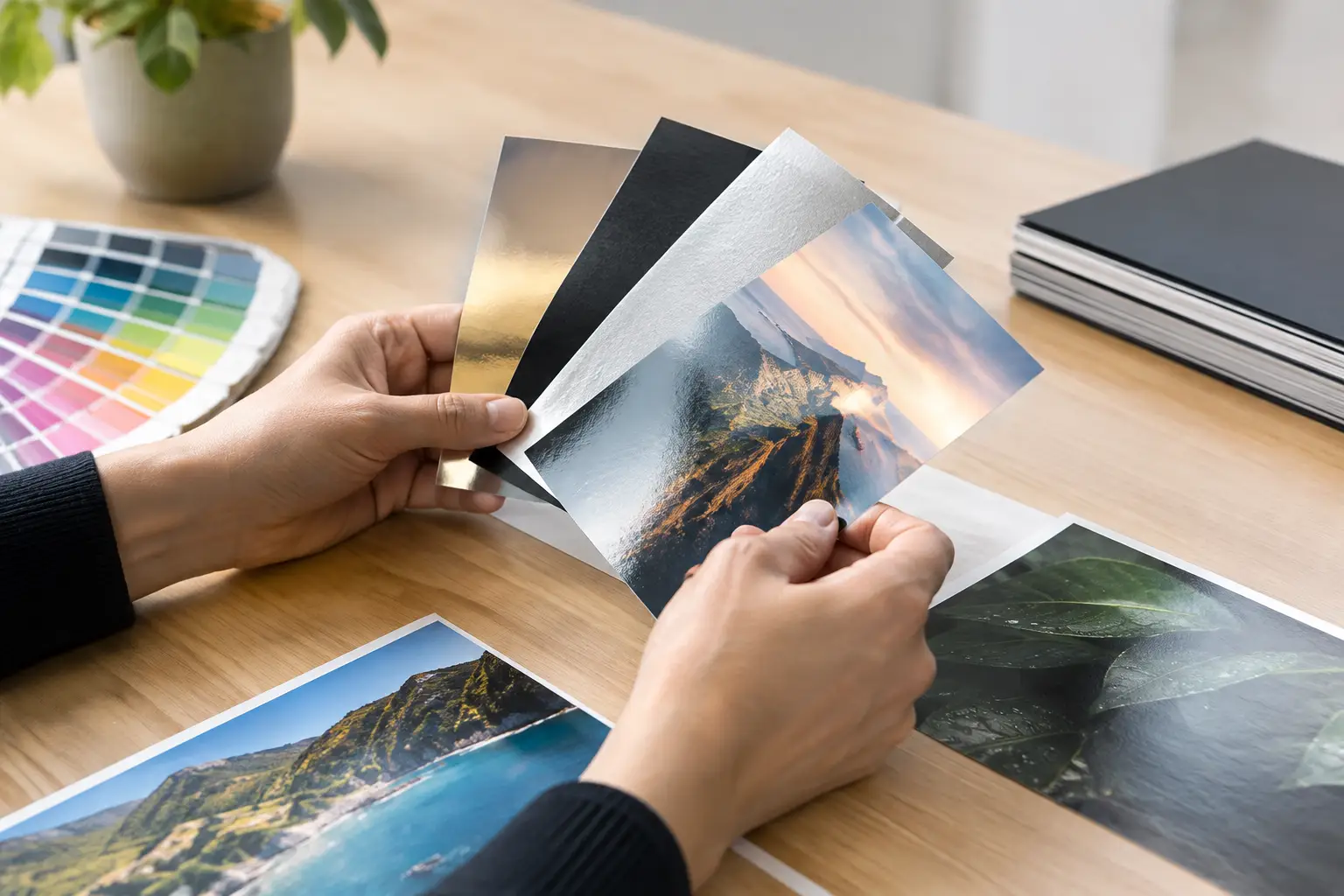
For many businesses, printed materials still carry a lot of weight. Business cards, brochures, flyers, postcards, presentation folders, rack cards, and signage often create the first in-person impression. If those pieces look polished and match your digital presence, they add credibility fast.
The exact mix depends on your sales process. A local service company may need door hangers and vehicle graphics. A real estate team may rely on listing flyers, signs, postcards, and presentation materials. A B2B company may need leave-behinds, folders, and trade show displays. The package should reflect how you actually market, not a generic checklist.
Digital assets
Digital branding pieces often move faster than print, which is why consistency matters even more. Common inclusions are website design elements, landing page graphics, social media profile images, post templates, email signature designs, ad creative, and digital brochure or presentation layouts.
If your website is one of your main sales tools, the branding package should support that clearly. Your online visuals should feel like an extension of your printed materials, not a separate identity.
Promotional and branded merchandise
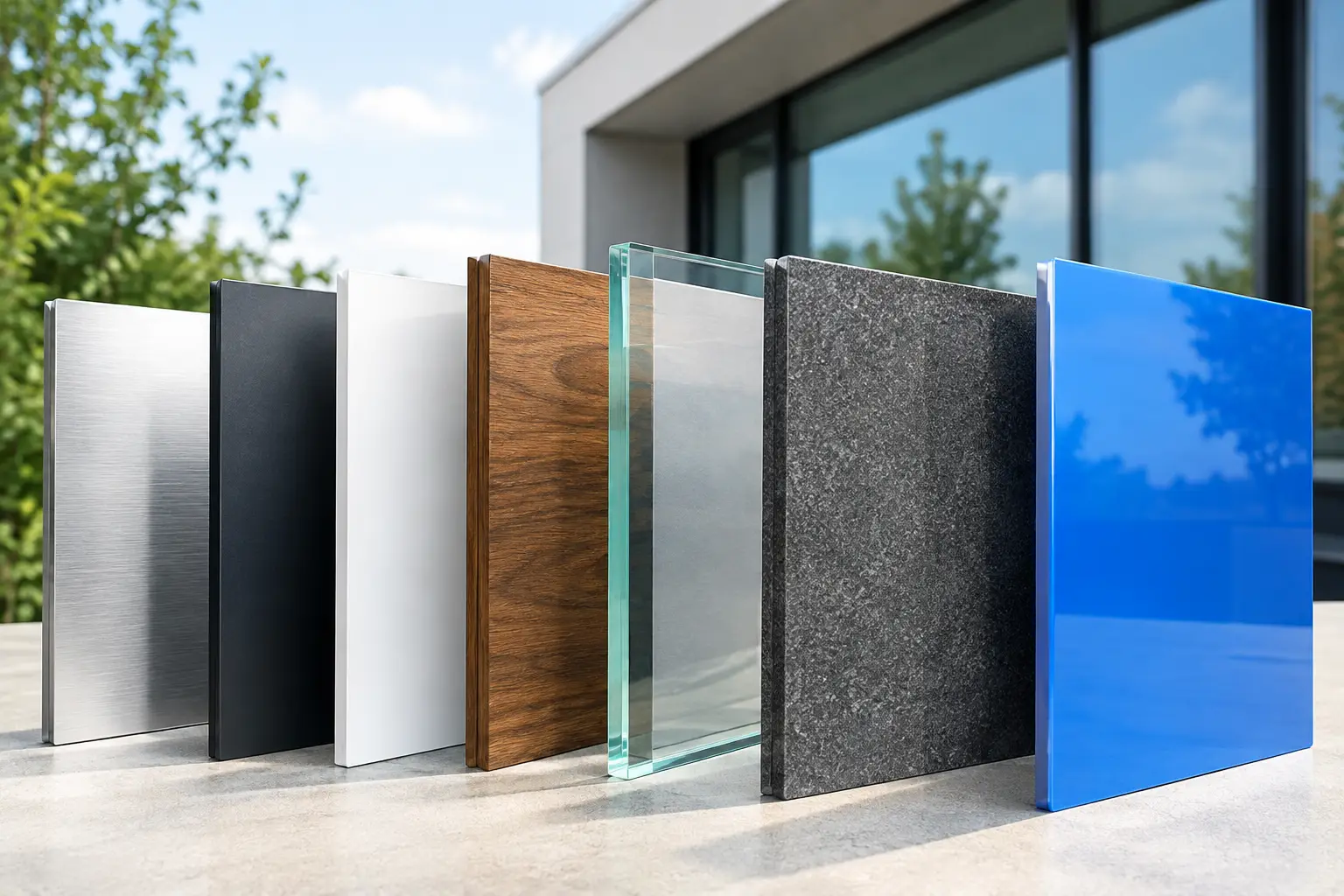
This category is often overlooked until an event or campaign pops up. Branded apparel, giveaway items, table covers, banners, and promotional products can be useful additions if you do events, recruiting, community outreach, or client gifting.
Not every business needs this upfront. But if branded merchandise is part of how you build visibility, it should be designed as part of the same system. That prevents the all-too-common issue of promo items looking off-brand compared to everything else.
The real business benefits
A print and digital branding package is not just about appearance. It is about making marketing easier to manage and more effective.
First, it saves time. When your assets are planned together, your team is not reinventing layouts, requesting missing files, or trying to guess which logo version is correct. That kind of friction slows down everyday work more than most owners realize.
Second, it reduces errors and duplicate spending. Reprints, mismatched signage, inconsistent web graphics, and rushed redesigns all cost money. A package creates upfront alignment, which usually lowers those clean-up costs later.
Third, it strengthens trust. Customers may not analyze your fonts or color values, but they absolutely notice when a business looks put together. Consistency signals professionalism. It tells people you are established, organized, and serious about your work.
Finally, it improves scalability. Once your brand system is in place, adding new materials becomes faster and less stressful. That matters when you open a new location, launch a campaign, attend an expo, or roll out a new service.
When a package makes sense and when it may not
There is no point buying more than you need. If you are a brand-new business still testing your offer, a smaller starter package may be the smarter move. You need enough to look credible, but not necessarily every possible asset on day one.
On the other hand, if you already have multiple marketing channels, outside sales activity, or several team members ordering materials, a more complete package often pays off quickly. The more places your brand appears, the more valuable coordination becomes.
It also depends on your internal capacity. Some companies have a marketing lead who can manage vendors and enforce standards. Many do not. If your team is busy running operations, sales, and service, having one partner handle design, print, web, and branded materials can remove a major headache.
How to choose the right provider
This part matters as much as the package itself. A provider should understand both design and production. It is one thing to create attractive artwork on a screen. It is another to make sure it prints correctly, scales to signage, works on merchandise, and translates well online.
Look for a partner who asks practical questions. How do you acquire customers? What materials do your salespeople use? Where does inconsistency happen now? Which items are reordered most often? Those conversations lead to a package that supports your actual business instead of giving you a stack of files with no real system behind them.
It also helps to work with a team that can manage multiple channels under one roof. That reduces version issues and makes project coordination easier. Echo Brand Geeks works with businesses that want that kind of simplicity because it cuts down on vendor confusion and keeps the brand tighter from concept through production.
Build for the way your business sells
The best branding package is not the biggest one. It is the one that supports how your business is seen, remembered, and chosen. If your brand shows up in print, online, and in person, those experiences should feel connected.
When your materials match, your message gets clearer. When your process is simpler, your team moves faster. And when your brand looks consistent everywhere, customers have one less reason to hesitate.