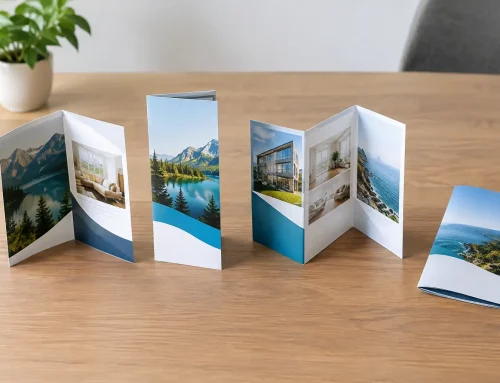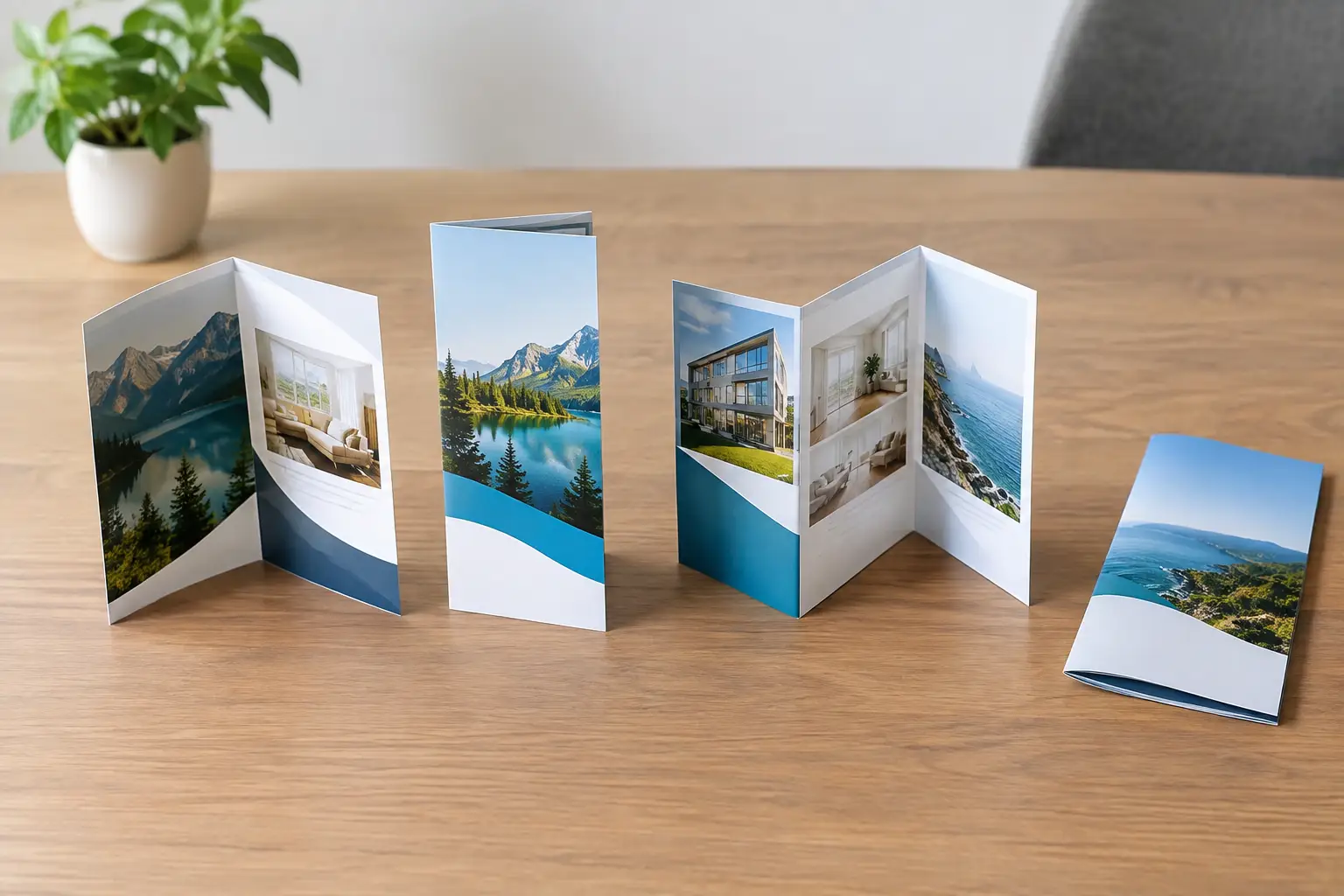

A homeowner may not need an agent the day your mailer arrives. But when a job change, inheritance, growing family, or downsizing decision puts a move on the table, the name they have seen consistently is the name they are more likely to call. A real estate postcard campaign keeps your business visible before the moment of need, without relying on crowded inboxes or changing social algorithms.
For agents, teams, lenders, and developers, postcards are not a one-time announcement. They work best as a focused local visibility system: a clear message, a recognizable look, a defined audience, and enough repetition to build familiarity. The goal is not to mail more paper. The goal is to become the trusted local choice in a specific market.
Start Your Real Estate Postcard Campaign With One Goal
A postcard cannot effectively promote every service, every neighborhood, and every offer at once. Before selecting paper stock or writing a headline, decide what you want recipients to do. A campaign aimed at winning listings should look different from one promoting an open house, a new construction community, or mortgage pre-approvals.
For example, a listing-focused mailer might lead with a recent sale, neighborhood price movement, or a simple offer for a home-value review. An open-house postcard needs the property photo, date, address, and a fast reason to attend. A lender may focus on a rate conversation, refinancing opportunity, or first-time buyer guidance.
Choose one primary action. Call, scan a QR code, visit a landing page, text a keyword, or bring the postcard to an event. Too many calls to action create hesitation. One clear next step makes it easier to measure whether the campaign is working.
Your target area matters just as much as your message. Broad mailing can make sense for a recognizable development or major event. For ongoing lead generation, a tighter farm area is usually more effective. Focus on neighborhoods where you have experience, recent sales, local knowledge, or a credible reason to start a conversation. Consistency in a few hundred or a few thousand homes generally outperforms occasional outreach spread across an entire county.
Build a Postcard People Recognize
Real estate is crowded with similar claims: top producer, local expert, sold fast, call today. Those phrases may be true, but they do not give people much reason to remember you. Strong postcard design makes the essential information easy to see while giving your brand a distinct, professional presence.
Start with a strong visual hierarchy. The headline should be understood in seconds. Supporting copy should answer the natural question that follows, such as why a homeowner should care about a recent sale or what they receive from a market analysis. Your contact information and call to action should be easy to find without making the design feel cluttered.
Use high-quality property photography when the property is the story. For market updates or seller campaigns, a professional headshot can help create personal recognition, especially when it is used consistently. Avoid switching colors, logos, fonts, and messaging style with every mailing. Familiarity is an asset. A homeowner who recognizes your postcard before reading it is already closer to remembering you when they need help.
Print quality also sends a message. Thin stock, muddy images, tiny type, and crowded layouts can make a capable business look rushed. A clean design on a durable postcard gives the recipient a physical signal that you pay attention to details. That matters when you are asking someone to trust you with a major financial decision.
Make the Message Local and Specific
Generic real estate advice has limited stopping power. Local proof earns attention. Reference a recent sale, a neighborhood event, a school-area trend, a new business opening, or a meaningful market shift. Be accurate, avoid unsupported claims, and follow all applicable fair housing, licensing, and advertising rules.
Specificity also creates useful reasons to keep mailing. One month, share a concise market snapshot. The next, feature a property that sold. Then offer a seller checklist or invite residents to a community event. The format can stay consistent while the reason to engage changes.
Use Frequency to Build Trust, Not Fatigue
Most postcard campaigns fail because they stop before recognition has a chance to develop. One mailing may generate a response if the offer is timely, but it rarely creates lasting market presence. Plan for a consistent schedule, often monthly or every four to six weeks, over several months.
The right cadence depends on your audience, budget, and message. A new listing, open house, or limited-time event may require a faster sequence. A neighborhood farming strategy benefits from steady repetition. What matters is that the recipient sees a coherent brand and useful message often enough to connect your name with local real estate expertise.
Do not confuse frequency with duplication. Sending the exact same card month after month can make the campaign easy to ignore. Keep the same core identity while rotating your proof points, stories, offers, and property features. A consistent look builds recognition; fresh content gives people a reason to look again.
Timing can also support stronger results. A spring seller message may be relevant before the market becomes busy. A year-end postcard can speak to homeowners considering a move in the next year. However, there is no single magic season. People move for personal reasons throughout the year, which is why year-round visibility has real value.
Connect Print to the Rest of Your Marketing
A postcard works harder when it does not have to carry the entire conversation. Pair it with a landing page that matches the offer and design on the card. If you promise a home-value estimate, the page should make that request simple. If you invite people to an open house, the page should provide clear details and an easy way to ask questions.
Use a dedicated phone number, campaign-specific QR code, or short call-to-action phrase when possible. That gives you a better view of where responses originate. It also lets you improve future mailings based on real behavior instead of assumptions.
Your digital profiles, business cards, signage, email follow-up, and social content should carry the same visual identity. When a homeowner receives a postcard, searches your name, and finds a completely different look online, trust can drop quickly. A unified system makes your business appear established and organized.
This is where working with one creative and production partner can reduce headaches. Echo Brand Geeks can help align postcard design, print production, landing pages, signs, and promotional materials so your campaign looks intentional at every touchpoint rather than pieced together from multiple vendors.
Measure More Than Immediate Calls
A postcard campaign should be accountable, but real estate decisions often have a long timeline. Measuring only direct calls from a single mailing can cause you to abandon an effective awareness strategy too soon. Track direct responses, website visits, QR scans, form fills, appointments, and listing conversations. Then pay attention to less immediate signals, such as people mentioning they have seen your cards or recognizing your name at events.
Compare results by neighborhood, message, offer, and mailing frequency. A seller-focused postcard may perform well in an established neighborhood, while a buyer education offer may resonate closer to new development. Keep notes on what was mailed, when it was sent, and what action it requested. After several cycles, patterns become much easier to spot.
Budgeting should include design, printing, postage, mailing lists, and follow-up. The cheapest postcard is not always the most profitable choice if poor design or weak targeting lowers response. On the other hand, premium finishes are not necessary for every campaign. Spend where it improves credibility and clarity, then use tracking to determine what earns a return.
Avoid the Mistakes That Waste a Mailing
A few avoidable problems can weaken even a well-funded campaign. Mailing to an outdated or poorly matched list creates unnecessary cost. An unclear offer gives recipients no reason to respond. Tiny contact information, weak images, and generic copy make the card easy to discard.
Another common problem is treating the postcard as the end of the campaign. If a homeowner scans, calls, or fills out a form, response time matters. Have a follow-up process ready before the cards hit mailboxes. A fast, helpful reply turns attention into a real conversation.
Finally, do not let compliance become an afterthought. Confirm required brokerage information, license details, disclaimers, mailing regulations, and fair housing considerations before printing. A careful preflight review is far less expensive than correcting thousands of mailed pieces.
The best postcard is the one that makes a local homeowner think, “I know who to call.” Keep your message useful, your design consistent, and your follow-up ready. Over time, each mailing adds another layer of recognition that can turn a future move into your next opportunity.