
A brochure is often picked up when no one from your team is there to explain what makes your business different. It may sit at a front desk, travel home from a trade show, or get handed to a prospect after a sales conversation. That is why custom brochure printing needs to do more than look polished. It needs to make your business easy to understand, easy to remember, and easy to contact.
For small and mid-sized businesses, a well-made brochure can add credibility without creating another marketing headache. The key is treating it as a sales tool, not a page full of information. Every choice, from the fold to the paper stock, should support the action you want the reader to take.
What a Brochure Should Do for Your Business
A brochure earns its place when it answers the questions prospects ask before they are ready to call: What do you do? Who do you help? Why should they trust you? What should they do next?
This matters for service businesses, real estate professionals, lenders, developers, B2B companies, and local organizations alike. Your offer may be valuable, but a generic handout with crowded copy and inconsistent branding can make the business feel less established than it is. A clear, professionally printed brochure helps close that credibility gap.
It also gives your team a consistent way to talk about the business. Instead of each salesperson, receptionist, or event representative describing services differently, they have a branded piece that reinforces the same message, colors, imagery, and contact details. That consistency reduces mistakes and makes every customer touchpoint feel more intentional.
Custom Brochure Printing Starts Before the Press
The printing process works best when the business goal is clear first. Before choosing a paper stock or requesting a quote, decide where the brochure will be used and what job it must perform.
A leave-behind after an estimate needs a different approach than a brochure displayed in a lobby. A trade show brochure must be easy to scan in a noisy environment. A presentation piece for a developer or B2B prospect may need more detail, stronger photography, and a higher-end finish. One format does not fit every purpose.
Start with one primary action. You may want readers to call for an estimate, schedule a consultation, visit a location, request a quote, or ask for a product demonstration. A brochure can support several services, but it should not ask readers to do five things at once. A focused call to action gives the piece a clear finish.
Choose a Size and Fold That Match the Message
The standard tri-fold is popular for good reason. It is familiar, compact, affordable, and works well for service overviews, menus, program descriptions, and event information. Its panels create a natural reading order, which can help guide prospects from a quick introduction to a next step.
But a tri-fold is not always the right answer. A bi-fold gives larger images and more breathing room. A gate fold can create a more premium reveal for a presentation or product launch. A rack card may be the better choice when information is limited and display space is tight.
Do not choose a fold just because it is common. Choose it based on the amount of content, the reading environment, and how the piece will be distributed. Trying to force too much copy into a small folded brochure usually creates tiny type, crowded panels, and a brochure people stop reading halfway through.
Select Paper That Supports Your Brand
Paper weight and finish affect how customers perceive your business before they read a word. A thin sheet can be appropriate for a large direct-mail campaign where volume matters most. For a high-value service, a heavier stock often feels more credible and gives the design a stronger presence.
Gloss paper can make color photography pop, making it useful for hospitality, food, retail, real estate, and visual product marketing. Matte finishes feel refined and are easier to write on, which can be helpful for appointment notes, pricing details, or personalized follow-up. Uncoated stock can feel practical and approachable, especially for businesses with a natural, local, or hands-on identity.
There is a trade-off. Premium paper and finishing increase unit cost, but they may be worthwhile if the brochure is used in high-value sales conversations. For a broad awareness campaign, spending more on smart distribution may matter more than adding specialty coating. The right decision depends on what one new customer is worth to your business.
Build the Design Around Clarity
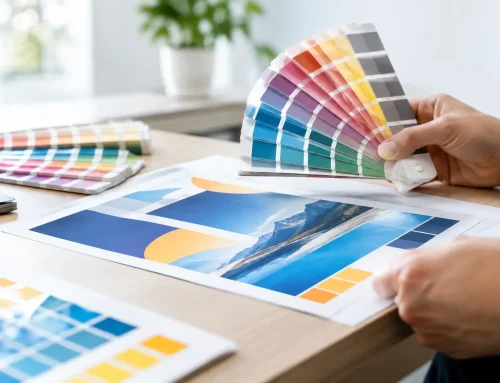
Strong brochure design is not decoration. It organizes attention. Your logo, brand colors, fonts, and imagery should work together so readers recognize the business immediately and know where to look next.
Lead with a benefit that matters to the customer, not an internal description of your company. “Reliable commercial landscaping for properties that need to look their best” is more useful than “We are a full-service landscaping company.” Then support that promise with concise service descriptions, proof points, testimonials, project photos, certifications, or a simple process.
Use professional images whenever possible. Blurry phone photos, generic stock images that do not match your market, and inconsistent visual styles can weaken trust quickly. If stock imagery is the practical choice, select photos that feel believable for your audience and align with the rest of your brand.
Keep the contact path obvious. Include the phone number, website, email, location if relevant, and a direct invitation to take the next step. QR codes can be useful when they send readers to a specific landing page, quote request, menu, or portfolio. They are less useful when they simply send people to a homepage and make them search again.
Avoid the Most Expensive Brochure Mistakes
The most costly printing errors often begin with rushed planning. Incorrect phone numbers, outdated service lists, low-resolution images, missing bleed, and folded panels that do not line up properly can all lead to reprints. Reprints cost money, delay campaigns, and leave your team without the materials they expected.
A proof is your last opportunity to catch issues before production. Review it with fresh eyes and have someone else check it, too. Confirm every contact detail, inspect image quality, read the copy aloud, and make sure fold placement does not cut through key text or faces. If the brochure includes pricing, dates, or compliance information, verify those details with the person responsible for them.
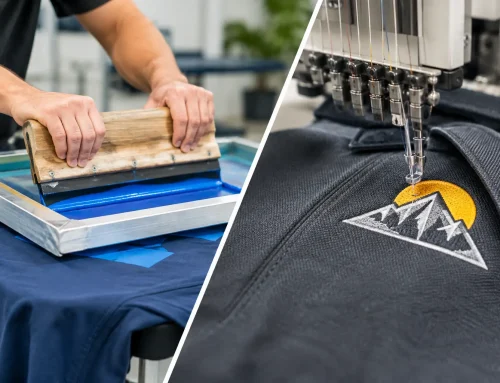
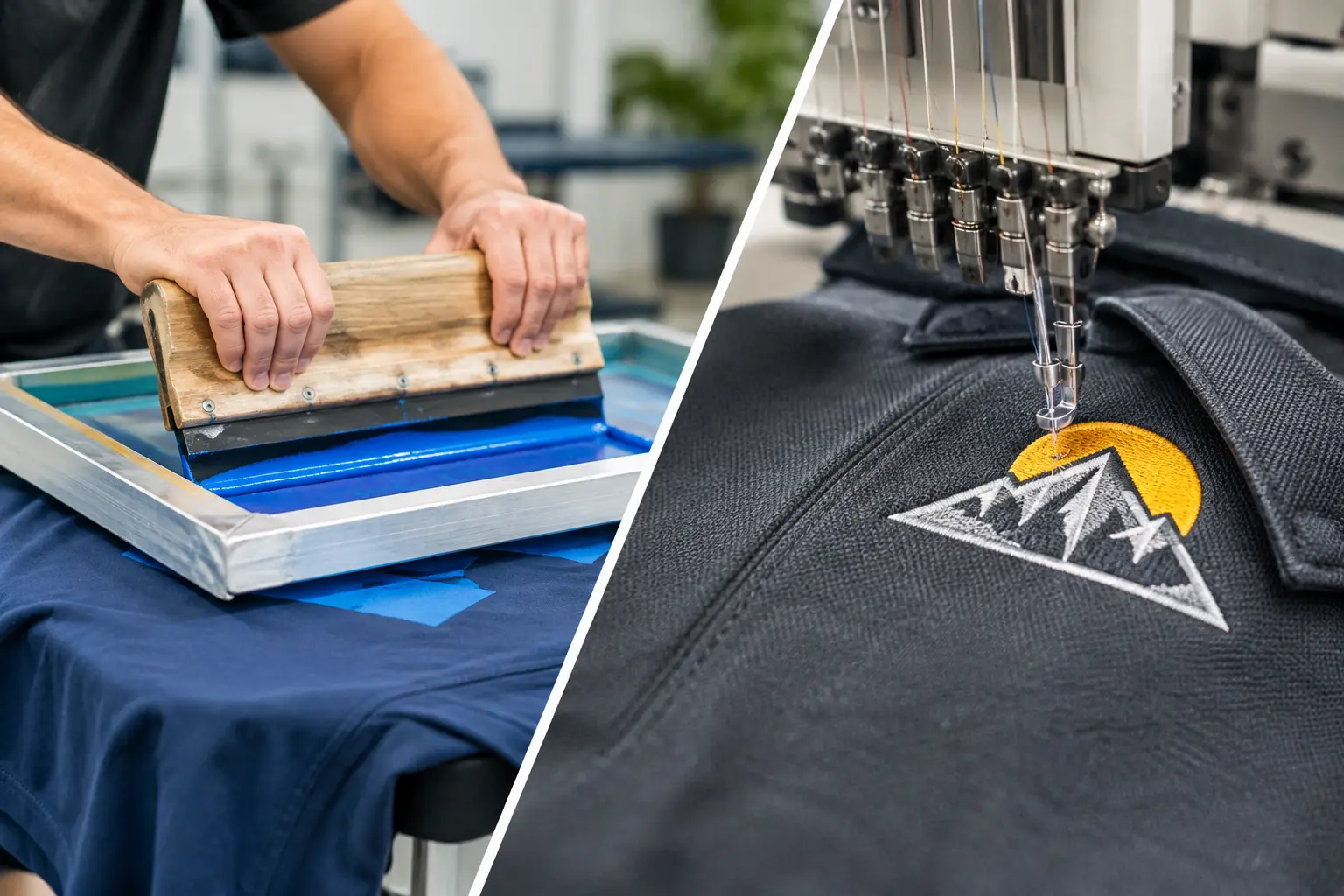
It also helps to think beyond the brochure itself. If the handout uses one set of colors, your business card uses another, and your website tells a different story, the customer experiences three different brands. Coordinating print design with signage, display materials, apparel, postcards, and digital pages makes your marketing work harder without forcing you to reinvent the message each time.
Order the Right Quantity, Not Just the Lowest Price
Printing more copies usually lowers the cost per brochure, but the cheapest unit price is not always the best business decision. If your services, staff, pricing, or branding are likely to change within a few months, ordering a huge quantity can create waste.
Consider how quickly brochures move through your sales process. A busy trade show calendar, multiple office locations, or a direct-mail campaign may justify a larger run. A new service launch or a test of a revised message may call for a smaller order first. Keep enough inventory to support the plan, not enough to fill a storage closet.
Working with one partner for design, printing, and related marketing materials can make this easier. It keeps approved brand assets in one place, reduces handoffs between vendors, and helps prevent the small inconsistencies that turn into expensive corrections later.
A brochure should leave readers with a simple feeling: this business is professional, understands my needs, and is ready to help. When the message, design, and print quality all support that impression, the piece can keep selling long after the conversation ends.