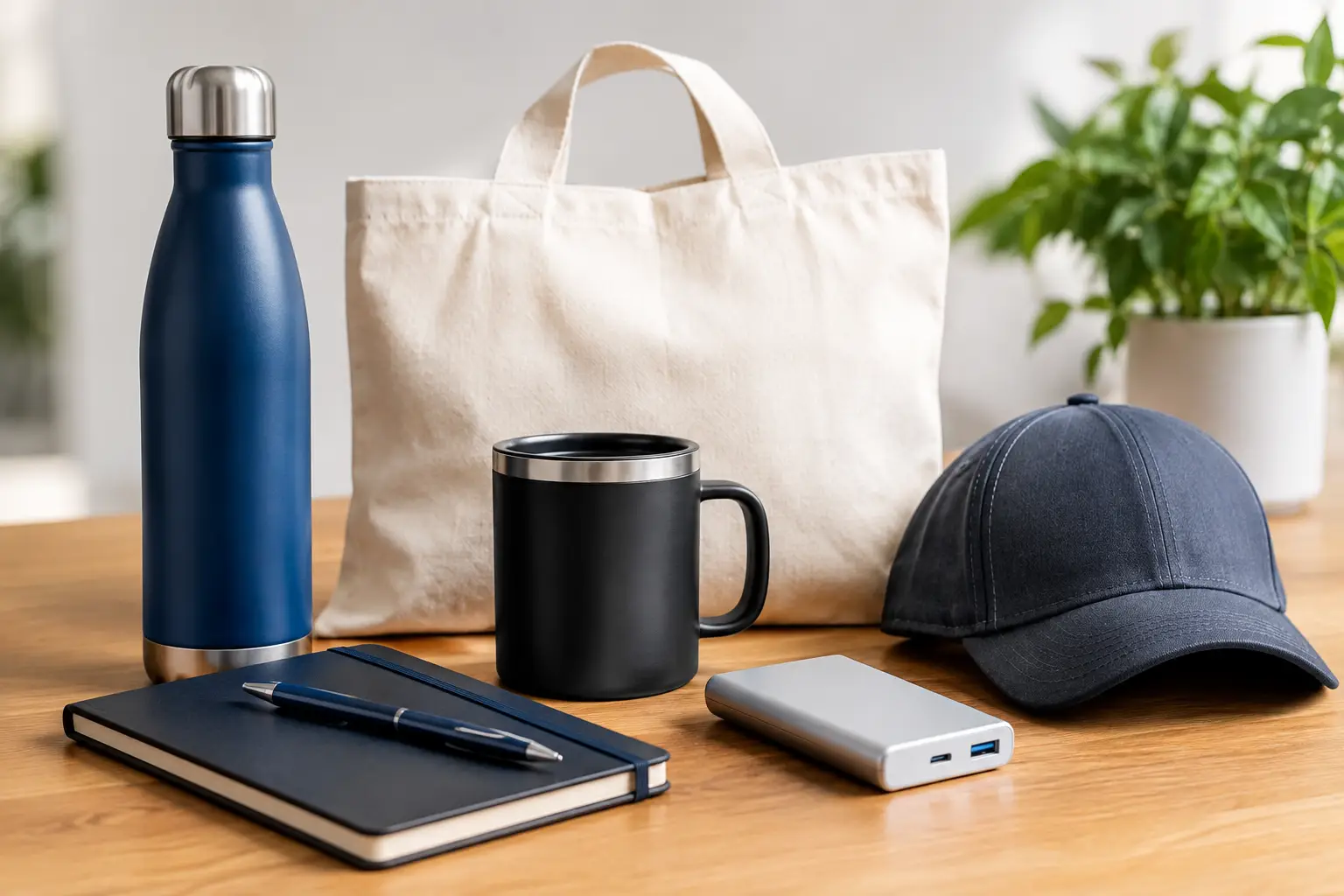
A tote bag handed out at a conference can keep working for your business long after the event banners come down. A cheap novelty item that breaks on the ride home cannot. If you are asking which promotional products last longest, look beyond the item’s shelf life. The best choice is one that holds up physically, stays useful in a customer’s routine, and keeps your logo looking sharp.
For small and mid-sized businesses, that difference matters. Promotional merchandise is not just a giveaway expense. It is a visibility investment. Choosing durable products reduces waste, supports a more professional brand image, and gives each recipient more chances to remember who helped them.
Which Promotional Products Last Longest in Real Use?
The longest-lasting promotional products are usually practical items made from durable materials: insulated drinkware, quality bags, well-made apparel, metal tools, and desk items built for daily use. They are not always the least expensive options upfront, but they often deliver a lower cost per impression because recipients keep them longer.
Longevity has three parts. First, the product must survive normal use. Second, it needs to remain relevant after the initial excitement wears off. Third, the imprint needs to stay readable. A stainless steel tumbler may last for years, but a poor decoration method can still make your brand disappear too soon.
Insulated Drinkware
Stainless steel tumblers, travel mugs, and water bottles are among the strongest long-term choices. People carry them to work, the gym, job sites, and school activities. A useful bottle can become part of a daily routine, putting your logo in front of the owner and everyone nearby.
Quality matters here. Look for double-wall insulation, secure lids, and finishes that resist chips and scratches. Laser engraving is especially effective on compatible metal drinkware because the mark does not peel like a surface print can. For a realtor’s closing gift, an employee recognition program, or a client thank-you package, insulated drinkware carries a higher perceived value than most small handouts.
Reusable Bags
A well-constructed tote, grocery bag, or zippered utility bag can generate repeat exposure for years. It works because the recipient solves a real problem: carrying groceries, supplies, event materials, or office essentials. Unlike a one-time-use plastic bag, a sturdy reusable bag travels.
Choose heavier fabric, reinforced handles, and a shape that fits the intended use. A thin tote may be inexpensive, but it will not represent a professional service business well if the handles fail after a few trips. For local businesses, community events, trade shows, and onboarding kits, a practical bag offers a large branding area without feeling overly promotional.
Apparel People Actually Want to Wear
Apparel can last a long time, but it has one major condition: it must be comfortable and attractive enough to earn a place in someone’s regular rotation. A soft T-shirt, quality polo, quarter-zip, or cap can keep a brand visible for years. A stiff shirt with an oversized logo often becomes a drawer resident.
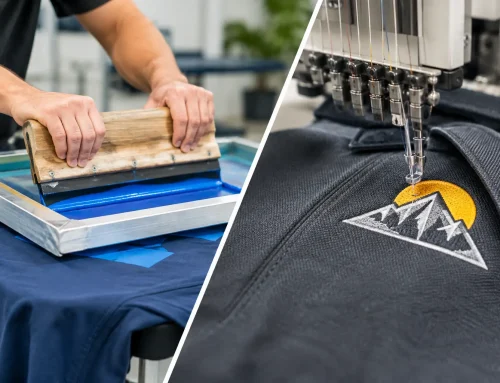
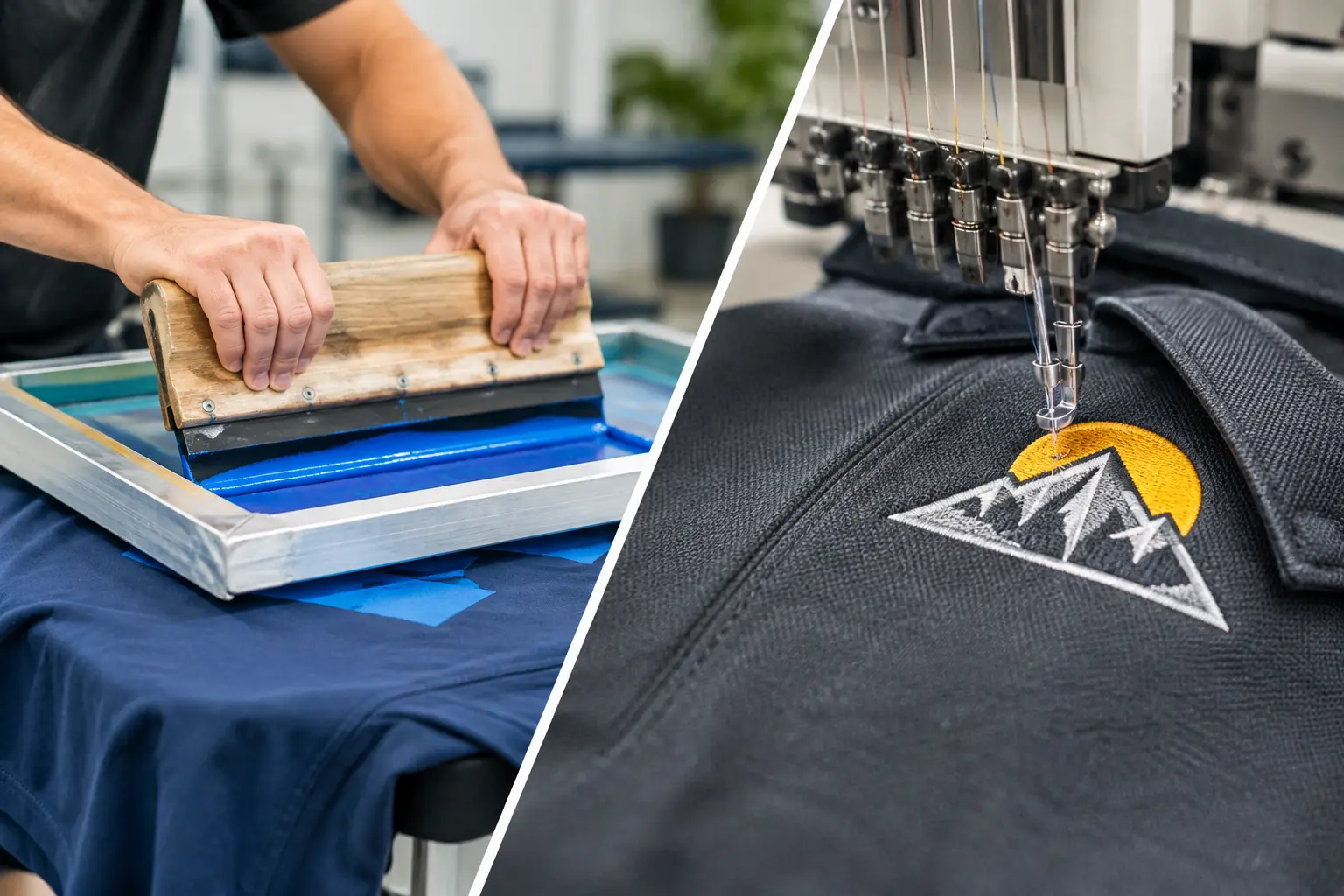
Fabric weight, fit, and decoration method all affect lifespan. Embroidery performs well on polos, jackets, hats, and workwear. Screen printing can be durable when it is done correctly, especially on high-quality garments. For teams that work in front of customers, branded apparel also creates a consistent, credible presence from one employee to the next.
Metal Tools and Useful Everyday Gear
Tape measures, multi-tools, flashlights, key organizers, and screwdriver sets can have an exceptionally long life when matched to the audience. Contractors, property managers, developers, lenders working with homebuyers, and service providers may value these items far more than a generic giveaway.
The trade-off is relevance. A high-quality tool is durable, but it is not the right fit for every campaign. The product should make sense in the recipient’s hands. A home services company giving a branded tape measure at a home show has a natural connection. A financial firm may get better results from premium desk accessories or drinkware.
Desk Items With a Job to Do
Desk items last when they earn their space. Consider metal pens, wireless charging stands, quality notebooks, desktop organizers, and calendars designed for practical use. These products keep a logo in a work setting, where purchasing decisions and referrals often happen.
A pen is only long-lasting if it writes well and can be refilled or used repeatedly. A notebook lasts until its pages are full, so it is better for steady, short-to-medium-term exposure. A charging stand may stay on a desk for years, but technology changes faster than drinkware or bags. Select tech products carefully and avoid features that are likely to become outdated quickly.
Durability Is Only Half the Decision
The promotional item with the longest material lifespan is not automatically the best marketing choice. A cast-metal paperweight can last decades, but it may not get much attention. The best products create frequent, visible use.
Think about where the item will live. A tumbler goes to meetings and errands. A tote appears at stores, events, and workplaces. A polo can be worn by a field team every week. Those repeated public moments create impressions that a product sitting in a desk drawer cannot match.
Also consider the relationship you are building. For a quick event handout, a dependable pen or tote may be the right balance of cost and retention. For a high-value prospect, employee anniversary, or closing gift, upgraded drinkware, apparel, or a useful tool creates a stronger signal: your business pays attention to quality.
Choose Materials and Imprints That Hold Up
A durable product deserves a durable branding method. This is where businesses often lose value. They invest in a good item, then choose decoration based only on the lowest price.
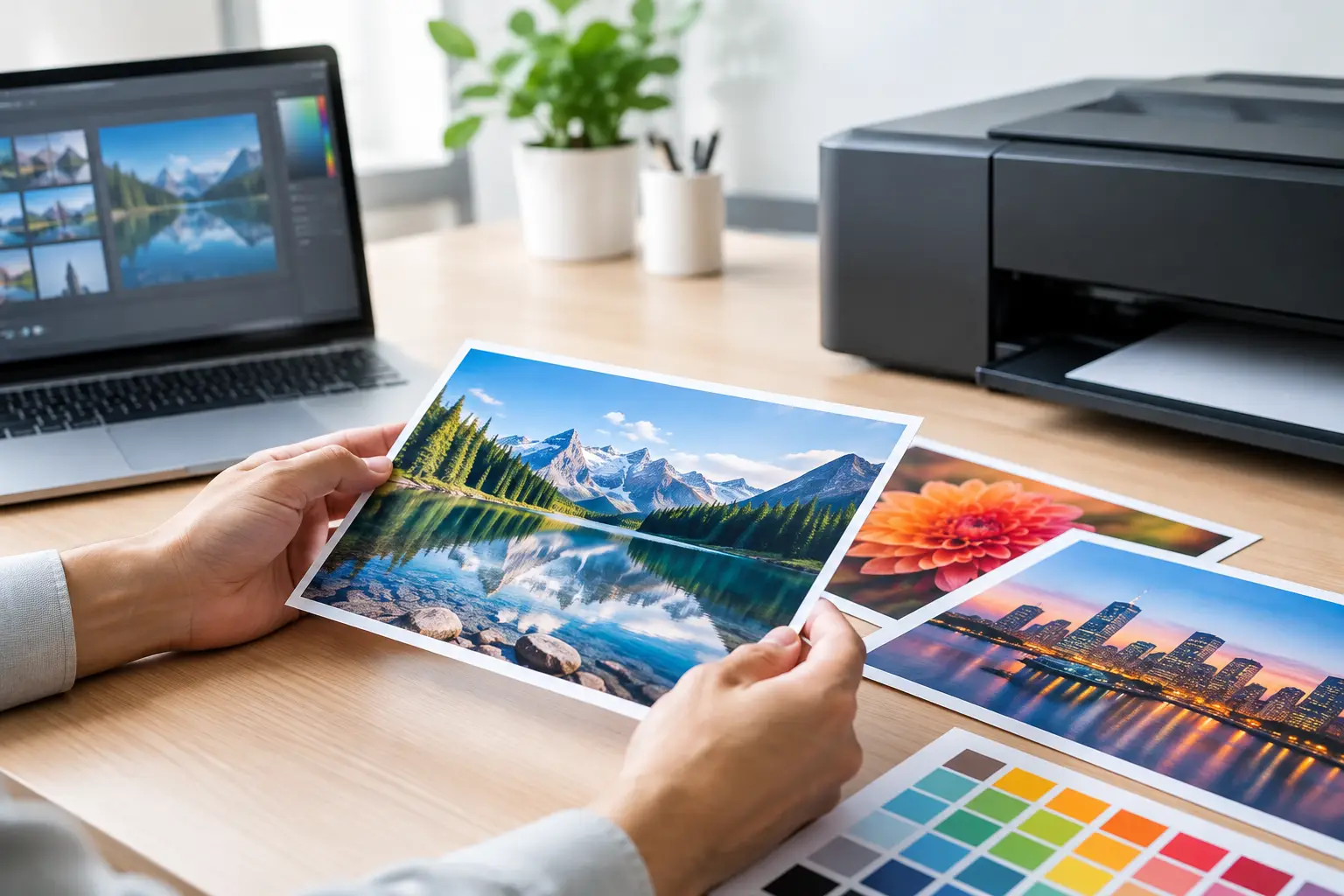
Laser engraving is a strong choice for metal drinkware and some tools. Embroidery is reliable for many apparel and bag applications. Screen printing works well for apparel, totes, and promotional pieces when the ink, curing, and garment are right for the job. Full-color digital printing can create striking detail, though it may be less suitable for high-abuse items depending on the material and finish.
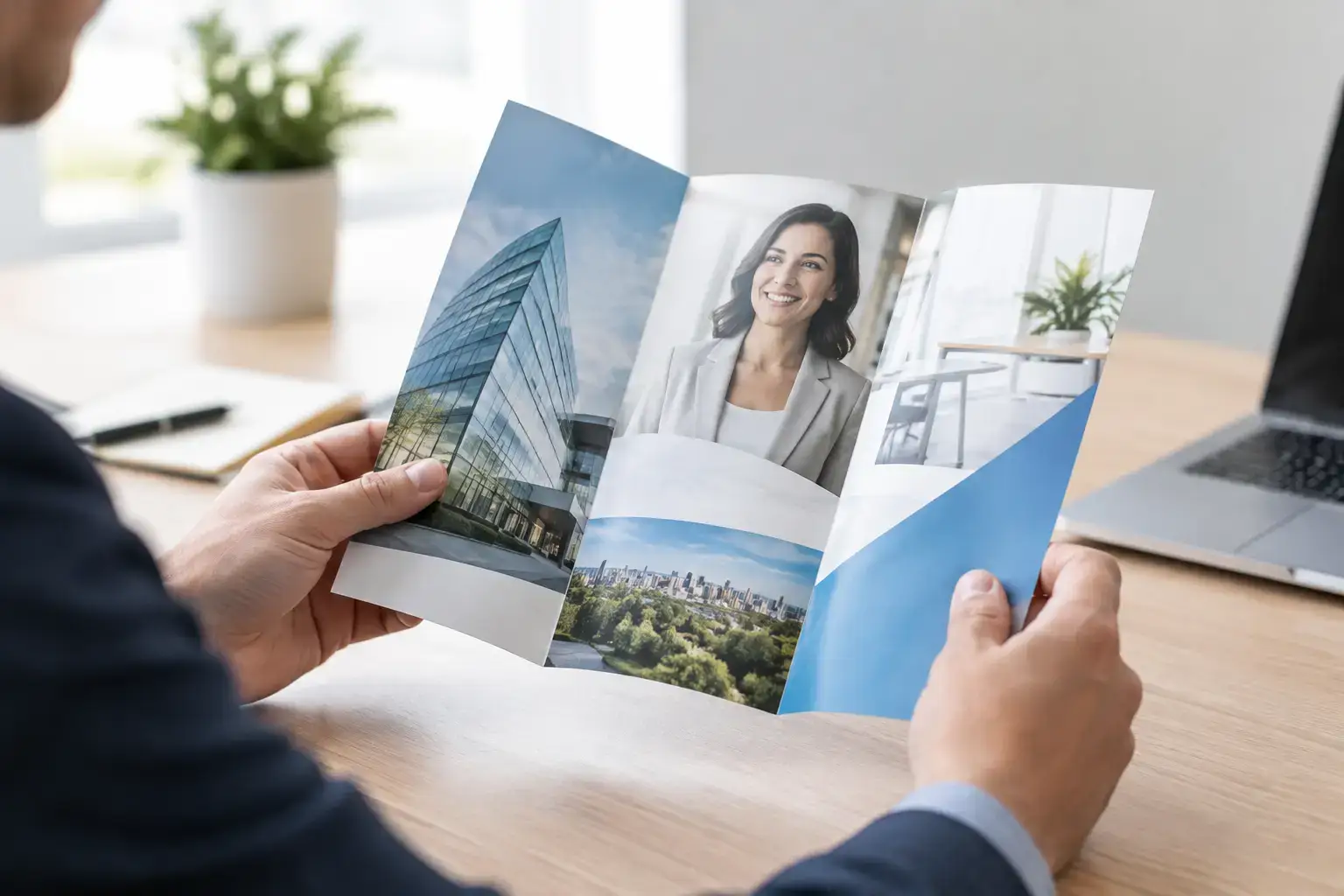
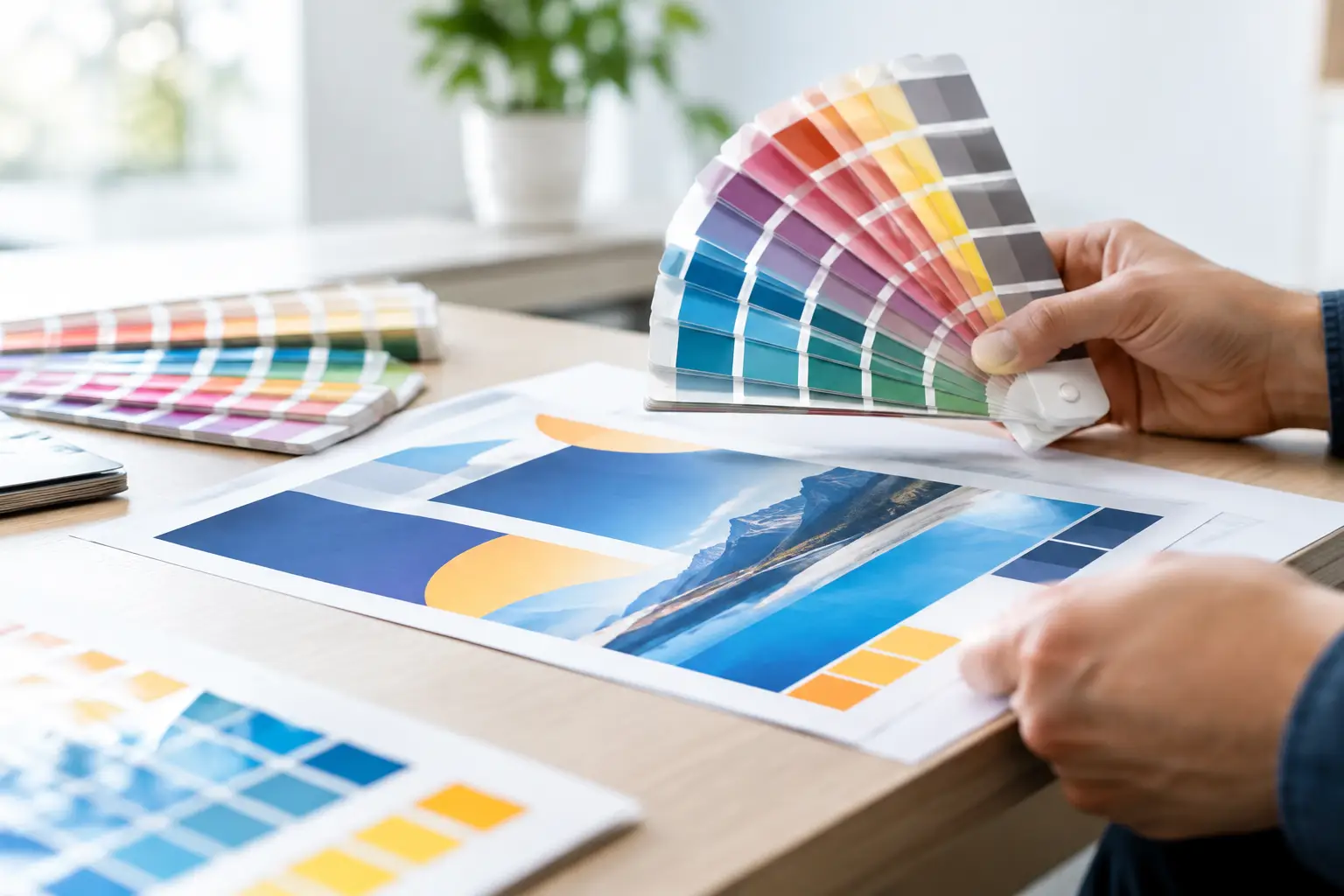
Your logo design also affects how well an imprint ages. Fine lines, tiny type, and crowded details can become hard to read on small products. A simplified logo variation may produce a cleaner result without sacrificing brand recognition. Consistent color, typography, and placement across merchandise, print materials, and your website make the whole brand feel more established.
Avoid Products That Create Fast Waste
Low-cost items have a place, especially when you need large quantities for a festival, open house, or trade show. But low cost should not mean disposable. Products that crack, leak, stop working, or look dated immediately can hurt more than they help.
Be cautious with ultra-cheap plastic drinkware, flimsy chargers, novelty electronics, poor-quality stress toys, and apparel with uncomfortable fabric. The problem is not that these products are always wrong. The problem is that they often create a short-lived interaction with your brand.
If the budget is tight, choose one simple item that works well rather than several weak items. A dependable pen, a solid reusable tote, or a useful notepad can outperform a table full of forgettable giveaways.
Match the Product to the Campaign
Start with the audience and the moment. A service company building neighborhood awareness may benefit from reusable bags and drinkware. A B2B firm preparing for a trade show may want premium notebooks, pens, and portable chargers for qualified leads. A real estate professional can use branded home-related tools or quality closing gifts. An internal team may get more value from embroidered apparel that builds pride and creates a polished, unified appearance.
Then consider quantity, budget, and distribution. A product given personally can justify more investment because it supports a meaningful business relationship. A product placed in a high-traffic event booth needs immediate usefulness and enough inventory to reach the right people.
The goal is not to find the item that lasts forever. It is to choose the item that stays useful long enough to make your brand memorable, while fitting the people and campaign behind it. When product selection, logo treatment, and overall brand presentation work together, promotional merchandise stops being clutter and starts doing its job.