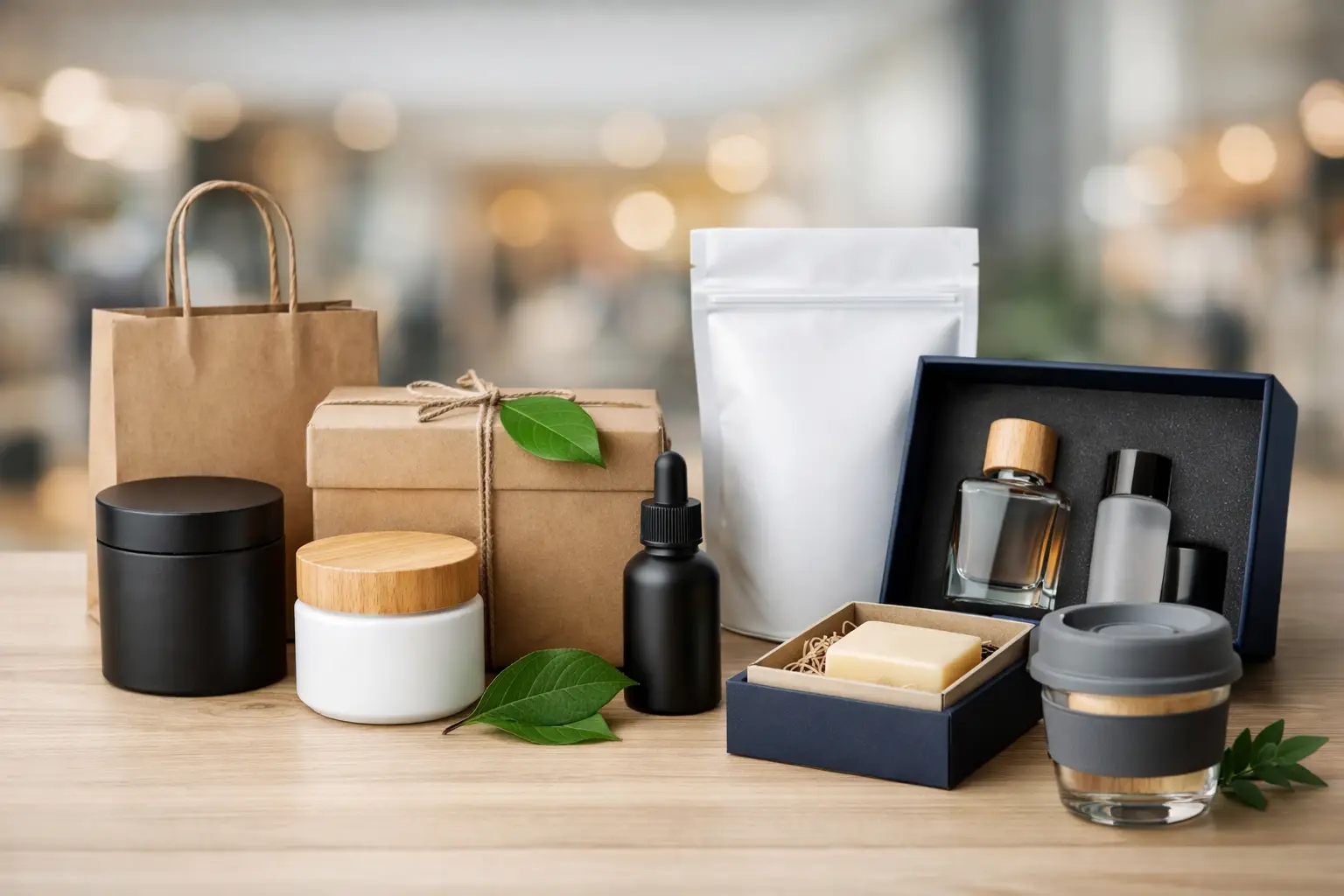
A customer may only hold your product for a few seconds before deciding whether it feels worth their money. Retail packaging trends are changing that moment from a basic handoff into a practical brand-building opportunity. For small and mid-sized businesses, the goal is not to chase every new packaging look. It is to choose packaging that protects the product, reflects your brand, and makes the buying experience easier to remember.
The best packaging decisions balance appearance with operations. A box that photographs well but is costly to ship, difficult to assemble, or inconsistent from order to order can create more headaches than value. The trends worth watching are the ones that help businesses look more professional while reducing waste, errors, and unnecessary expense.
Retail Packaging Trends That Matter for Growing Brands
Sustainable materials with a clear purpose
Customers increasingly notice how much material surrounds a product. They also notice when a company makes vague environmental claims without changing anything meaningful. That is why practical sustainability is gaining ground over packaging that simply looks “eco-friendly.”
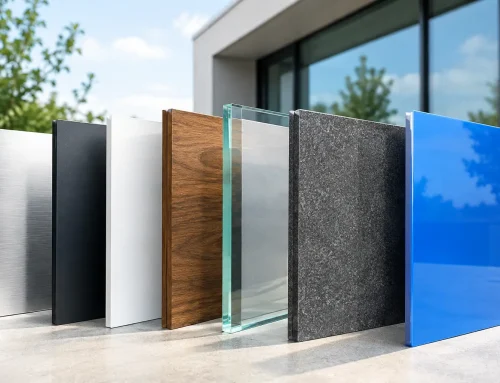
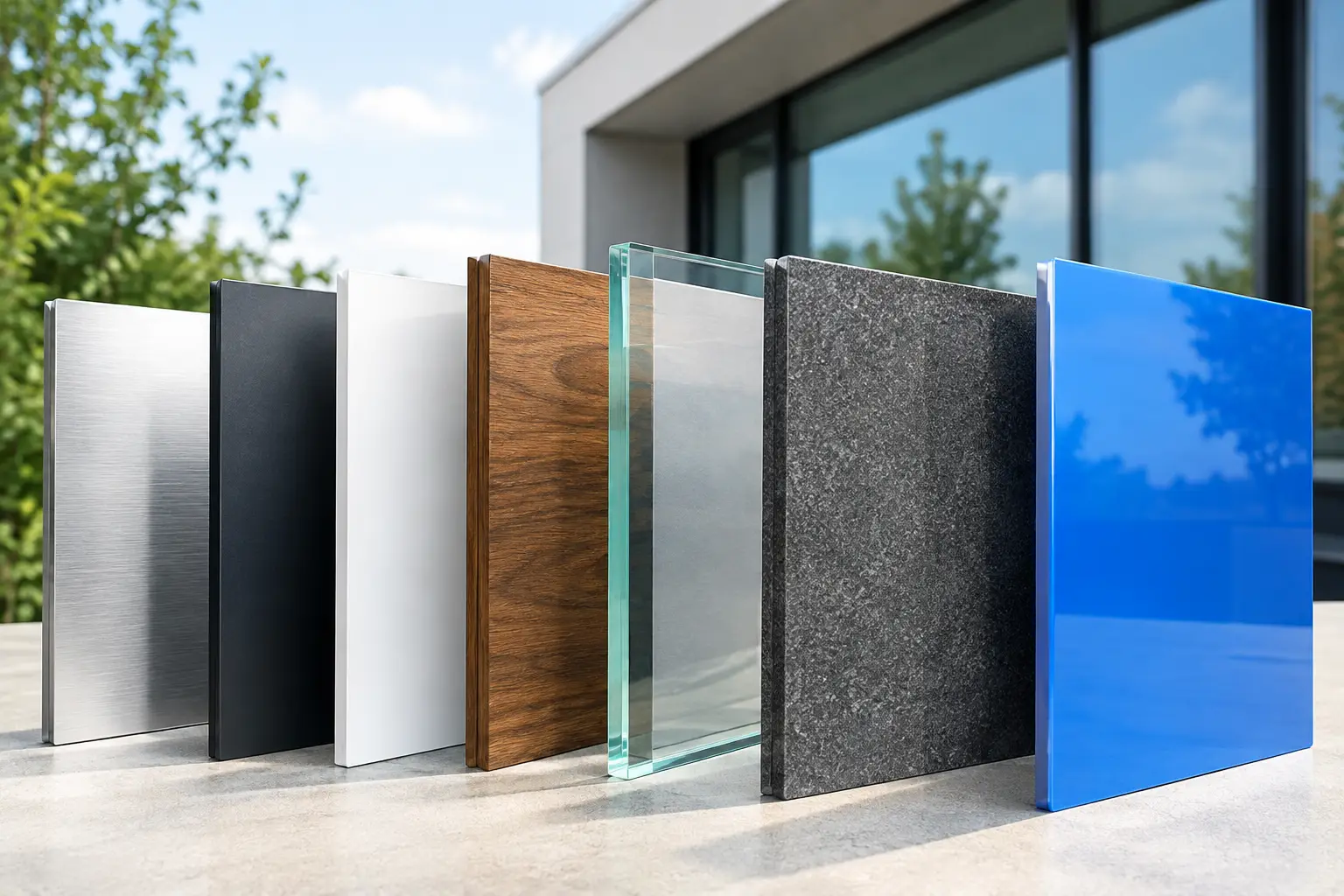
Recyclable paperboard, post-consumer recycled materials, compostable mailers, and reduced-plastic designs are all useful options when they fit the product and shipping environment. The right choice depends on what you sell. A candle, a skincare product, a bakery item, and a piece of electronics equipment have very different protection requirements.
Less material can be a smart move, but only if it does not increase damage in transit. Replacing oversized boxes with right-sized packaging can lower shipping costs and reduce filler. Using one versatile box size across several products can also simplify inventory. Those operational savings often matter as much as the sustainability message.
If you use environmentally conscious materials, explain the decision in plain language. A small printed note such as “Please recycle this box” is more credible and useful than a large claim that leaves customers guessing.
Packaging designed for the unboxing moment
Unboxing remains a strong retail and social media influence, but it is no longer only for luxury brands. People respond to details that show care: a neatly folded insert, an easy-open tab, a thank-you message, or tissue paper in a recognizable brand color.
The key is restraint. A memorable experience does not require five layers of packaging. In fact, excessive materials can feel wasteful and slow down the customer. One or two well-designed details usually make a stronger impression than a box full of extras.
For example, a local service business selling welcome kits could use a branded folder, a custom insert card, and a useful promotional item. A retailer shipping products nationwide may benefit more from a printed mailer, a consistent packing slip, and a simple product-care card. Both approaches reinforce the brand, but they serve different customer needs.
Bold color and simpler visual systems
Shelf space and shipping boxes are crowded with visual noise. Many brands are responding with simpler packaging layouts, stronger color blocks, and easier-to-read type. The result is packaging that can be recognized quickly from a distance or in a photo.
This does not mean every package should be loud. A refined, neutral palette can work well for professional services, health-focused products, premium home goods, or B2B kits. What matters is consistency. Your logo, colors, typography, and message should look like they belong to the same business across packaging, business cards, signage, promotional products, and your website.
A common mistake is treating packaging as a separate creative project. When the package uses a different logo version, off-brand colors, or generic messaging, it weakens the trust built elsewhere. Consistent design helps customers recognize you faster and makes a smaller company appear more established.
Clear product information that earns confidence
Modern packaging has to work hard. It needs to identify the product, answer common questions, communicate instructions, and meet any required labeling rules. Buyers should not need to search online to understand what they purchased or how to use it.
Clear information is especially important for food, cosmetics, supplements, home-care products, and technical items. But it also matters for apparel, gift products, and corporate merchandise. Size, care instructions, contents, contact details, and return information should be easy to find.
The trend is toward cleaner information hierarchy rather than smaller type crammed into every open space. Lead with what customers need first. Use concise language, logical grouping, and enough contrast for readability. If a package includes a QR code, give it a specific job, such as accessing setup instructions, warranty registration, product care, or a reorder page. A random code with no explanation does not add value.
Limited editions and seasonal flexibility
Short-run packaging is becoming more practical for businesses that want to support seasonal promotions, events, new product launches, or regional campaigns. Digital printing and flexible production methods make it easier to produce smaller quantities without committing to a warehouse full of outdated boxes.
This approach can create urgency and give customers a reason to come back. A real estate team might create branded closing gift packaging for different neighborhoods. A food business may release holiday labels or event-specific sleeves. A B2B company can package promotional kits for trade shows or client onboarding.
There is a trade-off. Too many versions can confuse customers and complicate fulfillment. Keep the core package consistent, then use a label, sleeve, sticker, insert, or printed card to carry the campaign message. That protects your brand system while allowing room for timely promotions.
How to Choose Packaging Trends Without Creating More Work
Start with the customer journey, not the trend. Ask where the package will be seen, how it will be handled, and what the customer needs at that moment. Retail shelf packaging must stand out and communicate fast. E-commerce packaging must survive shipping and be easy to open. Client kits need to feel organized and intentional.
Next, define the job your packaging must do. It may need to reduce breakage, support a higher price point, make reorders easier, create a better gift experience, or reinforce credibility during a sales presentation. A single package can do several things, but one priority should lead the design decisions.
Then look at the full brand system. Packaging is more effective when it matches the materials around it: your website, product labels, direct mail, displays, apparel, and sales collateral. This is where working with one branding and production partner can reduce costly disconnects. The designer understands the brand standards, the printer understands the production requirements, and your team spends less time correcting avoidable mistakes.
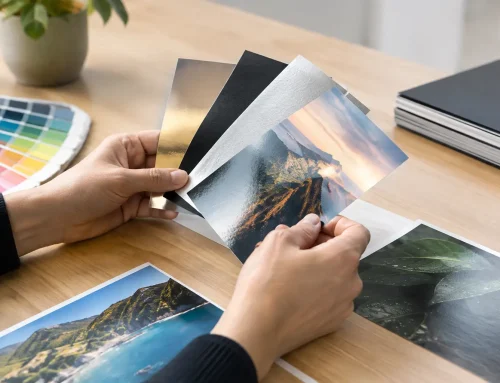
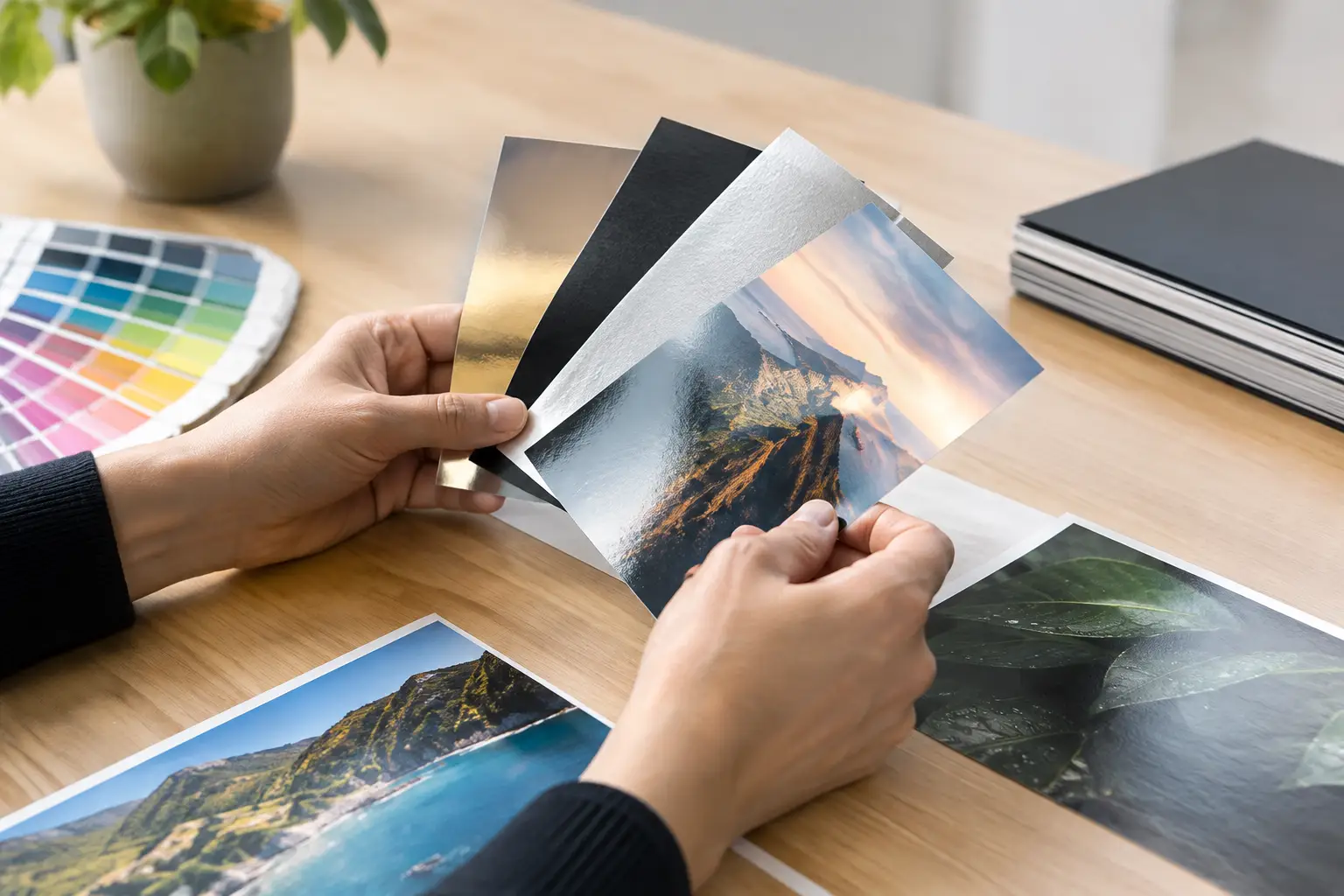
Before committing to a large run, review a physical sample. Screens cannot show the true feel of a paper stock, the durability of a finish, the strength of an adhesive, or how a color changes under store lighting. Test the package with the actual product inside. Ship it if it will be mailed. Ask employees and a few customers whether it is easy to open, clear to understand, and worth keeping.
Where Packaging Can Improve Sales Without Saying More
The strongest packaging often does not try to say everything. It makes the product feel considered. It reassures the customer that the business behind it pays attention to details. That confidence can support repeat purchases, referrals, and a more professional first impression.
For businesses with tight budgets, start with the highest-impact touchpoint. That could be a better label, a branded insert, a custom box sticker, or packaging that finally uses your correct logo and colors. You do not need a complete redesign to make a meaningful improvement.
Good retail packaging should make the next step feel obvious: open it, use it, keep it, reorder it, or tell someone about it. When the materials, message, and experience all work together, your package stops being an expense customers throw away and becomes another reason they remember your brand.