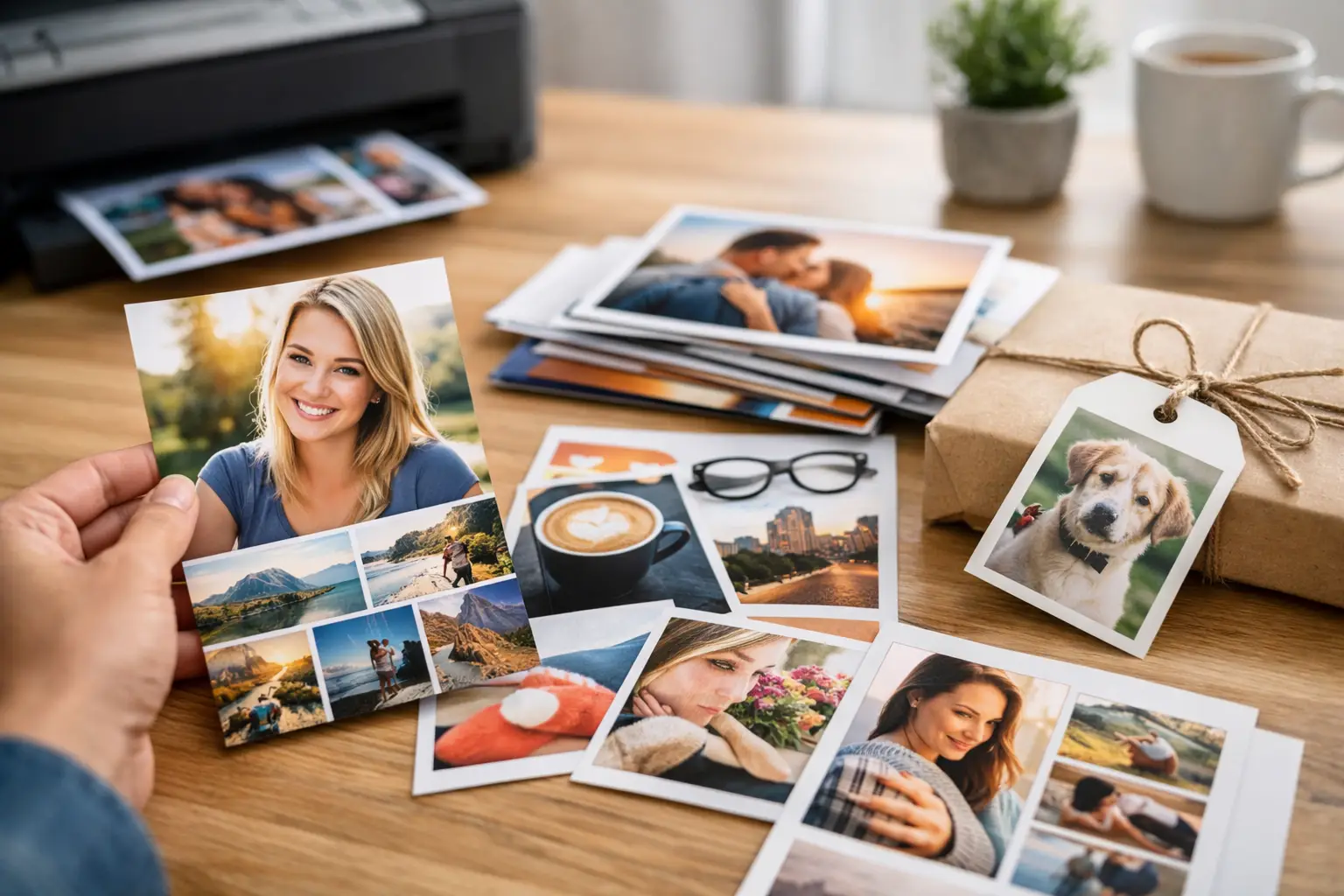
A postcard addressed to “Current Resident” has one job: avoid the trash. A postcard that speaks to a homeowner’s neighborhood, service need, or recent inquiry has a better chance to start a conversation. That is why print personalization trends matter to businesses that want their marketing dollars to produce real attention, not just more paper.
Personalized print is no longer limited to adding a first name to a direct mail piece. With the right customer data, design system, and production plan, businesses can tailor messages, offers, images, and calls to action without making their brand look fragmented. The result is marketing that feels more relevant while remaining professional and easy to manage.
Personalization Is Moving Beyond the Name
First-name personalization can still help, but it is rarely enough on its own. People recognize when a message is generic, even when it includes their name in large type. The most effective personalized print connects to a real reason the recipient should care.
For a local service company, that may mean creating different mailers for homeowners, property managers, and commercial facilities. A real estate professional may use neighborhood-specific market data or recently sold properties. A B2B company may build follow-up materials around the industry, job title, or service challenge discussed at a trade show.
The goal is not to make every piece completely different. It is to make the variable parts meaningful. A consistent brand foundation – logo, colors, typography, voice, and layout – keeps the campaign recognizable. Targeted details make it feel timely.
The Print Personalization Trends Worth Watching
The strongest trend is practical: businesses are using personalization to make existing marketing materials work harder. That means fewer broad, one-size-fits-all campaigns and more focused versions built around audiences, locations, and stages of the buying process.
Variable data printing is becoming more strategic
Variable data printing allows selected elements in a printed piece to change from recipient to recipient. Names and addresses are the familiar examples, but the technology can also change headlines, photos, offers, QR codes, maps, branch information, and product recommendations.
This creates useful options for small and mid-sized businesses. A lender can send different messages to first-time buyers and homeowners exploring refinancing. A contractor can feature seasonal services that fit a specific neighborhood. A developer can create audience-specific brochures for investors, tenants, or prospective buyers.
The trade-off is preparation. Variable data printing only performs well when the data is clean and the design is planned for variation. Incorrect names, outdated addresses, or mismatched offers create the exact kind of mistake personalization is meant to prevent. Start with a manageable audience segment, verify the data, and use a clear approval process before production.
QR codes are connecting print to a next step
A printed piece should not have to carry every detail. More businesses are using personalized QR codes to move recipients from a postcard, brochure, sales sheet, or event handout to a focused digital experience.
The best use is specific. A code on a postcard can lead to a landing page for that exact service or offer. A trade show leave-behind can direct attendees to a product demo, appointment calendar, or downloadable resource. A real estate flyer can send prospects to a property page with current details and contact options.
Personalized codes can also help measure response by audience, campaign, or location. That gives businesses a clearer view of which print messages are creating action. Still, the destination must deliver. Sending someone to a generic homepage after promising a local offer creates friction and weakens trust.
Audience-specific design is replacing generic templates
One design does not always fit every buyer. Personalization is showing up in imagery, proof points, and message hierarchy as much as it is in data fields.
A business selling to homeowners may lead with convenience, safety, and visible results. The same business selling to facility managers may need to lead with reliability, maintenance schedules, compliance, or service capacity. The logo should look the same, but the conversation should change.
This is where a brand system matters. Instead of reinventing every campaign, businesses can build approved layouts and messaging blocks that adapt to each audience. That reduces production headaches, speeds up future campaigns, and protects brand consistency across print, web, apparel, promotional products, and event materials.
Triggered print is making follow-up more timely
Timing often matters as much as creative. Triggered print is sent after a specific action or event, such as a new inquiry, a proposal request, an event registration, a completed project, or a period of customer inactivity.
For example, a B2B firm may send a polished printed introduction kit after a prospect requests information. A service company may send a thank-you postcard and referral offer after completing a job. A business that meets prospects at an event can send a tailored follow-up piece while the conversation is still fresh.
Not every situation needs printed follow-up. Email is faster and less expensive for many messages. Print earns its place when the offer has value, the sales cycle is meaningful, or the goal is to stand out from a crowded inbox. Used together, digital and print can reinforce each other instead of competing.
Personalized dimensional mail and promotional items are gaining ground
Flat mail still has a role, especially when budgets and mailing volume matter. But high-value prospects and key accounts may justify something more memorable. Personalized kits, branded merchandise, custom packaging, and dimensional mail can create a stronger moment of recognition.
A thoughtful item should support the message, not distract from it. A branded notebook paired with a meeting invitation can make sense for a professional services firm. A practical giveaway at a trade show can keep a brand visible after the event. Adding a recipient’s name or tailoring the enclosed message makes the package more relevant.
Cost is the obvious consideration. These pieces work best when they are targeted to a defined list of qualified prospects, referral partners, employees, or clients. Sending expensive kits to an unqualified mass audience can drain a budget quickly.
How to Personalize Print Without Creating More Work
Personalization should simplify marketing decisions, not create a new pile of approvals. Start with a business objective: generate estimates, book meetings, drive event attendance, bring customers back, or support a sales follow-up. Then choose the audience most likely to respond.
From there, identify what information will make the message more useful. It may be location, customer type, previous service, industry, event attendance, or buyer stage. Do not collect or use data simply because it is available. The personal detail must earn its space on the piece.
Keep the campaign structure controlled. One strong base design with a limited number of message variations is often more effective than dozens of loosely managed versions. This is especially true when the same campaign includes postcards, brochures, landing pages, signage, and promotional items. Consistent execution builds credibility.
Finally, make the response path obvious. Use one clear call to action, whether that is scanning a QR code, calling a dedicated number, scheduling a consultation, or visiting a campaign page. If results can be tracked, review them before the next run. Personalization improves over time when businesses learn which messages, offers, and segments perform best.
Privacy and Trust Still Matter
Personalized marketing can feel helpful or intrusive depending on how it is handled. Businesses should use information they have collected appropriately, protect customer data, and avoid language that makes recipients wonder how much the company knows about them.
A neighborhood-specific message is usually useful. Overly detailed references to a person’s behavior, finances, or private circumstances may feel uncomfortable. When in doubt, focus on relevance rather than surveillance. Good personalization says, “This may be useful to you,” not, “We have been watching you.”
Print remains a powerful credibility tool because people can hold it, share it, and refer back to it. When it carries a message that fits the recipient and looks consistent with the rest of your brand, it does more than get noticed. It gives the next conversation a stronger place to begin.