A postcard arrives with the wrong shade of blue. A trade show banner is two inches too narrow. Business cards look fine on a screen but feel flimsy in a prospect’s hand. These are not small details when your printed materials represent your business.
The online printer versus local printer decision is not simply about finding the lowest price. It affects turnaround time, proofing, material quality, communication, and how consistently your brand shows up across every customer touchpoint. For small and mid-sized businesses, the right choice depends on what you are printing, how much support you need, and what happens if something goes wrong.
Online Printer Versus Local Printer: The Real Difference
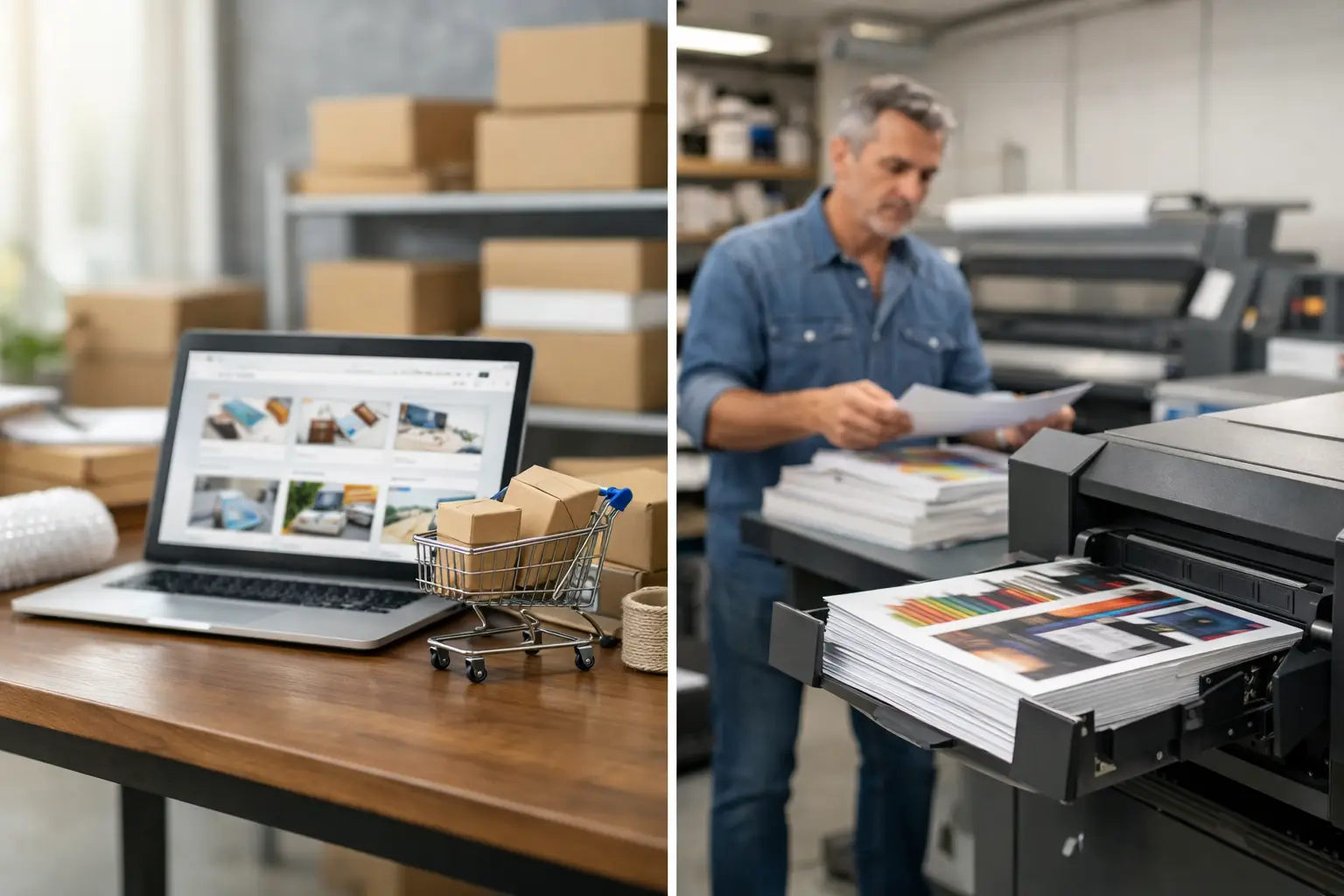
Online printers are built for speed, volume, and standardized ordering. You choose a product, upload artwork, select paper and finishing options, approve the proof, and wait for shipment. This model can work well for straightforward reorders, especially when you already have press-ready files and know exactly what you need.
A local printer brings a person into the process. You can discuss the job before it goes to press, look at paper samples, review a physical proof when appropriate, and get help solving an unusual production issue. That hands-on access is valuable when the printed piece needs to do more than put ink on paper. It needs to reinforce a professional, recognizable brand.
Neither option wins every time. The better question is: what level of certainty, flexibility, and support does this particular project require?
When an Online Printer Makes Sense
Online printing is often a practical fit for high-volume, repeatable items. If your company has approved artwork, standard specifications, and enough lead time for shipping, online ordering can be efficient. It is especially useful for simple postcards, flyers, event handouts, and basic business card reorders.
The pricing can be attractive because large online operations combine many jobs on the same press run. That volume reduces the cost per piece, particularly on larger quantities. For a 5,000-piece mailer with a standard size, standard stock, and no special handling, the savings may be meaningful.
The trade-off is that the online price is rarely the full decision. Shipping, rush fees, tax, packaging, and reprint time can change the math. A low unit price does not help much if your order arrives after an event or if a file issue forces you to start over.
Online printers also assume you can manage the technical side of the job. Their upload tools may flag low-resolution images or missing bleed, but they cannot always tell whether your logo is too small to read, whether your gray will print too warm, or whether your sales message is crowded and hard to scan. The file may be technically acceptable while the finished piece still falls short.
Where Local Printing Adds Value
Local printing is strongest when your project has stakes, variables, or a tight deadline. Think trade show displays, presentation folders, restaurant menus, property brochures, yard signs, direct-mail pieces, event materials, and anything that needs to match an existing brand color closely.
A local partner can help you choose the right stock, finish, folding method, and format before production starts. That matters because print decisions change how people perceive your company. A thick uncoated business card may feel credible and personal for a financial advisor. A glossy finish might make sense for a product-heavy real estate brochure. The best choice is not universal.
Communication is another advantage. Instead of submitting a ticket and hoping the response arrives in time, you can ask direct questions and get clear answers. If a deadline moves up, a local printer may be able to adjust production or suggest a practical alternative. If a proof reveals a problem, there is someone accountable for helping resolve it.
Local service can also reduce costly mistakes. A printer who knows your business is more likely to notice when an outdated phone number appears on a new postcard, when a logo file does not match previous materials, or when a requested quantity does not make sense for the campaign. Those checks protect more than the print budget. They protect your credibility.
Cost Is More Than the Price Per Piece
It is easy to compare quotes line by line. It is harder, and more useful, to compare the total cost of getting a usable finished product in hand.
With an online printer, the visible price may be lower for a standardized job. But consider the hidden costs of revisions, shipping, delayed delivery, incorrect specifications, and staff time spent managing files. If your office manager has to troubleshoot an upload, reorder a flawed batch, and explain the delay to the sales team, the savings disappear quickly.
A local printer may quote more on some items because the job includes consultation, proofing, delivery, or specialized attention. That higher upfront cost can be worthwhile when it prevents a mistake that would otherwise cost hundreds or thousands of dollars in wasted materials, missed opportunities, or rushed replacement orders.
For routine reprints, price should carry more weight. For brand-critical materials, certainty should carry more weight. A smart print strategy does not force every project through the same vendor or the same process.
Quality Depends on the Details You Can Control
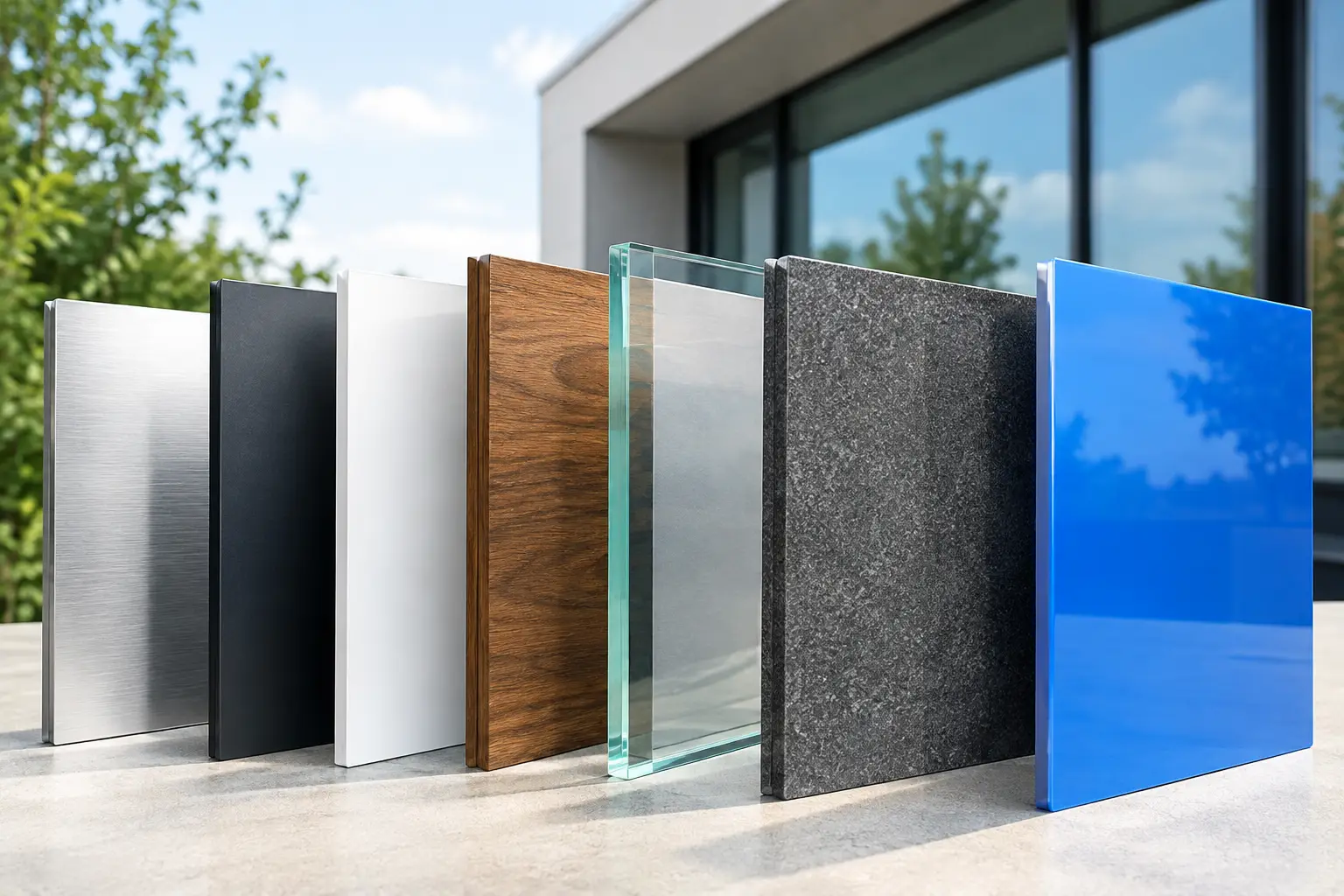
Many business owners assume all full-color printing is the same. It is not. Paper weight, coating, ink coverage, finishing, trimming, folding, and color calibration all affect the final result.
Online printers offer plenty of preset options, but presets are not the same as guidance. If you are unsure whether 100 lb. text stock is substantial enough for a brochure, whether soft-touch lamination fits your brand, or whether your design needs a spot color, a local expert can help you make a decision before money is committed.
Color is a frequent source of frustration. Screens display color with light, while printers reproduce it with ink. Your brand’s bright blue, deep green, or signature orange may shift depending on the file setup, paper, press, and finish. If color consistency matters across business cards, signage, apparel, brochures, and promotional products, working with a partner who understands your brand standards becomes far more valuable.
That is where an integrated provider such as Echo Brand Geeks can simplify the process. When design, print, digital assets, signage, and promotional merchandise are coordinated through one team, there are fewer chances for an outdated logo, mismatched color, or inconsistent message to slip into the market.
Turnaround Time Has Two Parts
Businesses often compare only production time: two days versus five days. The more important measurement is total time from idea to delivery.
An online order may move quickly once the artwork is correct and approved, but shipping adds another variable. Weather, carrier delays, damaged packages, and cutoff times can all affect delivery. Rush shipping is available, but it can turn an affordable job into an expensive one.
A local printer can be faster for urgent jobs because there is no shipping leg. More importantly, local communication can shorten the time before production. A quick conversation about file setup or paper availability may prevent days of email exchanges and revision cycles.
Still, local does not automatically mean immediate. Specialty stocks, custom die cuts, large-format materials, and complex finishing can require additional time wherever you order. Ask for the in-hand date, not just the production date, and build in a buffer for anything tied to an event, grand opening, or sales campaign.
How to Choose the Right Printing Partner
Start with the job, not the vendor label. If the piece is a simple reorder with approved files and flexible timing, an online printer may be an efficient choice. If it is a first run, a high-visibility piece, a time-sensitive order, or part of a broader brand campaign, local guidance is usually worth considering.
Before placing an order, get clear on four things: the purpose of the piece, the audience receiving it, the deadline for having it in hand, and the consequences of an error. A low-risk coupon flyer and a boardroom presentation folder should not be evaluated the same way.
Also consider whether you are solving one print need or building a repeatable marketing system. Businesses that rely on disconnected vendors often end up recreating files, chasing approvals, and correcting inconsistencies. A printer who understands your brand can make future orders faster, easier, and more reliable.
The best print decision is the one that helps your business show up professionally without creating extra work behind the scenes. Choose the option that gives your team the right balance of cost, control, and confidence – then keep your approved brand files organized so the next project starts on solid ground.