A branded stress ball might get a quick smile at a trade show. A well-chosen desk item, client kit, or useful tech accessory can stay in view for months. That is the difference that makes b2b promotional merchandise ideas worth planning carefully. In B2B, the goal is rarely impulse buying. It is staying memorable, looking credible, and giving prospects or clients one more reason to keep your company top of mind.
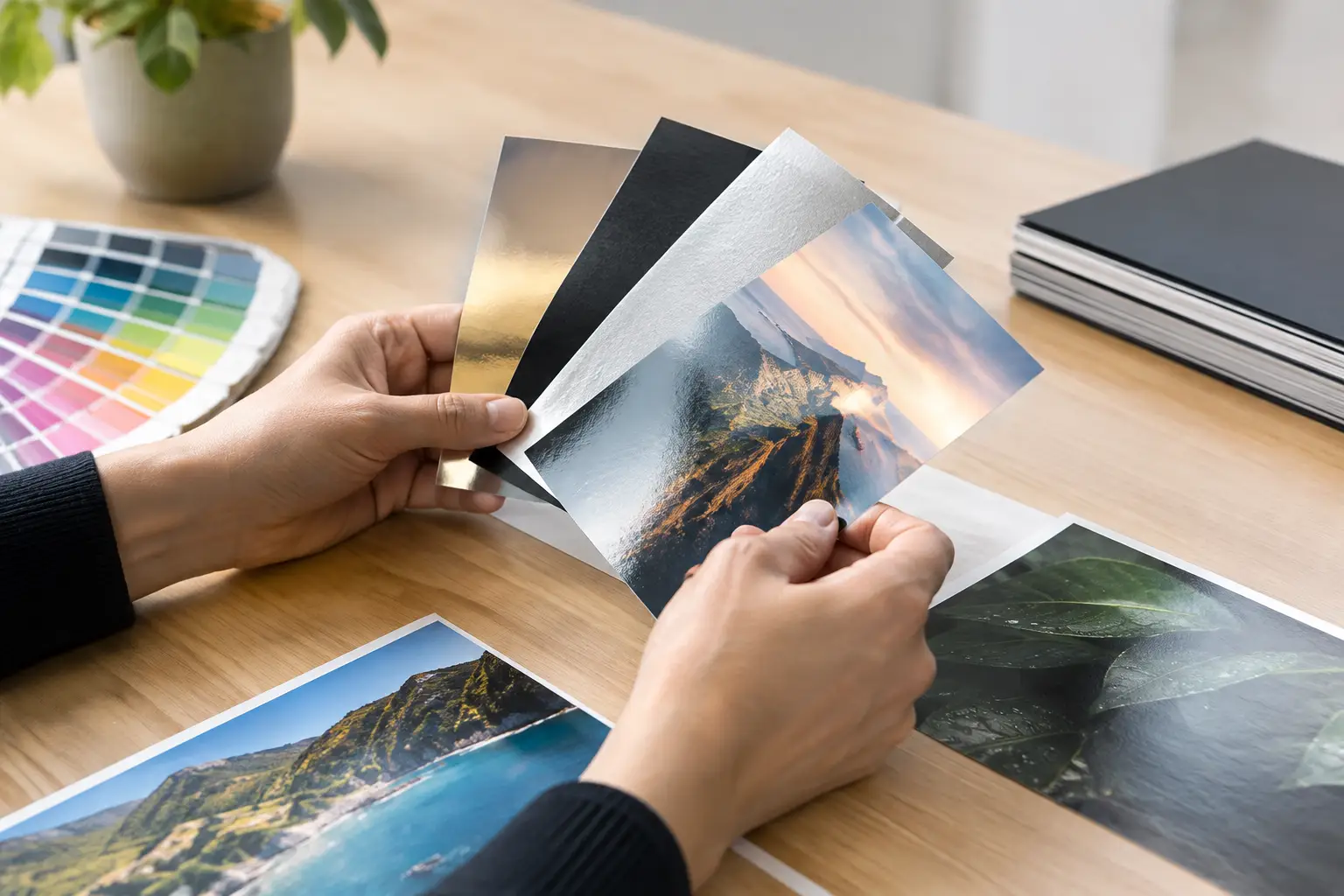
The best promotional merchandise does not work by itself. It works as part of a consistent brand system that includes your visual identity, printed materials, sales process, and follow-up. If your logo, colors, packaging, website, booth graphics, and leave-behind items all feel connected, your business looks more established. That matters when buyers are comparing vendors who may offer similar services.
What makes B2B promotional merchandise ideas work?
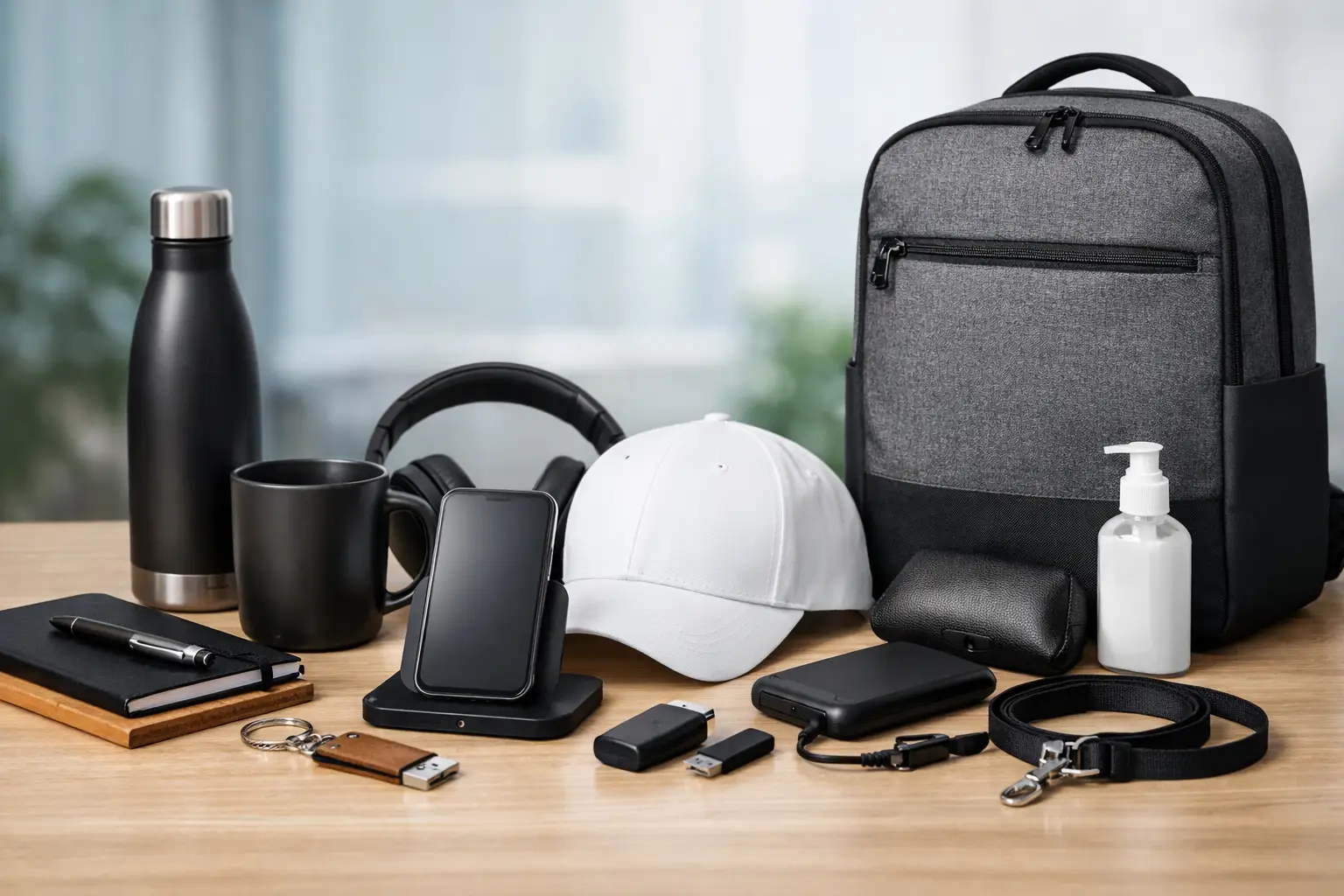
Good B2B merchandise starts with usefulness. If the item solves a small problem, keeps a workspace organized, travels well, or gets used during the workday, it has a better chance of sticking around. That gives your brand more repeated exposure than novelty products that end up in a drawer or the trash.
The second factor is audience fit. A real estate team, software company, lender, contractor, and medical supplier do not all need the same merchandise. The right item depends on who receives it, where they will use it, and what impression you need to create. A low-cost giveaway can make sense for event traffic, while a premium item may be better for top accounts or referral partners.
Presentation also matters more than many businesses expect. A simple branded notebook feels very different when it is handed out alone versus packaged with a business card, a one-page sell sheet, and a clean thank-you note. The merchandise may be the same, but the brand experience is not.
15 B2B promotional merchandise ideas that hold up in the real world
1. Premium pens
Pens are common because they work. The problem is that cheap pens reflect badly on your brand. If the ink skips or the barrel cracks, people notice. A better pen with a comfortable grip and clean imprint is still practical, but it feels more professional.
2. Branded notebooks
Notebooks remain one of the safest B2B choices because they fit meetings, conferences, training sessions, and daily office use. They also pair well with other materials, which makes them ideal for welcome kits, sales packets, and event handouts.
3. Tumblers and insulated drinkware
Drinkware gives you repeat visibility at desks, in vehicles, and during commutes. It also feels more substantial than many lower-cost giveaways. The trade-off is budget. Good drinkware costs more, so it is usually smarter for targeted campaigns than mass distribution.
4. Tote bags
A branded tote can carry trade show materials, paperwork, lunch, or daily work essentials. It is one of the easiest ways to turn a simple giveaway into something people actually use. For events, totes also help package multiple items into one polished handoff.
5. Tech organizers
Cord wraps, accessory pouches, and travel organizers are strong options for professionals who carry chargers, earbuds, and devices between home, office, and meetings. These products feel current without being flashy, and they fit a wide range of industries.
6. Wireless phone chargers
A desk charger can keep your logo in front of someone every day. It also positions your company as modern and practical. This is usually a better fit for client gifts, executive outreach, or high-value prospects than general event giveaways.
7. Webcam covers and privacy accessories
These are inexpensive, easy to mail, and relevant to office and remote work. They are especially effective for tech firms, security providers, financial services, and any company that wants to align its brand with professionalism and protection.
8. Desk pads or mouse pads
Desk accessories last. If your clients spend hours at a computer, a well-designed desk pad or mouse pad gives you long-term brand visibility in a place where they actually work. The design matters here. A cluttered layout cheapens the item quickly.
9. Branded apparel
Polos, quarter-zips, hats, and T-shirts can work well in B2B when the branding is tasteful. Internal teams, contractors, field staff, and event personnel benefit from apparel that looks coordinated and professional. For clients, subtle branding usually performs better than oversized logos.
10. Journals for onboarding kits
If your company sells ongoing services, onboarding is a strong moment for branded merchandise. A journal included in a new client package can reinforce that the relationship is organized and well managed from the start.
11. Calendars and planners
These are classic for a reason. A planner or desktop calendar can stay visible all year. They are especially useful for industries built around appointments, project timelines, or recurring touchpoints, such as lending, construction, insurance, and professional services.
12. Portable power banks
Power banks are useful, valued, and often kept for a long time. They also carry a higher price point, so they are best reserved for account-based marketing, client appreciation, and premium prospecting campaigns.
13. Branded mailer kits
Sometimes the best merchandise idea is not one item but a small package. A branded box with a notebook, pen, snack, and printed message can support sales outreach, event follow-up, or client re-engagement. This works especially well when your sales cycle is longer and relationships matter.
14. Reusable water bottles
These are practical and easy to distribute to employees, partners, and event attendees. The market is crowded, though, so the quality and design need to be right. A flimsy bottle will not help your brand.
15. Industry-specific tools
This is where many companies miss an opportunity. A contractor may benefit from branded tape measures. A property professional may use key tags or move-in kits. A lender might send closing gifts with useful household items. The closer the product is to the recipient’s day-to-day reality, the stronger the impact.
How to choose the right merchandise for your business
The best choice depends on the job the merchandise needs to do. If you need booth traffic, lower-cost items with broad appeal may make sense. If you want stronger follow-up after a sales meeting, fewer pieces with higher perceived value usually work better. If your goal is internal brand consistency, apparel and office kits may offer more value than event swag.
It also helps to think in tiers. One tier can support high-volume exposure, another can target active prospects, and a premium tier can be reserved for top clients and referral partners. This keeps your spending under control while making sure the right people receive the right level of investment.
Brand consistency should guide every decision. Colors, imprint style, messaging, packaging, and print materials should all match the rest of your marketing. A great promotional item can still underperform if it looks disconnected from your website, signage, or sales collateral. That inconsistency creates friction, and friction weakens trust.
Common mistakes with B2B promotional merchandise ideas
One of the biggest mistakes is choosing based on price alone. Saving a little on unit cost often leads to products that feel disposable. That may be fine for some event scenarios, but it is usually not fine when your brand needs to project credibility.
Another issue is overbranding. A promotional product should still feel usable. If the logo is too large, the colors are too aggressive, or the message takes over the design, people are less likely to keep it. The goal is visibility, not visual noise.
Businesses also run into trouble when they separate merchandise from the rest of their marketing. Promotional products tend to work best when they support a larger campaign, event, launch, or customer experience. On their own, they can feel random. Connected to a specific purpose, they become more valuable.
Make the merchandise support the message
A strong promotional product should reinforce how you want to be remembered. If your brand is polished and premium, the item should feel polished and premium. If your brand is practical and efficient, the item should be useful, straightforward, and easy to distribute. The product is not just a giveaway. It is a signal.
That is why many businesses benefit from working with a single partner who can coordinate design, print pieces, signage, packaging, apparel, and merchandise together. When those pieces are managed in one place, the result is usually cleaner, faster, and less prone to expensive mistakes. For companies that are tired of juggling multiple vendors, that alone can save time and headaches.
At Echo Brand Geeks, that kind of coordination is part of the value. The merchandise works better when it does not look like an afterthought.
If you are choosing between ten decent products, start with the one your audience will actually use next week, next month, and next quarter. Useful wins. Consistent wins. And when your brand shows up looking organized at every touchpoint, people remember it for the right reasons.