A faded, warped, or cracked sign does more than look rough. It can make a capable business appear less established before a customer ever walks through the door. Choosing the best sign materials for outdoor use protects your investment, keeps your message readable, and gives your brand the professional presence it deserves.
The right choice is not simply the material with the longest lifespan. Your sign has a job to do. A temporary jobsite sign, a storefront panel, a real estate rider, and a permanent monument sign all face different budgets, weather conditions, viewing distances, and installation requirements. Matching the material to the job helps reduce replacements, production mistakes, and unnecessary cost.
What Outdoor Sign Materials Need to Handle
Outdoor signs deal with far more than rain. Sun exposure can fade colors and weaken lower-grade plastics. Wind creates stress at mounting points. Heat and cold cause materials to expand and contract. In some locations, humidity, salt air, snow, and road debris create additional wear.
Start by considering how long the sign needs to perform, where it will be installed, and how close people will be when they read it. A roadside sign needs strong contrast and a rigid substrate. A banner for a weekend event needs portability and weather resistance, not a ten-year lifespan. Getting clear on those details before design and production saves headaches later.
Best Sign Materials for Outdoor Visibility and Durability
Aluminum: A dependable choice for long-term signs
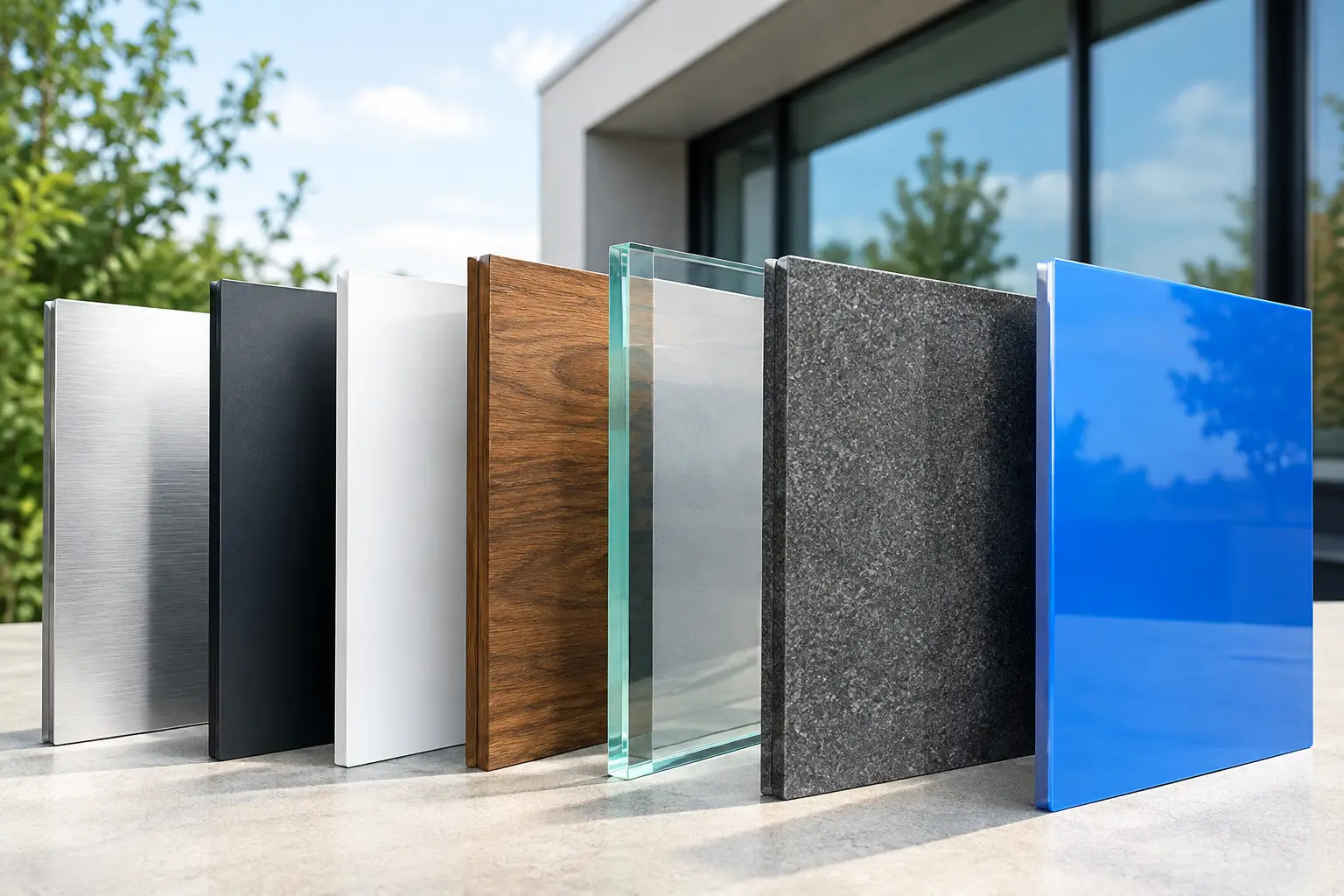
Aluminum is one of the most practical materials for permanent outdoor business signs. It is lightweight, resistant to rust, and capable of handling rain, heat, and cold without absorbing moisture. It works especially well for parking signs, property signs, directional signs, regulatory notices, and branded panels mounted to posts, walls, or fences.
Standard aluminum has a clean, professional appearance and holds printed graphics well when paired with the proper finish. Thicker aluminum options offer more rigidity for larger signs or areas with frequent wind. The trade-off is cost. Aluminum generally costs more than temporary plastic options, but its longer service life often makes it the smarter value for signs that need to stay in place for years.
Aluminum composite material: The polished business option
Aluminum composite material, often called ACM, consists of two thin aluminum sheets bonded around a solid core. It delivers a smooth, flat surface with excellent rigidity, making it a strong option for storefront signs, construction signs, commercial property signage, real estate signs, and branded wayfinding systems.
ACM gives printed graphics a refined appearance because the surface stays flat and resists warping better than many plastic substrates. It is also easier to work with than solid heavy-gauge metal for many installations. If your business needs a sign that looks premium, remains stable outdoors, and supports detailed branding, ACM is often an excellent fit.
The main consideration is installation. Larger ACM panels need secure mounting and thoughtful placement, particularly in high-wind locations. A great material still needs the right hardware to perform as intended.
Corrugated plastic: Smart for short-term campaigns
Corrugated plastic, commonly known as coroplast, is lightweight, affordable, and easy to install. Its fluted interior allows it to slide onto wire stakes, which makes it a familiar choice for yard signs, political campaigns, open houses, service promotions, event directions, and jobsite notices.
For short-term outdoor advertising, coroplast does its job well. It is water-resistant and quick to produce, so businesses can deploy a consistent message across several locations without stretching the budget. It is not the right choice for permanent signage, though. Extended sun exposure and wind can cause fading, bending, or cracking over time.
Use corrugated plastic when speed, quantity, and affordability matter most. For a seasonal promotion or a multi-location campaign, it is hard to beat.
PVC and acrylic: Better for protected outdoor areas
PVC sign board is a solid plastic material that provides a smooth print surface and a clean finished look. It can work well for outdoor signs in covered or moderately protected spaces, including patios, entryways, menu displays, and temporary retail messaging. It is more substantial than corrugated plastic but may not hold up as well as aluminum or ACM in extreme heat, direct sun, or harsh weather.
Acrylic creates an elevated, polished appearance and is often used for branded plaques, office entrances, donor displays, and signs beneath awnings. Clear, frosted, and colored acrylic can support a more custom look. However, acrylic can crack under impact and is not always the best choice for exposed roadside or high-wind environments.
Both materials can serve a purpose, but they are usually best when aesthetics and a somewhat sheltered installation matter more than all-weather endurance.
Vinyl banners: Flexible and effective for promotions
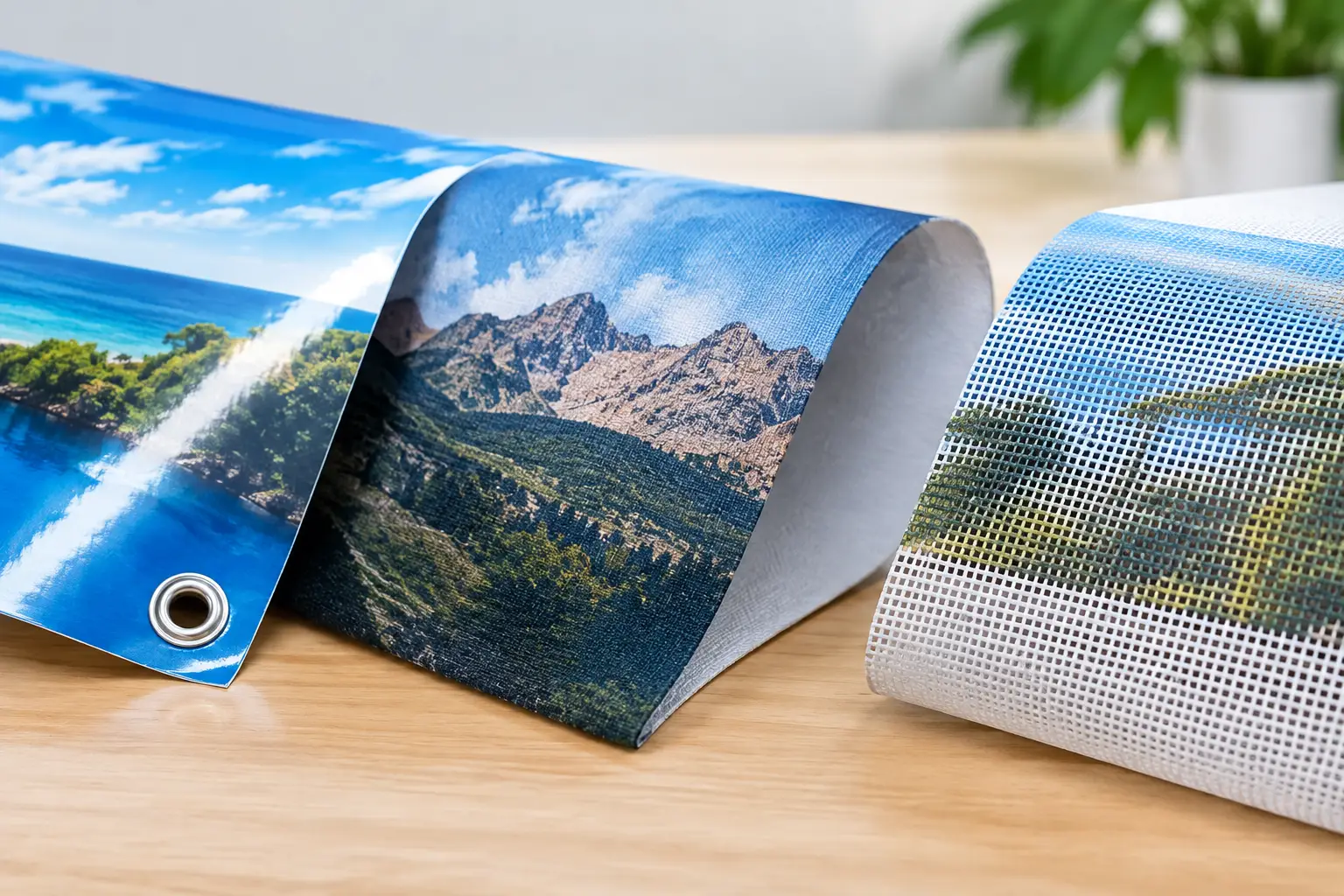
Vinyl banners remain a practical choice for grand openings, sales events, sponsorships, seasonal campaigns, and temporary announcements. They are portable, easy to store, and available in sizes that make them visible from a distance. A properly finished banner with reinforced hems and grommets can withstand normal outdoor conditions well.
Banner quality matters. Thin material and weak finishing can lead to torn corners, stretched grommets, and sagging graphics. Wind is the biggest concern, especially on large banners. Mesh vinyl can be a better option for fence banners or windy locations because its perforated surface allows air to pass through.
Banners work best when the message is focused. Use a large headline, a readable call to action, and contact information that can be understood quickly. Trying to fit every service, offer, and detail onto one banner weakens the result.
Adhesive vinyl: Essential for windows and surfaces
Outdoor-rated adhesive vinyl is not a rigid sign material, but it is an important part of many exterior branding projects. It can turn storefront windows, doors, vehicles, walls, and panels into high-visibility marketing space. Vinyl graphics are ideal for business hours, logos, promotions, privacy treatments, and short-term campaign messaging.
The material needs to match the surface and expected lifespan. Permanent vinyl is useful for long-term applications, while removable vinyl helps businesses update promotions without leaving excessive residue. Laminated graphics add another layer of protection against fading, scratches, and moisture.
Choose the Material Based on the Sign’s Job
The best outdoor sign material depends on what you need it to accomplish. For a permanent directional or property sign, aluminum or ACM is usually the strongest choice. For a polished storefront panel, ACM provides durability and a professional finish. For yard signs, open houses, and short-term local promotions, corrugated plastic keeps costs manageable. For events and temporary visibility, banners deliver size and flexibility.
It also helps to think beyond the panel itself. Ink quality, UV protection, laminate, mounting hardware, and installation all influence how long a sign looks good. A lower-cost material can become expensive if it has to be replaced repeatedly. On the other hand, paying for a permanent substrate for a two-week campaign may not be necessary.
A consistent brand system makes these decisions easier. Your logo colors, fonts, message hierarchy, and contact information should look connected whether they appear on a building sign, vehicle graphic, event banner, or yard sign. That consistency builds credibility and helps customers recognize your business faster.
Make Outdoor Signage Work Harder for Your Business
Before sending a sign to production, review where it will be seen, how it will be mounted, and how long it needs to last. Confirm that the most important message is readable at the intended distance. Make sure color choices create enough contrast, especially for drivers and passersby who only have a few seconds to notice your sign.
A hands-on design and production partner can help you avoid the common problems: choosing a material that cannot handle the environment, using text that is too small, or ordering a sign that does not fit its mounting location. Echo Brand Geeks helps businesses bring design, print, signage, and other brand materials together so the finished piece supports the larger picture.
The next time you order outdoor signage, do not choose a material by price alone. Choose the option that protects your message, fits the installation, and makes your business look ready for the next opportunity.